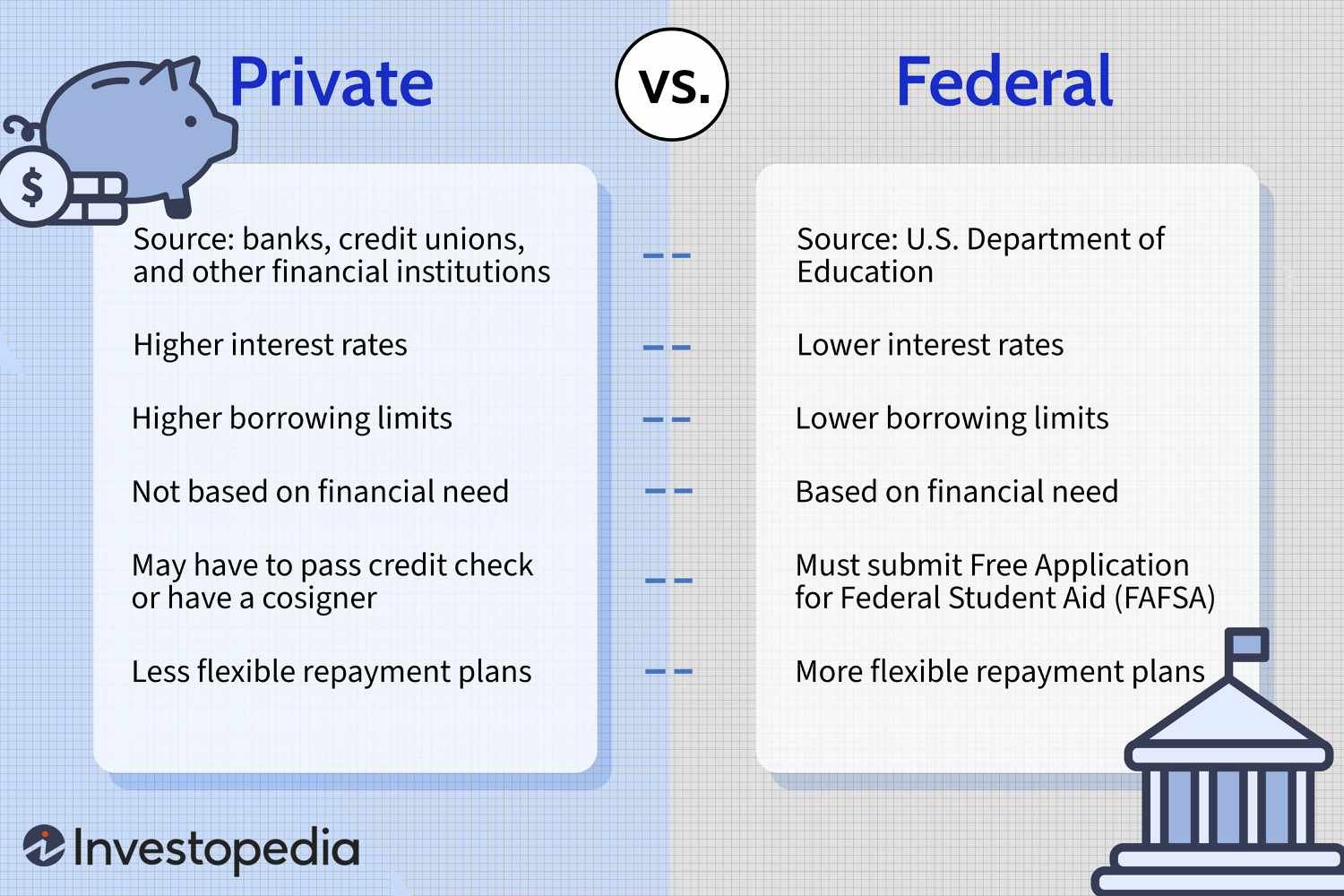
Personal loan repayment plans dictate how borrowers pay back borrowed funds. These plans vary in terms, rates, and payment schedules.
Navigating personal loan repayment plans is crucial for financial stability and credit health. Understanding the different options available can save borrowers from overwhelming debt and potential financial strain. Lenders typically offer structured repayment schedules that align with the borrower’s income patterns, ensuring manageable monthly payments.
Selecting the right repayment plan involves assessing personal financial situations, interest rates, and the loan’s purpose. With careful planning, borrowers can choose a strategy that minimizes interest costs and fits their budget, preventing missed payments and penalties. This introduction to personal loan repayment plans aims to equip you with the knowledge needed to make informed decisions, securing your financial future while fulfilling your loan obligations.
Introduction To Personal Loan Repayment
Understanding personal loan repayment is key to financial health. It is how you pay back borrowed money. A well-chosen plan fits your budget. It also avoids extra charges. Let’s break down the essentials of loan repayment. Know what it means for your finances.
The Basics Of Loan Repayment
Loan repayment involves returning borrowed funds. This happens over time. Interest adds to the total cost. Payments are usually monthly. They include both principal and interest. Early repayment can save on interest. Yet, some lenders charge for this. Always check the terms.
Importance Of Choosing The Right Plan
The right plan ensures manageable payments. It aligns with your income. It also considers your spending habits. A good plan limits stress. It aids in avoiding late fees. It also helps maintain a good credit score. This choice impacts your financial future.
| Repayment Plan Type | Features |
|---|---|
| Standard | Fixed payments over a set term |
| Graduated | Payments start low, then increase |
| Extended | Lower payments, longer term |
| Income-Driven | Based on earnings, flexible terms |
Types Of Repayment Plans
Choosing the right repayment plan is key to managing personal loans wisely. Let’s explore the different types of repayment plans available. Understanding these plans helps borrowers pick the best option for their financial situation.
Standard Repayment Plan
The Standard Repayment Plan involves fixed monthly payments. Borrowers pay off their loan within a set time frame, usually up to 10 years. This plan is straightforward and saves money on interest over time. It suits those who can manage consistent payments throughout their loan period.
Graduated Repayment Plan
Under the Graduated Repayment Plan, payments start low and increase over time. This plan is designed for borrowers who expect their income to rise. Initial lower payments help manage finances better early on. Payments typically increase every two years, allowing borrowers to adjust to higher amounts gradually.
Income-driven Repayment Plans
Income-Driven Repayment Plans adjust monthly payments based on the borrower’s income and family size. These plans aim to make loan repayment more manageable. Payments may change as income or family size changes. There are several types of income-driven plans, each with its own qualifications and terms. They are ideal for those with fluctuating or uncertain income.
- Payments reflect what borrowers can afford.
- Loan forgiveness possible after 20-25 years.
- Suitable for long-term financial planning.
Assessing Your Financial Situation
Before diving into repayment plans, it’s vital to assess your financial situation. This step sets the stage for a realistic and manageable repayment strategy.
Evaluating Your Income
Knowing your income is the first step to plan repayments. List all income sources. Include your salary, part-time jobs, and any side gigs. This total shows what you can afford to pay each month.
- Salary from full-time job
- Part-time job earnings
- Freelance or side business income
- Investment returns
- Other income sources
Understanding Your Debt-to-income Ratio
Your debt-to-income ratio (DTI) is key to loan approval. It shows how much of your income goes to debt. A lower DTI means a better chance to get loans with good terms.
| Monthly Debt Payments | Monthly Income | DTI Percentage |
|---|---|---|
| $ | $ | % |
To calculate DTI, divide total monthly debt by total gross monthly income. Then, multiply by 100 to get a percentage. Aim for a DTI below 36%.
The Impact Of Interest Rates
Understanding how interest rates impact personal loan repayments is crucial. These rates determine the total cost of your loan. Let’s explore the intricacies of interest rates.
How Interest Rates Affect Repayment
Interest rates directly influence your monthly payments. A higher rate means a higher monthly cost. Over time, this can add significantly to the loan’s total expense. It’s vital to consider the rate when choosing a loan.
Fixed Vs. Variable Interest Rates
Fixed interest rates remain constant throughout the loan term. This predictability ensures your payment amount stays the same. You can plan your budget with certainty.
On the other hand, variable interest rates can fluctuate. They often start lower than fixed rates. Yet, they can rise, increasing your payment amount unexpectedly. This could affect your financial stability.
| Rate Type | Pros | Cons |
|---|---|---|
| Fixed | Budget certainty | Higher initial rates |
| Variable | Lower starting rates | Potential rate increase |
Before deciding, weigh the risks and benefits. Your choice will shape your financial journey. A fixed rate brings peace of mind. A variable rate could save money upfront but poses a risk later. Choose wisely to ensure manageable repayments.
Strategies For Faster Repayment
Paying off a personal loan faster can save money. Here are strategies for faster repayment.
Making Extra Payments
One easy way to pay off loans faster is by making extra payments. Even small amounts help. Think about using any extra cash like bonuses or tax refunds. This reduces the loan balance faster. Less balance means less interest.
- Pay more than the minimum each month.
- Use extra money to make additional payments.
Refinancing Your Loan
Refinancing means getting a new loan with better terms. Look for loans with lower interest rates. A lower rate can reduce monthly payments and total interest paid. Always compare offers to find the best deal.
| Before Refinancing | After Refinancing |
|---|---|
| Higher interest rate | Lower interest rate |
| More interest over time | Less interest over time |
Loan Consolidation Options
Combining multiple loans into one is called loan consolidation. This can lead to lower interest rates and simpler payments. It’s a smart move if you have many loans with high rates. Be sure to choose a consolidation option that offers favorable terms.
- Check your current loan rates and terms.
- Find a consolidation loan with a lower rate.
- Apply for the consolidation loan.
- Use the new loan to pay off other loans.

Credit: m.youtube.com
Balancing Repayment With Financial Goals
Personal loan repayment requires a strategic approach.
It must align with your broader financial goals.
Effectively managing loan repayments can lead to financial freedom.
Saving While Repaying Debt
It’s vital to balance debt reduction with savings growth.
- Assess your budget for potential savings.
- Allocate funds to savings, even as you pay down loans.
- Consider automatic transfers to savings accounts.
Emergency funds are critical while paying off debt.
| Percentage of Income | Debt Repayment | Savings |
|---|---|---|
| 50% | 30% | 20% |
This table shows a simple budget division.
Prioritizing Financial Objectives
Identify your top financial goals.
Create a list and rank each goal.
- Debt repayment
- Retirement savings
- Education funds
Debt repayment often comes first.
Yet, balance is key for long-term financial health.
Dealing With Financial Hardship
Financial challenges can strike anyone. Job loss, medical emergencies, or unexpected expenses can make loan repayments tough. Understanding your options helps manage these hardships effectively. Let’s explore some strategies to handle loan repayment when money is tight.
Loan Forbearance And Deferment
Loan forbearance or deferment can offer relief. These options temporarily reduce or pause your loan payments. Lenders may require proof of financial hardship. It’s crucial to understand the terms, as interest might still accrue. Below are key points on each:
- Loan Forbearance: Lenders allow a pause or reduction in payments for a set period.
- Interest Accrual: Interest may continue to accumulate during forbearance.
- Repayment Extension: The loan term might extend, resulting in more interest over time.
Deferment is similar but often applies to specific loans like student loans. In some cases, the government may pay the interest.
Seeking Professional Financial Advice
Professional advisors can guide through tough financial times. They analyze your situation and suggest the best course of action. Options they might propose:
- Reviewing your budget for possible savings.
- Consolidating loans to lower overall interest rates.
- Negotiating with lenders for better repayment terms.
Seeking advice early is key. It prevents debt from spiraling out of control. Always check the advisor’s credentials to ensure you’re getting expert advice.
:max_bytes(150000):strip_icc()/personalfinance_definition_final_0915-Final-977bed881e134785b4e75338d86dd463.jpg)
Credit: www.investopedia.com
Avoiding Common Repayment Mistakes
Personal loan repayment requires careful planning. Mistakes can lead to financial strain. This section helps borrowers steer clear of common pitfalls. Learn to navigate loan repayment confidently.
Neglecting Loan Terms
Understanding your loan terms is crucial. It’s the first step to successful repayment. Many borrowers sign loan agreements without grasping the details. This oversight can cause trouble down the road.
Key aspects to consider include:
- Interest rates: Know how much extra you pay.
- Repayment period: Shorter terms mean higher monthly payments.
- Fees: Late payment fees add up quickly.
Review your loan agreement. Highlight important points. It helps avoid surprises during your repayment journey.
Ignoring Assistance Programs
Many lenders offer assistance programs for borrowers facing hardship. Ignoring these options can result in missed payments. Missed payments can hurt your credit score.
Options to explore include:
| Program Type | Benefit |
|---|---|
| Deferment | Pause payments without penalties |
| Forbearance | Reduce payments temporarily |
| Modification | Change loan terms to lower payments |
Reach out to your lender. Discuss your situation. They may offer a solution that suits your needs.
Conclusion: Smart Repayment For Financial Freedom
Managing personal loan repayments can lead to financial wellness. Smart repayment plans help borrowers stay in control. They ensure loans don’t become financial burdens. Choosing the right strategy is key to achieving financial freedom.
Recap Of Key Strategies
Bold moves in loan repayment can save money and time. Let’s recap strategies that make a difference:
- Extra Payments: Pay more than the minimum to reduce principal faster.
- Refinancing: Secure lower interest rates through a new loan agreement.
- Loan Consolidation: Combine multiple loans into one for simpler management.
- Bi-weekly Payments: Split monthly payments in two to lessen interest over time.
The Path Forward
Choosing a repayment plan is a step towards financial goals. It’s about picking the best fit for your budget. A solid plan aligns with your income and expenses. It also reflects your long-term financial vision. Commit to a plan and enjoy the journey to financial freedom.
| Strategy | Benefit |
|---|---|
| Extra Payments | Less interest, quicker payoff |
| Refinancing | Lower rates, more savings |
| Consolidation | One loan, less stress |
| Bi-weekly | Less interest, consistent payments |
Remember, early planning is wise. Always keep an eye on your budget. Adjust your plan as needed. This ensures you stay on track for financial success. Start now and take control of your future.

Credit: www.extension.iastate.edu
Frequently Asked Questions
What Is A Personal Loan Repayment Plan?
A personal loan repayment plan is a schedule that outlines how a borrower will pay back a loan. It details the amount, frequency, and duration of payments, ensuring the loan is repaid within a specified time frame.
How Do Different Repayment Plans Affect Interest?
Different repayment plans affect interest by altering the loan’s term. Shorter terms usually result in less interest paid overall, while longer terms might lower monthly payments but increase the total interest.
Can Repayment Plans Be Changed?
Yes, repayment plans can often be changed after discussing with the lender. Borrowers might switch to a plan that better fits their financial situation, potentially incurring additional fees or altering interest rates.
What Happens If I Miss A Loan Payment?
Missing a loan payment can lead to late fees, a drop in your credit score, and potentially defaulting on the loan. It’s vital to contact your lender immediately to discuss options if you anticipate missing a payment.
Conclusion
Choosing the right personal loan repayment plan is key to managing your finances effectively. It’s essential to consider your budget and financial goals before deciding. Remember, the right plan can save you money and reduce stress over time. Research thoroughly, and don’t hesitate to seek professional advice for a tailored strategy that suits your needs.