Are you curious about how money works in a system that follows Islamic principles? Understanding Islamic finance can open up a new way of thinking about money, investments, and ethical business.
It’s not just about avoiding interest or certain activities—it’s about creating fairness and balance in your financial dealings. If you want to learn how Islamic finance can affect your money choices and why it matters, keep reading. This guide will break it down clearly and simply, so you can see how it might fit into your life.

Credit: www.researchgate.net
Principles Of Islamic Finance
Islamic finance operates under a unique set of rules known as the Islamic Banking Principles. These principles guide all financial activities to ensure they comply with Shariah law. The Islamic Economic System focuses on fairness, justice, and social welfare. It promotes interest-free financing and encourages investments that benefit society. The core of Islamic finance lies in its principles, which shape products like Sukuk Bonds and practices such as Profit And Loss Sharing. Understanding these principles helps explain how Islamic finance differs from conventional banking.
Prohibition Of Interest
One of the most important Islamic banking principles is the prohibition of interest, known as riba. Earning or paying interest is not allowed in Shariah-compliant finance. This rule ensures that money itself cannot generate more money without effort or risk.
Why interest is prohibited:
- Interest leads to unfair gains without sharing risks.
- It can cause exploitation and social inequality.
- Contradicts the idea of profit coming from real economic activity.
Instead of interest-based loans, Islamic finance uses Profit And Loss Sharing models. These include contracts like Mudarabah and Musharakah, where profits and losses are shared between partners. This approach promotes fairness and cooperation.
| Conventional Finance | Islamic Finance |
|---|---|
| Interest-based loans | Profit and loss sharing contracts |
| Fixed returns regardless of project success | Returns depend on actual profits or losses |
| Risk mostly on borrower | Risk shared between lender and borrower |
This principle encourages ethical banking and supports a stable financial system by removing the risks associated with interest.
Risk Sharing
Risk sharing is a key concept in Islamic finance. It means all parties involved in a financial transaction share the risks and rewards. This principle creates a more balanced and just financial relationship.
How risk sharing works:
- Investors provide capital.
- Entrepreneurs use capital for projects.
- Profits and losses are divided based on agreed terms.
This method contrasts sharply with conventional finance, where lenders expect fixed interest regardless of project outcome. Islamic financial instruments promote Risk Management In Islamic Finance by aligning interests of all parties.
Common risk-sharing contracts include:
- Mudarabah – a partnership where one party provides funds, the other manages the project.
- Musharakah – a joint venture where all partners contribute capital and share profits and losses.
Risk sharing encourages transparency and accountability. It supports economic growth by funding productive activities with real risk and reward. This principle also reduces speculation and promotes financial stability.
Ethical Investments
Islamic finance requires investments to be ethical and socially responsible. This principle ensures money supports good causes and avoids harm. Investments must follow Islamic rules, known as Halal Investments.
Key features of ethical investments:
- No involvement in businesses related to alcohol, gambling, or tobacco.
- Supporting projects that benefit society, such as healthcare, education, and infrastructure.
- Ensuring transparency and fairness in all transactions.
Islamic financial instruments, such as Sukuk Bonds, are designed to fund projects that comply with these ethical standards. Islamic finance promotes Ethical Banking by avoiding investments that cause harm or exploit others.
Ethical investments strengthen social justice and encourage sustainable development. This focus makes Islamic finance attractive to people seeking responsible ways to grow their wealth.
Credit: gfmag.com
Key Islamic Finance Instruments
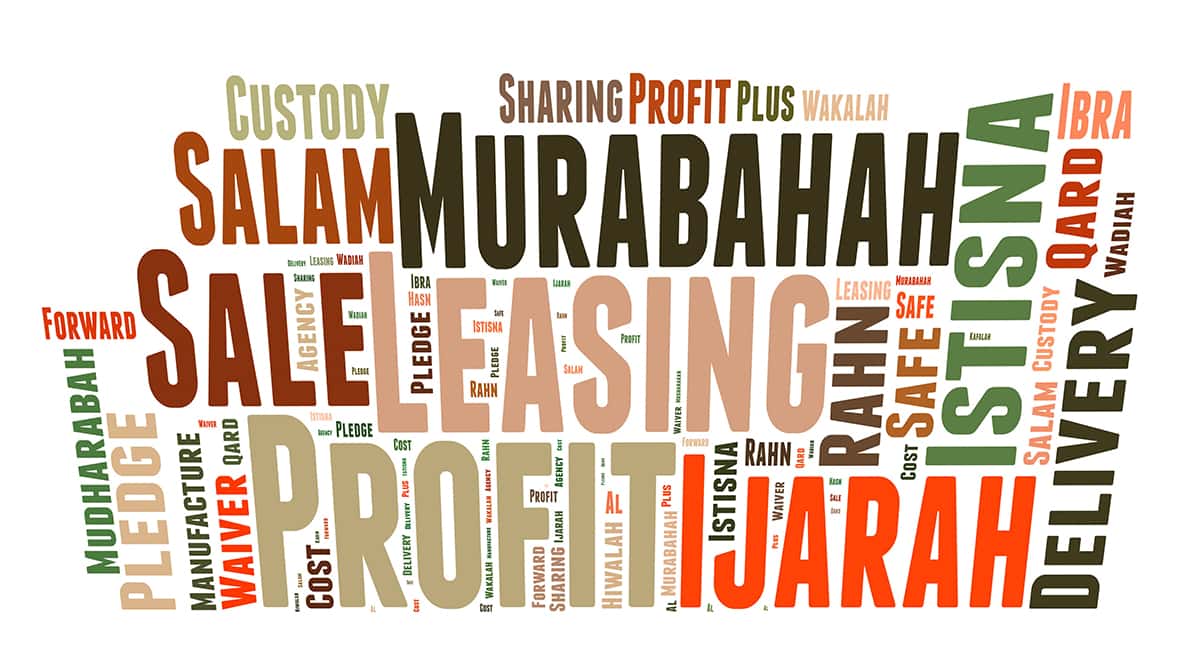
Key Islamic Finance Instruments form the foundation of Shariah-compliant finance. These instruments follow Islamic rules, avoiding interest and promoting ethical finance. They support profit and loss sharing, risk sharing, and asset-backed securities. Each instrument serves a unique role in Islamic banking and helps create halal investments. Understanding these tools clarifies how Islamic finance differs from conventional finance.
Murabaha
Murabaha is a common Islamic financial instrument used for buying and selling goods. It means cost-plus financing. The seller discloses the cost and adds a known profit margin. This contract avoids interest by making the profit fixed and transparent.
How Murabaha works:
- The bank buys an asset for the customer.
- The bank sells the asset to the customer at a higher price.
- The customer pays the bank in installments or a lump sum.
This method fits interest-free loans rules. It is widely used in Islamic banking for home, car, and equipment financing.
| Feature | Description |
|---|---|
| Type | Cost-plus sale contract |
| Profit | Fixed and known in advance |
| Risk | Mostly on the seller (bank) |
| Use | Asset purchase financing |
Murabaha promotes transparency and fairness in transactions. It is a practical tool for Shariah-compliant finance.
Mudarabah
Mudarabah is a partnership contract based on profit and loss sharing. One party provides capital while the other manages the project. Profits are shared according to a pre-agreed ratio. Losses are borne by the capital provider only, unless caused by negligence.
This instrument suits Islamic banking and investments that require active management.
- Rabb-ul-Mal: Capital provider
- Mudarib: Manager or entrepreneur
- Profit sharing ratio agreed upfront
- Losses absorbed by capital provider
Mudarabah encourages risk sharing and ethical business practices. It supports halal investments by ensuring no fixed interest is charged. This contract is common in Islamic funds and business ventures.
| Aspect | Details |
|---|---|
| Capital | Provided by Rabb-ul-Mal |
| Management | Handled by Mudarib |
| Profit | Shared per agreement |
| Loss | Absorbed by capital provider |
Ijara
Ijara is an Islamic lease agreement. It allows one party to rent an asset from another for a fixed period. The asset remains the property of the lessor. The lessee pays rent for using the asset.
This contract aligns with Islamic financial instruments by avoiding interest and supporting ethical finance. It is useful for leasing equipment, vehicles, or real estate.
- Asset ownership stays with lessor
- Lessee pays rent, not interest
- Lease period and rent fixed upfront
- Assets must be halal and lawful
Ijara offers flexibility and risk sharing. The lessor bears risks of ownership like maintenance and insurance.
| Feature | Description |
|---|---|
| Ownership | Retained by lessor |
| Payment | Fixed rent by lessee |
| Risk | Owned by lessor |
| Use | Leasing of assets |
Sukuk
Sukuk are Islamic asset-backed securities. They represent ownership in tangible assets or projects. Sukuk holders earn returns from the asset’s profits, not interest.
These instruments comply with Shariah rules by avoiding fixed interest and promoting risk sharing. Governments and companies issue sukuk to raise funds.
Key points about Sukuk:
- Backed by real assets or projects
- Returns based on asset performance
- Structured to avoid interest payments
- Traded like conventional bonds
Sukuk expand Islamic banking options for investors seeking halal investments. They support infrastructure, development, and business growth.
| Aspect | Description |
|---|---|
| Type | Asset-backed securities |
| Return | Profit-sharing, not interest |
| Risk | Shared by sukuk holders |
| Purpose | Fundraising for projects |
Islamic Banking Vs Conventional Banking
Islamic Banking vs Conventional Banking explores two distinct systems of managing money and finance. Islamic banking operates under Islamic Financial Principles, which follow the Riba Prohibition—a ban on interest—and promote fairness and ethical dealings. Conventional banking focuses mainly on profit through interest and fees. The key differences affect how customers save, invest, and borrow money. Islamic banking uses tools like the Mudarabah Contract and Murabaha Financing to ensure all transactions are Shariah-Compliant Finance. This section explains the main contrasts in three areas: profit and loss sharing, asset-backed financing, and social responsibility.
Profit And Loss Sharing
In Islamic banking, profit and loss sharing is a core concept. Banks and customers share the risks and rewards together. The Mudarabah Contract is a common method, where one party provides capital and the other manages the business. Profits are split according to an agreed ratio. Losses, however, are borne by the capital provider unless caused by negligence.
This system encourages transparency and partnership, unlike conventional banks that earn fixed interest regardless of business success. It aligns the bank’s interests with those of the client, reducing unfair gains.
- Islamic banking: Shares profits and losses, promotes fairness.
- Conventional banking: Earns fixed interest, risk mostly on the borrower.
| Aspect | Islamic Banking | Conventional Banking |
|---|---|---|
| Risk Sharing | Profit and loss shared equally | Borrower bears most risk |
| Income | Profit-based | Interest-based |
| Contract Type | Mudarabah Contract | Loan agreements with interest |
Asset-backed Financing
Islamic banking requires financing to be backed by real assets. This means money is linked to tangible items or services. Murabaha Financing is a common tool where the bank buys an asset and sells it to the customer at a markup. This avoids lending money with interest and keeps transactions Shariah-Compliant.
In contrast, conventional banking often lends money without backing by physical assets. This can lead to speculation and higher risks. Islamic banks also issue Sukuk Bonds, which represent ownership in assets rather than debt. This makes investments more secure and ethical.
- Asset-backed means real things support the finance.
- Islamic banks avoid interest, focusing on trade and ownership.
- Conventional banks lend money based on credit and interest rates.
| Feature | Islamic Banking | Conventional Banking |
|---|---|---|
| Financing Type | Asset-backed (e.g., Murabaha Financing) | Loan-based with interest |
| Investment Instruments | Sukuk Bonds (asset ownership) | Conventional bonds (debt) |
| Risk Level | Linked to asset value | Based on borrower credit |
Social Responsibility
Islamic banking emphasizes Ethical Banking and social justice. Banks follow Zakat Obligations, which require giving a portion of wealth to charity. This supports the poor and needy, promoting community welfare.
Halal Investing avoids businesses involved in harmful activities like alcohol, gambling, or tobacco. Islamic banks also offer Takaful Insurance, a cooperative system where members share risks and benefits fairly.
Conventional banks focus mainly on profit and may not have strict ethical rules. Islamic finance aims to balance profit with social good and moral values.
- Islamic banks support social welfare through Zakat Obligations.
- Investments avoid harmful industries (Halal Investing).
- Takaful Insurance promotes cooperation over competition.
| Aspect | Islamic Banking | Conventional Banking |
|---|---|---|
| Ethical Focus | Strong, with Shariah guidelines | Limited, profit-driven |
| Charity | Zakat Obligations | Voluntary donations |
| Insurance | Takaful (cooperative) | Conventional insurance |
Growth Of Islamic Finance Worldwide
Islamic finance has grown rapidly across the world over recent decades. This financial system follows Shariah principles, emphasizing ethical banking, profit and loss sharing, and avoidance of interest (riba). It offers an alternative to conventional finance by promoting risk-sharing finance and halal investments. The rise of Islamic banking and Islamic financial institutions reflects increasing demand for finance that respects religious values. Growth is visible not only in Muslim-majority countries but also in global financial centers. Understanding this growth involves looking at market expansion, regulatory frameworks, and the challenges and opportunities faced by the industry.
Market Expansion
The global Islamic finance market has expanded significantly in the last 20 years. It now covers multiple sectors including banking, capital markets, and insurance (Takaful). The growth is driven by rising awareness of Shariah-compliant finance and the demand for ethical finance solutions.
- Islamic banking assets have increased steadily, with billions of dollars in deposits and financing worldwide.
- Sukuk bonds have become a popular tool for raising capital in both Muslim and non-Muslim countries.
- Many conventional banks have introduced Islamic financial products to attract new customers.
Here is a simple comparison of Islamic finance market size in 2023:
| Region | Islamic Finance Market Size (USD Billion) | Growth Rate (Annual %) |
|---|---|---|
| Middle East & North Africa | 900 | 8.5% |
| Asia-Pacific | 750 | 10.2% |
| Europe | 120 | 6.0% |
| Others | 60 | 5.5% |
This expansion shows the increasing trust in Islamic capital markets and financial products. New markets are emerging, including Africa and Southeast Asia. The rise of digital finance also supports growth in Islamic financial institutions.
Regulatory Frameworks
Regulation plays a key role in the growth of Islamic finance. Countries and financial centers have developed specific Islamic finance regulations to support this sector. These rules ensure compliance with Shariah and protect investors and customers.
Key features of Islamic finance regulations include:
- Clear guidelines on profit and loss sharing contracts and permissible financial activities.
- Supervision by Shariah boards to ensure products are Shariah-compliant.
- Risk management rules that follow risk-sharing finance principles.
- Disclosure requirements to increase transparency and trust.
Below is an overview of regulatory bodies that influence Islamic finance:
| Region | Key Regulatory Body | Role |
|---|---|---|
| GCC (Gulf Cooperation Council) | AAOIFI (Accounting and Auditing Organization for Islamic Financial Institutions) | Sets accounting and Shariah standards |
| Malaysia | Bank Negara Malaysia | Regulates Islamic banking and capital markets |
| UK | Financial Conduct Authority (FCA) | Oversees Islamic finance activities |
Strong regulatory frameworks help build confidence among investors and customers. They encourage innovation while keeping the system stable and fair.
Challenges And Opportunities
The Islamic finance industry faces several challenges but also many opportunities. Understanding both is vital for its future growth.
Challenges include:
- Lack of awareness and understanding among non-Muslim populations.
- Complexity in structuring profit and loss sharing products.
- Limited availability of Shariah-compliant investment options.
- Differences in interpretation of Shariah rules across regions.
- Competition with conventional financial institutions.
Opportunities lie in:
- Expanding Islamic capital markets through new sukuk bonds and equity products.
- Growing demand for ethical and risk-sharing finance globally.
- Use of technology to improve access to Islamic financial institutions.
- Developing new markets in Africa, Europe, and Asia.
- Collaboration between Islamic and conventional banks to offer hybrid solutions.
Islamic finance holds promise as an ethical alternative in global finance. It promotes fairness, transparency, and social justice through its principles. The path forward requires overcoming challenges and seizing opportunities with thoughtful strategies.
Role Of Shariah Boards
The Role of Shariah Boards is central in ensuring Islamic Finance stays true to its core values. These boards are groups of Islamic scholars and experts who guide financial institutions on Islamic Economic Principles. Their work helps companies offer products like Halal Investment and Sukuk Bonds that follow Islamic Banking Principles strictly. Shariah Boards ensure all financial activities avoid interest (riba) and promote Ethical Finance. They review products to confirm they fit within the rules of Shariah-Compliant Finance, focusing on fairness and justice in transactions. This role protects investors and customers who want to follow Islamic law in their financial dealings.
Compliance And Governance
Shariah Boards play a key role in Compliance and Governance within Islamic finance institutions. They create clear rules to make sure all products and services follow Islamic laws. This includes overseeing Islamic Financial Instruments and ensuring they do not involve interest or unethical activities.
Their responsibilities include:
- Approving contracts and financial products like Sukuk Bonds and Interest-Free Loans
- Monitoring daily operations to maintain Shariah-Compliant Finance
- Training staff on Islamic Banking Principles and ethical standards
- Reporting to the board and regulators about compliance status
Good governance from Shariah Boards builds trust with investors and customers. It also protects the institution from legal risks related to non-compliance. The table below summarizes key governance roles:
| Area | Role of Shariah Boards |
|---|---|
| Product Approval | Review and approve all Islamic finance products |
| Operations Monitoring | Ensure daily activities follow Shariah rules |
| Training | Educate employees on Islamic economic principles |
| Reporting | Provide compliance reports to stakeholders |
Fatwas And Advisory
Shariah Boards issue Fatwas which are formal rulings on Islamic finance matters. These fatwas guide financial institutions on complex questions about Risk-Sharing Finance and other Islamic products. The boards act as Shariah Advisory Boards, offering expert advice to keep all practices aligned with Islamic law.
Fatwas cover topics such as:
- Permissibility of new financial products
- Contracts involving Halal Investment and profit-sharing
- Compliance with Islamic Banking Principles in changing markets
- Clarifications on Interest-Free Loans and ethical finance rules
The advisory role helps banks and investors avoid mistakes that break Shariah rules. It also supports innovation by allowing new Islamic financial solutions that meet religious standards. Without these fatwas, institutions risk offering products that may not be acceptable to Muslim customers. Shariah Boards ensure transparency and confidence in Islamic finance through their detailed guidance.

Credit: blogs.worldbank.org
Frequently Asked Questions
What Is Islamic Finance In Simple Terms?
Islamic finance is a financial system based on Sharia law. It prohibits interest and promotes profit-sharing. It emphasizes ethical investing and risk-sharing. Islamic finance supports social justice and economic fairness. It offers alternatives like mudarabah and murabaha contracts.
How Does Islamic Finance Differ From Conventional Finance?
Islamic finance bans interest (riba) and speculative activities. It focuses on asset-backed financing and profit-loss sharing. Conventional finance often involves interest and high-risk speculation. Islamic finance promotes ethical investments and social welfare. It ensures transactions comply with Islamic ethical principles.
What Are Key Principles Of Islamic Finance?
Key principles include prohibition of interest, risk-sharing, asset-backed financing, and ethical investing. Transparency and fairness are essential. Islamic finance forbids investments in harmful industries like alcohol or gambling. It encourages social justice and economic stability through responsible financial practices.
Why Is Profit-sharing Important In Islamic Finance?
Profit-sharing aligns interests of investors and entrepreneurs. It promotes risk-sharing and discourages exploitation. This principle ensures fairness and ethical responsibility. It replaces fixed interest with shared business outcomes. Profit-sharing supports economic development and social equity.
Conclusion
Islamic finance offers a different way to handle money. It follows clear rules based on fairness and honesty. This system avoids interest and focuses on shared risks. Many people find it suits their values and needs. It helps build trust between banks and customers.
Islamic finance grows steadily in many countries today. Understanding its basics can help you make better choices. Simple, fair, and ethical—that is what Islamic finance means.