Are you curious about how an Islamic mortgage works and whether it could be the right choice for your home financing needs? Unlike conventional loans that rely on interest, Islamic mortgages follow unique principles that align with Shariah law, offering a different path to homeownership.
You’ll discover exactly what makes Islamic mortgages stand apart, how they operate, and what you need to know before deciding if this option fits your financial goals. Keep reading to unlock clear answers and practical insights that can help you make an informed choice for your future home.

Credit: www.youtube.com
Basics Of Islamic Mortgages
Islamic mortgages offer a unique way to finance a home. They follow Islamic law, which sets clear rules about money and fairness. These mortgages avoid interest and focus on shared responsibility. Understanding their basics helps buyers make informed choices.
These loans use principles that differ from conventional mortgages. They create partnerships between the buyer and the lender. This approach aims to be just and ethical for all parties.
Prohibition Of Interest
Islamic law strictly forbids charging or paying interest. Interest, called “riba,” is seen as unfair and exploitative. This rule shapes how Islamic mortgages work. Instead of interest, lenders earn profit through other means. This ensures the transaction stays halal, or permissible.
Shariah Compliance
Shariah compliance means following Islamic legal and ethical guidelines. Islamic mortgages must align with these rules at every step. Banks and lenders work with Shariah boards to check compliance. This keeps the financing free from forbidden elements like uncertainty or gambling.
Key Principles
Islamic mortgages rely on key principles such as profit-sharing and asset-backed financing. One common method is “Murabaha,” where the bank buys the home and sells it to the buyer at a set profit. Another is “Musharakah,” where both parties share ownership and risks. These principles promote fairness and cooperation.

Credit: www.youtube.com
Types Of Islamic Mortgages
Islamic mortgages follow specific rules to avoid interest, which is forbidden in Islam. These mortgages use different models that comply with Sharia law. Each model has unique features and ways to help buyers own homes.
Understanding the types of Islamic mortgages helps buyers choose the best option. The two main models are Murabaha and Musharakah. Both provide halal ways to finance a home.
Murabaha Model
The Murabaha model is a cost-plus-profit arrangement. The bank buys the property and sells it to the buyer. The buyer pays the bank back in fixed installments over time.
There is no interest charged in this model. The profit margin is agreed upon upfront. Payments remain the same throughout the term, giving clarity and ease to the buyer.
This model is simple and commonly used in many Islamic finance markets. It suits buyers who want fixed monthly payments without surprises.
Musharakah Model
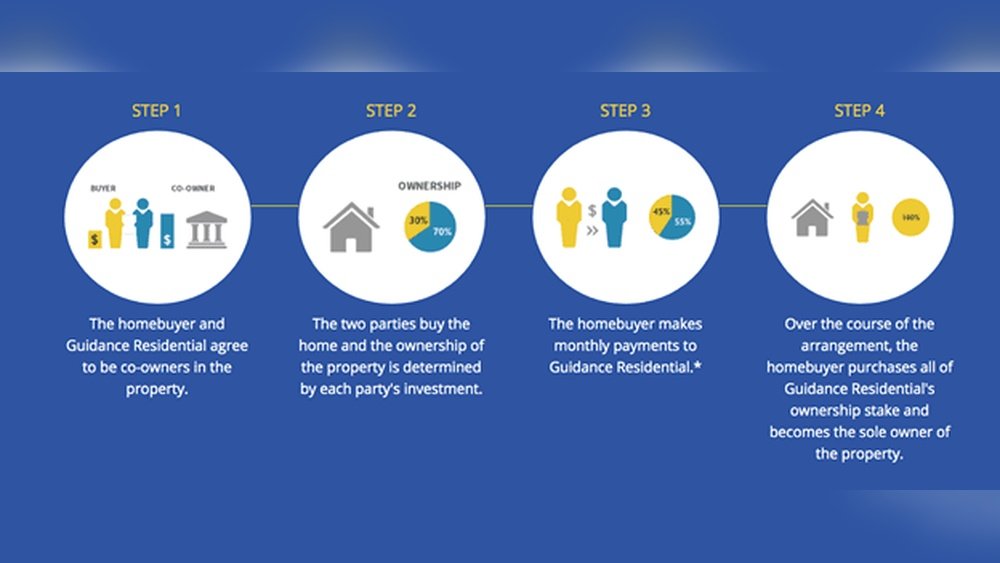
The Musharakah model is a partnership between the bank and the buyer. Both parties share ownership of the property. Over time, the buyer buys the bank’s share until full ownership is achieved.
Monthly payments include rent for the bank’s share and a payment to buy more equity. Payments can change as ownership shifts. This model aligns both parties’ interests closely.
This model encourages joint investment and risk-sharing. It suits buyers who prefer a partnership approach over fixed payments.
Comparison Between Models
Murabaha offers fixed payments and clear costs. Musharakah involves shared ownership and variable payments. Murabaha is easier to understand for most buyers.
Musharakah may be more flexible but can be complex. Buyers share risks and rewards with the bank in Musharakah. Murabaha protects buyers from market changes during the payment term.
Choosing depends on personal preference, financial situation, and risk tolerance. Both models provide Sharia-compliant ways to finance a home.
How Islamic Mortgages Work
Islamic mortgages follow specific rules that comply with Islamic law. They avoid charging or paying interest, which is not allowed in Islam. Instead, they use different methods to help you buy a home while respecting these rules.
Two common Islamic mortgage types are Murabaha and Musharakah. Each method works differently but aims to be fair and transparent. Understanding how these processes work helps you make the right choice for your home financing.
Murabaha Process Explained
Murabaha means cost-plus financing. The bank buys the home first. Then, it sells the home to you with a fixed profit added. You pay this price back in regular installments. The profit is agreed on from the start, so no interest is charged.
This method is simple and clear. You know exactly how much you will pay. The bank does not charge extra fees based on time or interest rates. This keeps the process Shariah-compliant and fair.
Musharakah Partnership Details
Musharakah means partnership. You and the bank both buy the home together. You each own a share of the property. Over time, you buy the bank’s share step by step. This process is called “diminishing partnership.”
As you buy more shares, your ownership grows. The bank’s share decreases until you own the home fully. You pay rent to the bank for its share during this period. This rent replaces interest and is agreed beforehand.
Ownership Transfer
Ownership transfer in Islamic mortgages depends on the financing method. In Murabaha, ownership transfers to you after the bank sells the home. You make payments but own the home legally from the start.
In Musharakah, ownership transfers gradually. You gain more ownership as you buy the bank’s share. Full ownership is yours only after all shares are bought. This method reflects true partnership and shared risk.
Both ways respect Islamic principles and offer clear legal ownership. This protects your rights and avoids interest-based transactions.
Benefits Of Islamic Mortgages
Islamic mortgages offer unique benefits that appeal to many homebuyers. They follow principles that avoid interest, promoting fairness and justice. These mortgages provide a clear and ethical way to finance a home. Many people find comfort in knowing their financing aligns with their values. Below are key benefits that make Islamic mortgages stand out.
Ethical Financing
Islamic mortgages follow strict ethical rules. They avoid interest, which is forbidden in Islam. Instead, banks share ownership or use profit-sharing methods. This ensures fairness for both buyer and lender. The process respects religious beliefs and promotes honesty. Ethical financing builds trust and peace of mind for homeowners.
Risk Sharing
Risk sharing is a core feature of Islamic mortgages. Both the lender and buyer share the risks of property ownership. This creates a partnership rather than a simple loan. If the property value changes, both parties feel the impact. This approach reduces unfair burden on the buyer. It encourages responsible investing and cooperation.
Fixed Fees Structure
Islamic mortgages use fixed fees instead of variable interest rates. This means payments remain stable over time. Buyers can budget easily without worrying about rising costs. Fixed fees provide transparency and predictability. Homeowners avoid surprises and can plan their finances better. This structure helps maintain financial security throughout the loan period.
Challenges And Drawbacks
Islamic mortgages offer an alternative to conventional home financing. They follow Islamic law, which forbids interest payments. Still, these mortgages come with some challenges and drawbacks. Understanding these issues helps buyers make informed decisions.
Legal Ownership Issues
In Islamic mortgages, the lender often holds partial ownership of the property. This differs from conventional loans, where the borrower owns the house outright. The shared ownership can complicate resale or transfer of the property. It may also affect the buyer’s control over the home until the mortgage ends.
Higher Costs And Fees
Islamic mortgages tend to have higher costs than traditional loans. Shariah-compliant financing requires extra steps and legal work. These increase administration fees and overall expenses. Buyers should prepare for these higher charges when choosing this option.
Limited Market Options
Islamic mortgages are less common than conventional ones. Fewer lenders offer Shariah-compliant financing. This limits the choices for buyers and reduces competition. It can be harder to find suitable mortgage products or competitive rates.
Islamic Vs Conventional Mortgages
Islamic and conventional mortgages differ in their structure and principles. Understanding these differences helps homebuyers choose the right option. Islamic mortgages follow Shariah law, which forbids interest, while conventional mortgages rely on interest payments. This distinction affects how each mortgage works and the costs involved.
Interest Vs Profit
Conventional mortgages charge interest on the loan amount. Interest increases the total repayment over time. Islamic mortgages do not charge interest. Instead, they use profit earned from selling or renting the property. The profit rate replaces the interest rate. This approach complies with Islamic law.
Asset Backing
Islamic mortgages require the property to back the loan. The lender usually buys the property first and then sells it to the buyer. This process ensures the loan is tied to a real asset. Conventional mortgages do not always require asset backing. The loan is based on trust and creditworthiness.
Risk Distribution
Risk sharing is key in Islamic mortgages. The lender and buyer share ownership and risks. If property value changes, both parties feel the impact. Conventional mortgages place most risks on the borrower. The lender receives fixed interest regardless of market changes.
Practical Tips For Buyers
Buying a home with an Islamic mortgage requires careful planning. Practical tips help buyers navigate the unique aspects of these loans. Understanding key points ensures a smooth process and compliance with Islamic principles.
Choosing The Right Model
Islamic mortgages use different models such as Murabaha and Musharakah. Murabaha involves the bank buying the property and selling it to you with a fixed profit. Musharakah means you and the bank share ownership and profits.
Select a model that suits your financial situation and long-term goals. Each model has benefits and drawbacks. Assess how each affects monthly payments and ownership before deciding.
Understanding Contract Terms
Contracts in Islamic mortgages contain specific terms to avoid interest. Read every detail carefully. Know how profit rates are calculated and what fees apply.
Ask for clear explanations of payment schedules and ownership shares. Make sure the contract follows Shariah rules and protects your rights. Avoid agreements with unclear or unfair conditions.
Working With Shariah Advisors
Shariah advisors ensure mortgage agreements comply with Islamic law. Consult an advisor early in the process. They review contracts and explain religious implications.
Advisors help avoid mistakes that could make the mortgage non-compliant. Their guidance builds confidence that your home financing meets Islamic ethics. Choose advisors with recognized expertise and trustworthiness.
Islamic Mortgages In Austin, Texas
Islamic mortgages in Austin, Texas, offer a home financing option that aligns with Islamic law. These mortgages avoid interest, which is forbidden in Islam. Instead, they use profit-sharing or cost-plus models to structure deals. Austin’s growing Muslim community has sparked interest in these ethical financing solutions.
Availability And Providers
Austin has several providers offering Islamic mortgages. Local banks and credit unions sometimes partner with national Islamic lenders. Many providers use models like Murabaha or Musharakah to comply with Shariah law. Availability is increasing, but options remain limited compared to conventional loans.
Local Regulations
Austin follows Texas state laws, which allow Islamic mortgage structures. These laws support alternative financing models without charging interest. Lenders must follow federal and state rules for property financing. Compliance ensures Islamic mortgages are legally sound and protect buyers and lenders.
Community Insights
The Muslim community in Austin values Islamic mortgages for ethical reasons. Many find these loans align with personal beliefs and financial goals. Community groups often share resources and advice about Islamic home financing. This support helps new buyers navigate the process with confidence.
:max_bytes(150000):strip_icc()/islamicbanking.asp-FINAL-a44177c529d24b97a0a4e857d65253cf.png)
Credit: www.investopedia.com
Frequently Asked Questions
What Is The Difference Between An Islamic Mortgage And A Conventional Mortgage?
An Islamic mortgage avoids interest by using profit-sharing or cost-plus models. Conventional mortgages charge interest on loans. Islamic lenders hold partial property ownership initially, while conventional lenders do not. This complies with Sharia law, forbidding interest, making Islamic mortgages distinct in structure and payment methods.
What Are The Disadvantages Of Islamic Mortgage?
Islamic mortgages often involve shared property ownership with the lender, which can complicate resale. They may have higher fees and fewer options than conventional loans. Profit rates can exceed traditional interest, making them potentially more expensive. These factors limit flexibility and increase overall costs for buyers.
Do Muslims Get 0% Interest?
Muslims avoid paying or receiving interest (riba) due to Islamic law. They use Sharia-compliant financing instead. Islamic mortgages use profit-sharing or fixed-price models, not interest. These methods comply with religious rules while enabling home ownership without charging traditional interest.
Is An Islamic Mortgage More Expensive?
Islamic mortgages can be more expensive due to higher administration fees and limited market options. They use profit-based models, not interest.
Conclusion
Islamic mortgages offer a clear alternative to traditional loans. They follow rules that avoid interest, aligning with Islamic law. This means the bank shares ownership or sells the home with profit instead of charging interest. While these mortgages might cost more, they provide a way to buy a home ethically.
Understanding these options helps you make informed choices. Knowing how Islamic mortgages work can guide your path to homeownership.