Are you curious about how Islamic banking is shaping Indonesia’s financial landscape? Whether you’re a business owner, investor, or simply someone interested in ethical finance, understanding Islamic banking in Indonesia can open new doors for your financial decisions.
This unique banking system follows principles that align with Islamic law, offering alternatives to conventional banking. But what makes Islamic banking in Indonesia stand out, and how can it benefit you? Keep reading to discover how this growing sector operates, the key players involved, and why it might be the right choice for your financial future.
Islamic Banking Landscape
Islamic banking in Indonesia has grown steadily over the past decade. It offers financial services based on Sharia principles. These services avoid interest and focus on profit-sharing and ethical investments.
The landscape of Islamic banking reflects Indonesia’s large Muslim population. Demand for Sharia-compliant financial products continues to rise. The government supports this growth through regulations and incentives.
Key Players And Market Leaders
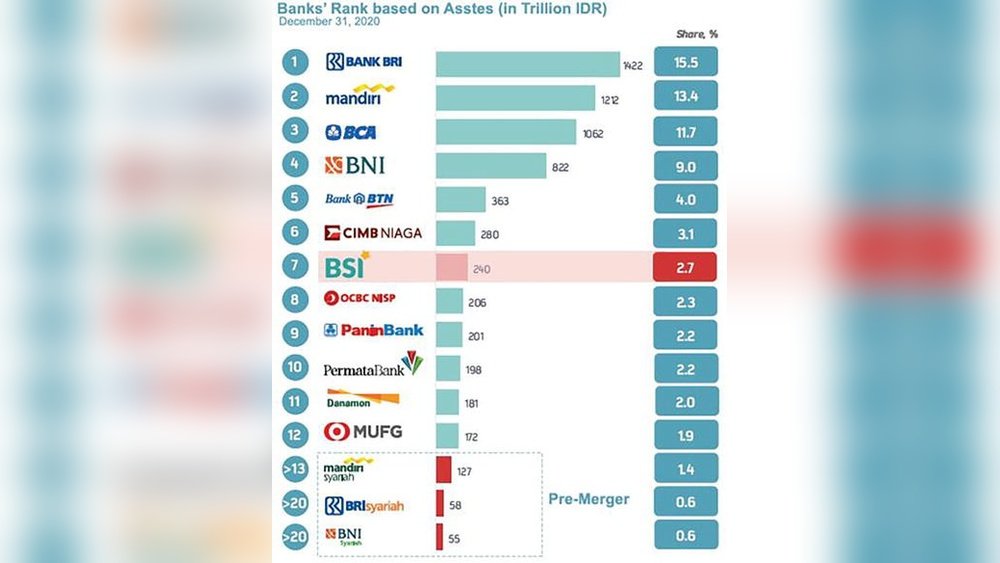
Bank Syariah Indonesia (BSI) stands as the largest Islamic bank in the country. It was formed by merging several state-owned Islamic banks. BSI serves millions of customers across urban and rural areas.
Other notable players include Mandiri Syariah, BNI Syariah, and Muamalat Bank. These banks offer diverse products like savings, financing, and investment accounts. Many local banks also provide Islamic banking windows.
Growth Trends And Statistics
Islamic banking assets in Indonesia have increased by over 15% annually. The sector now holds about 6% of the total national banking assets. Customer numbers are rising as awareness of Sharia finance grows.
The government aims to increase Islamic banking’s market share to 15% by 2025. Digital banking and fintech solutions help reach younger customers. This shift supports faster and more convenient services.
Regulatory Framework
The regulatory framework is vital for the growth of Islamic banking in Indonesia. It ensures that all activities comply with both national laws and Sharia principles. Clear rules create trust among customers and investors. The government and financial authorities play a key role in shaping this environment.
Role Of Ojk And Government Policies
The Financial Services Authority, known as OJK, supervises Islamic banks. It sets rules to protect consumers and ensure financial stability. OJK works closely with the government to promote Islamic finance. Policies encourage the development of Sharia-compliant products and services. This support helps Islamic banks compete with conventional banks.
Roadmap For Islamic Banking Development
The government has a clear roadmap for Islamic banking. It outlines steps to expand the market share and improve service quality. The plan focuses on increasing public awareness and education about Islamic finance. It also promotes innovation in financial technology for Sharia banking. Strong regulation and support aim to make Indonesia a global hub for Islamic finance.
Sharia Compliance In Finance
Sharia compliance in finance ensures that banking activities follow Islamic law. It prohibits interest (riba), uncertainty (gharar), and investing in harmful industries. Islamic banking promotes fairness, transparency, and ethical investments. This approach builds trust among customers seeking faith-based financial services.
Principles Of Islamic Banking
Islamic banking operates on key principles derived from the Quran and Sunnah. It forbids charging or paying interest. Instead, profit-sharing and joint ventures are encouraged. Banks must avoid speculation and gambling. All contracts should be clear and free from deception. Investments must support socially responsible projects.
Implementation In Indonesian Context
Indonesia is the largest Muslim-majority country, making Islamic banking vital. The government supports Sharia finance through regulations and institutions. Bank Syariah Indonesia leads the market with compliant products. Local banks offer mudarabah, murabaha, and ijarah contracts. The system respects both national law and Islamic principles. Education and awareness efforts help customers understand Sharia banking benefits.
Financial Inclusion Impact
Islamic banking in Indonesia plays a key role in improving financial inclusion. It offers financial services to people often ignored by conventional banks. This inclusion helps reduce poverty and supports economic growth. Islamic banks follow Sharia principles, which appeal to many Indonesians. Their approach builds trust and encourages more people to join the financial system.
Access For Underserved Communities
Islamic banks reach many underserved communities in Indonesia. Rural areas and low-income groups often lack access to traditional banks. Islamic banking uses profit-sharing and interest-free models. These models suit people who avoid interest-based loans for religious reasons. Branches and mobile services bring banking closer to remote regions. This access allows more people to save money and get financing.
Microfinance And Small Business Support
Microfinance is a strong focus of Islamic banking in Indonesia. Small businesses get capital through Sharia-compliant loans. These loans help entrepreneurs grow without heavy interest costs. Islamic banks often provide training and support alongside funding. This support boosts local economies and creates jobs. Small businesses thrive, improving the livelihood of many families.
Challenges And Opportunities
Islamic banking in Indonesia faces several challenges and opportunities that shape its growth. The sector must navigate a competitive market and increase public awareness. At the same time, advances in technology offer new ways to serve customers better. These factors influence how Islamic banking adapts and thrives in Indonesia.
Market Competition And Awareness
The Islamic banking sector in Indonesia competes with conventional banks. Many people still prefer traditional banking services. Limited understanding of Islamic finance principles slows customer growth. Banks need to educate the public about Sharia-compliant products. Clear communication builds trust and attracts more clients. Competition pushes banks to improve service quality and product variety. This challenge also creates chances to reach underserved markets.
Technological Innovations And Digital Banking
Technology changes how banks interact with customers. Islamic banks in Indonesia invest in digital platforms and mobile apps. Digital banking offers convenience and faster transactions. It helps reach remote areas where physical branches are scarce. Innovations like blockchain and AI improve transparency and security. These tools support Sharia compliance and customer confidence. Digital growth opens new opportunities for Islamic banking expansion.

Credit: www.aa.com.tr
Regional Variations
Islamic banking in Indonesia shows clear differences across its many regions. These variations reflect local customs and legal frameworks. Understanding these regional differences helps explain how Islamic finance adapts in diverse settings.
Aceh’s Unique Sharia Law Application
Aceh stands out as the only province applying full Sharia law. It uses a dual legal system combining national laws with Islamic criminal codes. This unique setup impacts Islamic banking rules and practices directly.
Sharia law in Aceh governs many aspects of life, including finance and trade. Banks here follow stricter Islamic principles than in other provinces. The law applies only to Muslims, with non-Muslims facing lighter administrative penalties.
Differences Across Indonesian Provinces
Outside Aceh, Islamic banking follows national regulations with some local influences. Provinces vary in how they enforce Islamic finance laws and promote Sharia-compliant products. Some areas encourage Islamic banking through incentives or local policies.
These differences create a patchwork of Islamic banking environments. Customers may find more or fewer Sharia options depending on their province. This regional diversity shapes the growth and reach of Islamic finance across Indonesia.
Future Prospects
The future of Islamic banking in Indonesia shows strong potential. Growth in this sector reflects growing awareness and demand for Sharia-compliant financial services. The government’s support and a rising Muslim population fuel this progress.
New technologies and innovative products will shape the market. Islamic banking will play a bigger role in Indonesia’s economy. Cooperation with various industries is set to increase.
Synergy Within Islamic Economy Ecosystem
Islamic banking works closely with other Islamic sectors. Halal food, Islamic tourism, and Islamic finance form a strong ecosystem. This connection helps businesses share resources and customers.
Such synergy boosts economic growth and creates new job opportunities. It strengthens the trust and acceptance of Islamic financial products. The ecosystem’s growth encourages more investments in Islamic banking.
Expansion Strategies And Global Integration
Indonesia’s Islamic banks are expanding beyond local markets. They seek partnerships with international Islamic banks and investors. This approach increases access to global markets and knowledge.
Cross-border cooperation improves product diversity and service quality. It also helps meet international standards and regulations. Global integration raises Indonesia’s profile in the Islamic finance world.

Credit: www.researchgate.net

Credit: www.researchgate.net
Frequently Asked Questions
Which Is The Best Islamic Bank In Indonesia?
Bank Syariah Indonesia (BSI) is the best Islamic bank in Indonesia. It offers comprehensive Sharia-compliant financial services nationwide.
How Tolerant Is Islam In Indonesia?
Islam in Indonesia embraces diversity and promotes religious tolerance. The constitution protects freedom of worship, recognizing six official religions. Aceh province uniquely enforces Sharia law, while other regions practice Islam more moderately. Overall, Indonesia balances Islamic values with pluralism and secular governance.
Does Sharia Law Exist In Indonesia?
Yes, Sharia law exists only in Aceh province, applying Islamic criminal law alongside national law. Other regions follow secular law.
What Is The Roadmap For Islamic Banking Development In Indonesia?
Indonesia’s Islamic banking roadmap focuses on expanding Sharia-compliant products, enhancing regulations, improving digital services, and increasing financial inclusion nationwide.
Conclusion
Islamic banking in Indonesia grows steadily, offering ethical finance options. It respects Islamic principles while supporting economic development. Many people choose these banks for fairness and trust. The system adapts to local culture and laws, especially in Aceh. This blend creates a unique banking experience in Indonesia.
As demand rises, Islamic banking may shape the country’s financial future. Understanding its role helps individuals and businesses make wise choices. The sector’s continued growth shows strong potential ahead.