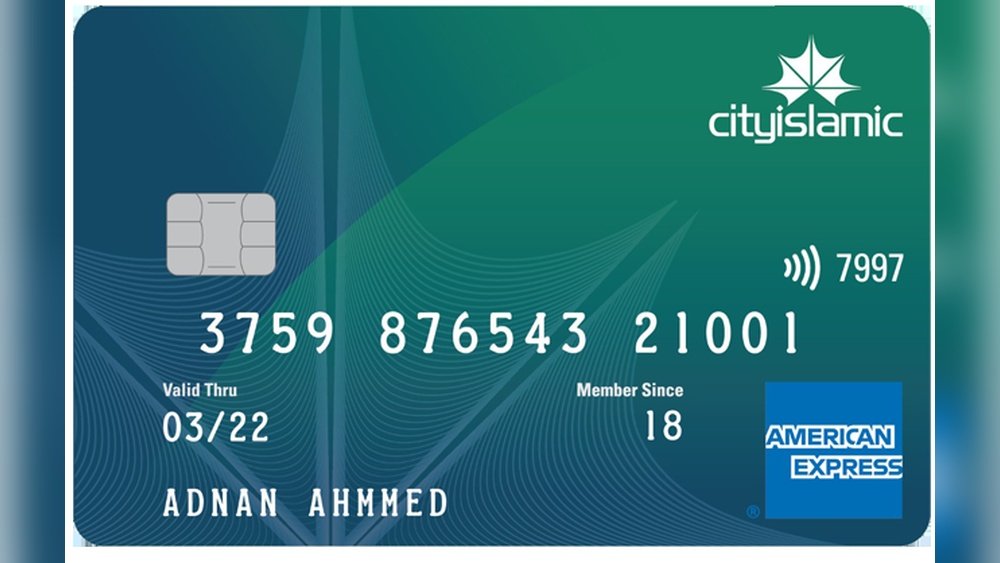
Are you looking for a credit card that fits your values and keeps you financially smart? An Islamic credit card might be exactly what you need.
Unlike regular credit cards, these cards follow Shariah law, which means no interest charges and no hidden fees that go against your beliefs. But how do they work? Can they help you build your credit score? And what benefits can you expect?
If you want to enjoy the convenience of a credit card without compromising your principles, keep reading. This guide will answer your questions and help you find the right Islamic credit card for your lifestyle.

Credit: islamic.thecitybank.com
What Makes Islamic Credit Cards Different
Islamic credit cards follow different rules than regular credit cards. They are designed to follow Islamic law, called Shariah. This law prohibits earning or paying interest. Islamic credit cards use special contracts to make sure all transactions are fair and lawful. This makes them a good choice for Muslims who want to use credit cards without breaking their beliefs.
The differences affect how the card works, what fees apply, and how payments are handled. Understanding these can help you see why Islamic credit cards are unique and how they fit into modern banking.
Shariah Compliance And Interest-free Features
Islamic credit cards must follow Shariah rules strictly. They do not charge interest on outstanding balances. Instead, the cards may have fixed fees or service charges. These fees cover the bank’s costs without involving interest.
All transactions must avoid uncertainty and unfair gain. This means the cardholder and bank agree on terms upfront. The goal is to promote fairness and honesty in financial dealings.
Common Contracts Like Murabaha
Many Islamic credit cards use Murabaha contracts. Murabaha means cost-plus financing. The bank buys an item and sells it to the cardholder at a fixed profit. This allows credit without charging interest.
The cardholder repays the bank in agreed installments. This contract is clear and avoids hidden charges. It aligns with Islamic principles by focusing on trade and profit rather than interest.
Comparison With Conventional Cards
Conventional cards charge interest on unpaid balances. Islamic cards do not. Instead, Islamic cards use fixed fees or profit rates. This makes costs predictable and transparent.
Conventional cards may allow cash advances with interest. Islamic cards often restrict these or apply different rules. The main difference is that Islamic cards avoid any interest-based transactions.
Islamic credit cards also require Shariah board approval. This ensures all features meet Islamic law. Conventional cards do not have such oversight.
Key Benefits Of Islamic Credit Cards
Islamic credit cards offer unique advantages for those who want to follow their faith in financial matters. These cards comply with Islamic law, avoiding interest and promoting ethical use. They provide practical benefits without compromising religious principles. Here are some key benefits of Islamic credit cards that make them a smart choice for many users.
Avoiding Interest Charges
Islamic credit cards do not charge interest, known as riba in Islam. This feature helps users avoid paying extra fees on outstanding balances. Instead, these cards use Shariah-compliant contracts to manage payments. Cardholders can use credit without worrying about forbidden interest charges. This makes financial management easier and more aligned with religious beliefs.
Ethical Spending And Investment
These cards promote spending on halal products and services. Banks offering Islamic credit cards screen transactions to ensure they follow Islamic ethics. Users avoid funding businesses involved in alcohol, gambling, or other prohibited activities. This helps maintain ethical spending habits and supports responsible business practices. It encourages users to make mindful financial choices.
Access To Rewards And Cashback
Islamic credit cards offer rewards programs similar to conventional cards. Users can earn cashback, points, or discounts on everyday purchases. These benefits come without compromising Shariah principles. Cardholders enjoy perks while staying true to their faith. Rewards make daily spending more rewarding and help save money over time.
Building Credit Responsibly
Islamic credit cards help users build a positive credit history. Responsible use shows lenders a good repayment record. This can improve credit scores and access to future financing. The focus is on managing credit without debt accumulation. Users learn to spend within limits and pay balances on time. This builds financial discipline and stability.
How To Choose The Right Islamic Credit Card
Choosing the right Islamic credit card requires careful thought. The card must follow Islamic principles and fit your financial needs. It is vital to understand what each card offers and how it matches your lifestyle. This guide helps you pick an Islamic credit card that is both useful and compliant.
Evaluating Fees And Charges
Look closely at all fees and charges. Some cards may have annual fees or service charges. Check if there are any hidden costs. An Islamic credit card should avoid interest fees. Make sure the fees are clear and fair before applying.
Understanding Card Features
Know the features each card provides. Some cards offer cashback or rewards on purchases. Others might give travel benefits or discounts on shopping. Choose a card with features that suit your daily spending. The right features can add value without breaking Islamic rules.
Checking Shariah Board Approval
Verify that the card is approved by a Shariah board. This means scholars have reviewed and confirmed the card follows Islamic law. Shariah compliance is important to avoid interest and unethical practices. Always ask for proof of this approval before selecting a card.
Matching Card To Spending Habits
Think about your spending habits before choosing. If you spend more on groceries, pick a card that rewards those purchases. For frequent travelers, a card with travel perks works best. Matching your card to your habits helps you get the most benefits.

Credit: www.maybank.com
Popular Islamic Credit Cards Worldwide
Islamic credit cards provide Shariah-compliant financial solutions worldwide. These cards avoid interest and follow Islamic finance principles. Many banks offer diverse Islamic credit card options to meet customer needs. Popular Islamic credit cards span various regions, each with unique features and benefits.
These cards allow Muslims to manage expenses while adhering to their faith. They support daily spending, travel, and lifestyle without compromising Islamic rules. The global availability of these cards continues to grow, reflecting demand and awareness.
Options In The Uae And Middle East
The UAE leads in offering Islamic credit cards through major banks. ADCB, Dubai Islamic Bank, and Emirates Islamic provide popular cards. These cards feature no interest charges and follow Murabaha contracts. Customers enjoy rewards, cashback, and travel perks. The Middle East also has growing options in Saudi Arabia, Qatar, and Bahrain. Each bank ensures cards comply with Shariah principles and local regulations.
Availability In The United States
Islamic credit cards in the US are emerging but still limited. Some banks partner with Islamic finance experts to create compliant cards. These cards avoid interest and late fees by using alternative fee structures. American Muslim communities show rising interest in Shariah-compliant financial products. Financial institutions continue to explore ways to serve this niche market. Cardholders in the US can find options mainly through specialized Islamic banks or credit unions.
Cards For Travel And Lifestyle Benefits
Islamic credit cards also cater to travelers and lifestyle needs. Many offer travel insurance, airport lounge access, and reward points. These benefits align with Shariah rules, avoiding interest and gambling elements. Cardholders gain convenience and perks similar to conventional cards. Some cards focus on halal spending, including dining and shopping rewards. This niche helps Muslims enjoy modern benefits without compromising their values.
Managing Your Islamic Credit Card Wisely
Managing your Islamic credit card wisely ensures you stay within Shariah guidelines. It helps avoid extra fees and maintain strong finances. Smart use of your card builds trust with banks and improves your credit rating.
Good management also supports your financial goals and prevents debt problems. Understanding key practices can make your card a helpful financial tool.
Paying Balances On Time
Always pay your full balance before the due date. This avoids any form of interest or late fees. Paying on time keeps your account in good standing and reflects your responsibility. Set reminders or automatic payments to help meet deadlines.
Avoiding Hidden Interest
Islamic credit cards avoid interest but watch for hidden fees. Check your statements regularly for unexpected charges. Understand the terms of your card contract to spot any non-Shariah fees. Contact your bank if you find unclear or unfair charges.
Monitoring Credit Scores
Track your credit score to see how your card use affects it. A good score helps you access better financial products. Use your card responsibly by not maxing out your limit and paying on time. Many banks offer free credit score updates for customers.
Using Cards For Financial Growth
Use your Islamic credit card to build a positive financial history. Pay expenses like bills and groceries to earn rewards or cashback. Avoid unnecessary spending to keep your budget balanced. Smart use of your card can open doors to future loans or investments.

Credit: sharlife.my
Frequently Asked Questions
Is There Any Islamic Credit Card?
Yes, Islamic credit cards exist and comply with Shariah law by avoiding interest. They use profit-sharing or fixed fees instead of interest charges. Many Islamic banks offer such cards with rewards and benefits tailored to Islamic principles.
Can You Get A Credit Card In Islam?
Muslims can get credit cards if they avoid interest by paying balances in full. Shariah-compliant cards follow Islamic finance principles. These cards use contracts like Murabaha to ensure no interest is charged. Always choose cards that align with Islamic law to remain compliant.
Do Muslims Get 0% Interest?
Muslims avoid paying or receiving interest, following Shariah law. Islamic finance uses profit-sharing or fee-based models instead of interest.
What Is The Difference Between Islamic Credit Card And Normal Credit Card?
Islamic credit cards follow Shariah law, avoiding interest and using profit-sharing or fixed fees. Normal cards charge interest on balances. Islamic cards promote ethical spending and comply with Islamic finance principles, while normal cards operate under conventional banking rules.
Conclusion
Choosing an Islamic credit card supports financial needs without interest. It respects Islamic principles and offers ethical spending options. Users can enjoy benefits like cashback and rewards responsibly. Always pay balances on time to avoid extra charges. This card suits those who want fairness in banking.
It helps build credit while staying true to faith. Consider your spending habits before applying for one. An Islamic credit card blends modern finance with religious values.