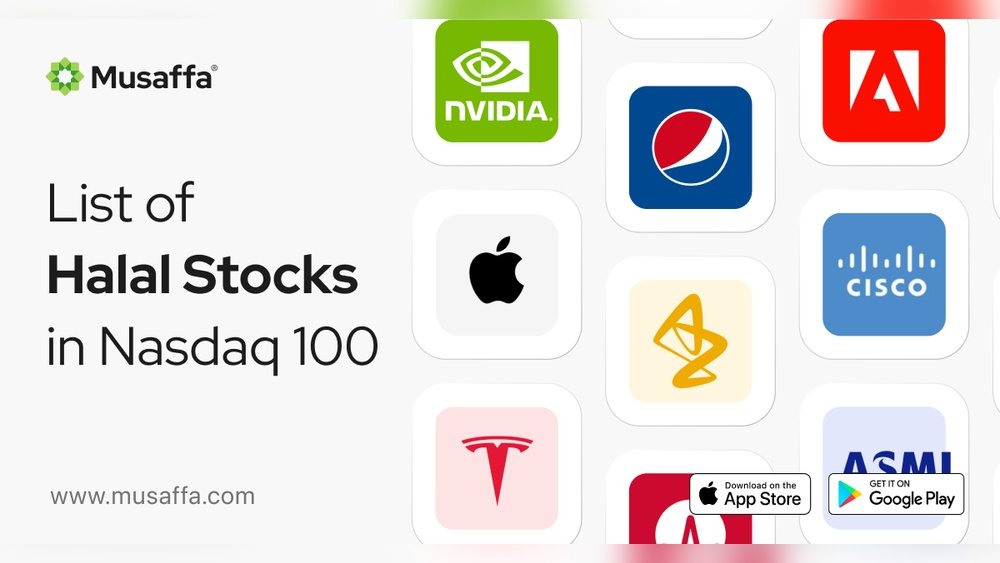
Are you looking to grow your investments while staying true to your faith? Understanding Sharia compliant stocks can help you do just that.
These stocks are carefully selected based on Islamic principles, ensuring your money supports only ethical and permissible business activities. But how do you know which companies qualify? And what should you watch out for when building a Sharia-compliant portfolio? This article will guide you through the essentials, helping you make smart, confident choices that align with your values.
Keep reading to discover how you can invest wisely without compromising your beliefs.
Shariah Principles In Stocks
Shariah principles guide the selection of stocks for Muslim investors. These principles ensure investments follow Islamic law. Stocks must comply with specific rules to be considered halal or Shariah-compliant. This section explains key principles used to evaluate stocks.
Permissible Business Activities
Shariah-compliant stocks come from companies with halal business activities. These companies avoid forbidden industries like alcohol, gambling, pork, and conventional finance. Their main operations must align with Islamic values. For example, technology, healthcare, and manufacturing companies often qualify.
Financial Ratio Criteria
Financial health is crucial in Shariah screening. Companies must have low debt levels, avoiding excessive interest-based borrowing. Key ratios include debt-to-equity and cash-to-assets limits. Income from non-permissible sources must be minimal. These financial rules prevent involvement in riba (interest), which Islam forbids.
Avoiding Haram Sectors
Stocks linked to haram sectors are excluded. These sectors involve activities forbidden by Islam, such as alcohol production, tobacco, gambling, and conventional banking. Screening removes companies earning significant revenue from these sources. This protects investors from supporting unethical business practices.
Credit: kashmirobserver.net
Top Shariah Compliant Stocks
Investing in Shariah compliant stocks allows Muslims to participate in the stock market while following Islamic principles. These stocks belong to companies that avoid activities forbidden in Islam, such as alcohol, gambling, and interest-based financing. Choosing the right Shariah compliant stocks can help investors build a portfolio aligned with their faith and financial goals.
Below are some top Shariah compliant stocks divided by sectors. These companies meet Islamic guidelines and perform well in their industries.
Technology Leaders
Technology companies often offer growth and innovation, making them attractive for many investors. Apple Inc. (AAPL) is a well-known Shariah compliant stock. It designs and sells consumer electronics, software, and digital services without engaging in prohibited activities. Microsoft Corporation (MSFT) also meets Shariah standards due to its core business in software and cloud computing.
These firms show strong financial health and ethical business practices, fitting Islamic investment criteria.
Healthcare Innovators
The healthcare sector provides essential services and products. Johnson & Johnson (JNJ) is considered Shariah compliant as it focuses on pharmaceuticals and medical devices. Pfizer Inc. (PFE) also qualifies, given its role in developing vaccines and treatments while avoiding forbidden businesses.
Healthcare stocks tend to be stable and meet the financial ratios required for Shariah compliance.
Consumer Goods
Companies producing everyday items can also align with Islamic principles. Procter & Gamble Co. (PG) offers household and personal care products without engaging in haram activities. Colgate-Palmolive Company (CL) is another example, known for oral hygiene and cleaning products.
These consumer goods companies maintain transparency and meet Islamic finance screening standards.
Apple Inc. Case Study
Apple Inc. serves as a notable example in the study of Sharia-compliant stocks. The company’s core business, financial structure, and ethical challenges provide insight into how a major tech firm fits Islamic investment principles. This case study breaks down Apple’s compliance status through multiple factors.
Core Business Compliance
Apple’s main activities include designing and selling electronic devices, software, and digital services. These sectors are generally considered halal under Sharia law. Apple does not engage in prohibited industries like alcohol, gambling, or pork products. This alignment makes Apple’s core business mostly compliant for Islamic investors.
Financial Screening Results
Apple meets key financial criteria set by Sharia boards. Debt levels remain within acceptable limits. Interest income is low compared to total revenue. Screening services like AAOIFI and Zoya confirm Apple’s financial ratios fit Sharia standards. These factors support Apple’s classification as a Sharia-compliant stock.
Ethical Concerns And Supply Chain
Concerns exist about Apple’s supply chain ethics. Allegations of forced labor, especially involving Uyghur Muslims in China, raise questions. Apple claims to investigate and address these issues. Yet, the lack of full transparency worries some investors focused on ethical compliance. This area remains a challenge for Sharia-conscious investors.
App Store Revenue Considerations
The App Store offers some apps with haram content, including certain games and dating services. This revenue stream is a small part of Apple’s total income. Financial screenings usually factor in this income carefully. Investors should consider this aspect in their decision-making process.
Investor Discretion
Apple is listed as Sharia-compliant by many Islamic finance screens. Still, individual investors must weigh financial compliance against ethical concerns. Personal values and risk tolerance play a key role. Careful research and reflection help maintain a halal investment portfolio.

Credit: greenportfolio.co
Nvidia’s Shariah Status
NVIDIA is a leading technology company known for its graphics processing units (GPUs). Investors interested in Shariah-compliant stocks often ask about NVIDIA’s status. This section reviews NVIDIA’s business activities, financial metrics, and ethical flags. The goal is to understand if NVIDIA fits Islamic investment principles.
Business Activities
NVIDIA primarily designs and sells GPUs for gaming, data centers, and AI. Its core business is in technology and hardware. These activities are generally permissible under Shariah law. NVIDIA does not deal in alcohol, gambling, or other forbidden industries. Its revenue mainly comes from halal sources.
Financial Metrics
Shariah compliance requires companies to meet specific financial ratios. These include limits on debt and interest income. NVIDIA’s debt ratio is moderate and usually below the accepted threshold. Interest income is minimal and does not dominate its earnings. Screening services often find NVIDIA meets these financial standards.
Ethical Flags
Some ethical concerns may arise from NVIDIA’s involvement in defense contracts. However, this is a small part of its business. The company’s supply chain and labor practices appear transparent. No major controversies regarding haram activities have been reported. Investors should still review details to ensure full comfort with the company’s ethics.
Screening Services For Shariah Stocks
Screening services play a vital role in identifying Shariah-compliant stocks. These services help investors find companies that follow Islamic principles. They analyze business activities and financial data to ensure compliance. This process saves time and reduces the risk of investing in non-compliant stocks.
Popular Screening Platforms
Many platforms offer Shariah stock screening tools. Zoya Finance is widely used for its clear interface and reliable data. Shariyah Review Bureau provides detailed reports on compliance. Simply Sharia screens stocks based on AAOIFI standards. These platforms update lists regularly to reflect market changes.
Compliance Standards
Shariah compliance depends on strict rules. Companies must avoid forbidden sectors like alcohol, gambling, and pork. Financial ratios are checked to limit debt and interest income. Most services follow guidelines from AAOIFI or similar Islamic bodies. These standards ensure investments follow ethical and religious rules.
Differences In Criteria
Screening criteria can vary by provider. Some allow slightly higher debt limits than others. Certain platforms exclude companies with any involvement in non-halal products. Others focus more on financial ratios than business activities. Investors should compare criteria before choosing a screening service.
Building A Shariah Compliant Portfolio
Building a Shariah compliant portfolio involves selecting stocks that follow Islamic laws. Investors focus on businesses that avoid forbidden activities like gambling and alcohol. They also ensure financial practices align with Islamic principles. Constructing such a portfolio requires careful planning and ongoing management. The goal is to maintain ethical investments while seeking reasonable returns.
Diversification Strategies
Diversification lowers risk by spreading investments across sectors. Choose stocks from different industries that meet Shariah standards. This approach reduces the impact of any single stock’s poor performance. It also balances growth and stability within the portfolio. Include shares from technology, healthcare, and consumer goods sectors. Avoid concentrating too much in one area.
Balancing Ethics And Returns
Investors must weigh ethical compliance against potential profits. Shariah compliant stocks may exclude some high-return industries. Focus on companies with transparent business models and sound finances. Patience helps as ethical investments grow steadily over time. Prioritize long-term benefits over quick gains. This balance supports both faith and financial goals.
Regular Screening Updates
Stocks can change their business activities or financial status. Regularly review your portfolio to ensure ongoing Shariah compliance. Use trusted screening tools that follow Islamic finance rules. Remove or replace stocks that no longer meet criteria. Staying updated protects the portfolio’s integrity and ethics. Schedule reviews at least every six months or after major news.
Ethical Considerations Beyond Compliance
Sharia compliant stocks follow Islamic rules in business and finance. But ethical investing goes beyond just meeting these rules. Many investors want to know how companies treat workers and the environment. They also want to feel good about where their money goes. This section explores ethical ideas that matter beyond basic Sharia compliance.
Supply Chain Transparency
Knowing where and how products are made is important. Some companies hide poor working conditions in their supply chains. Forced labor or unsafe environments break ethical values. Investors seek companies that show clear, honest supply chain practices. Transparency helps build trust and ensures fair treatment of workers.
Social Responsibility
Companies have a duty to support society. This includes good labor practices and helping communities. Social responsibility means acting fairly and caring for people. Investors prefer firms that give back and avoid harm. This focus aligns with Islamic values of justice and compassion.
Investor Personal Values
Each investor has unique beliefs and ethics. Some may avoid stocks with any involvement in forbidden activities. Others may weigh financial returns with social impact. Personal values guide choices beyond strict Sharia rules. This helps investors feel confident and peaceful about their investments.
Credit: academy.musaffa.com
Frequently Asked Questions
What Are Shariah Compliant Stocks?
Shariah compliant stocks follow Islamic law by avoiding businesses involved in alcohol, gambling, and interest-based finance. They meet ethical and financial criteria set by Islamic scholars.
Is Apple Stock Shariah Compliant?
Apple stock is generally Shariah compliant, meeting financial and business criteria set by Islamic standards. Some ethical concerns exist.
Is Nvidia Stock Shariah Compliant?
Nvidia stock is generally considered Shariah compliant by many Islamic finance screens. It meets core business and financial ratio requirements. Investors should review individual screening results and ethical considerations before investing.
Is Costco A Halal Stock?
Costco stock is generally not considered halal due to its involvement in non-permissible activities like alcohol sales. Most Islamic finance screens exclude it. Investors seeking Shariah-compliant stocks should verify with trusted Islamic finance screening services before investing.
Conclusion
Sharia compliant stocks offer a way to invest with Islamic values. They avoid businesses involved in alcohol, gambling, and interest. Choosing these stocks helps align your money with your beliefs. Always check a company’s financial ratios and business activities. Ethical concerns can also influence your decision.
Use trusted screening services for accurate information. Balancing faith and finance requires careful thought. With the right knowledge, you can build a portfolio that respects your principles. Keep learning and stay informed to make wise investment choices.