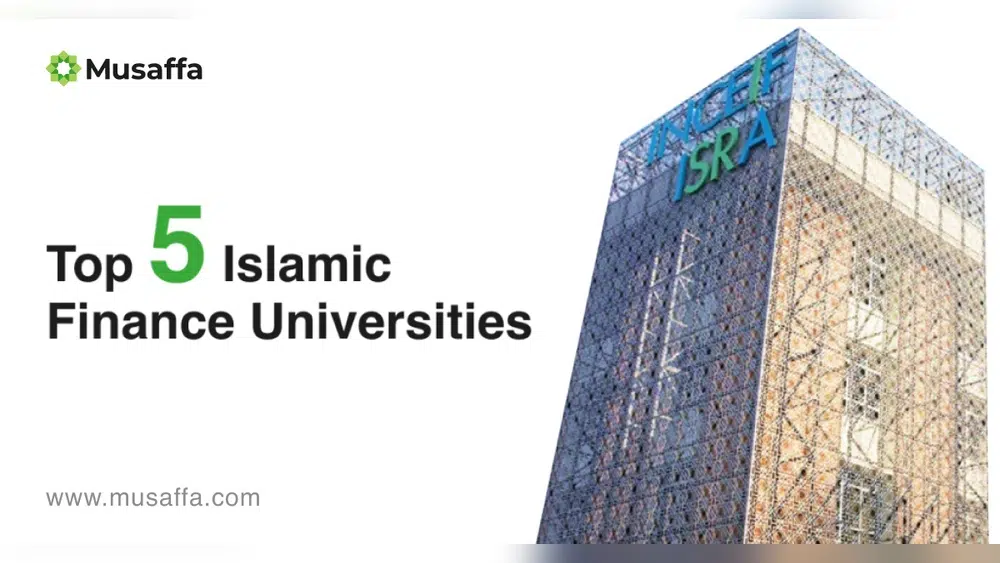
Are you looking to build a strong career in Islamic finance? Choosing the right university can make all the difference in gaining the knowledge and skills you need.
But with so many options around the world, how do you know which institutions offer the best programs in Islamic finance? Whether you want to study in the United States, Malaysia, or the Middle East, this guide will help you discover top universities that combine academic excellence with practical insights.
Keep reading to find the perfect place to start your journey in Islamic finance and unlock new opportunities for your future.
:max_bytes(150000):strip_icc()/islamicbanking.asp-FINAL-a44177c529d24b97a0a4e857d65253cf.png)
Credit: www.investopedia.com
Leading Universities In Islamic Finance
Leading universities in Islamic finance offer specialized programs to prepare students for careers in this growing field. These institutions provide deep knowledge of Shariah-compliant financial systems. They combine theory with practical insights. Students gain skills to work in Islamic banks, investment firms, and regulatory bodies. The following sections highlight top universities worldwide that excel in Islamic finance education.
Top Global Institutions
Several universities across the globe lead in Islamic finance studies. The International Islamic University Malaysia (IIUM) is well-known for its comprehensive programs. INCEIF, also in Malaysia, focuses entirely on Islamic finance education and research. Al-Azhar University in Egypt offers traditional and modern Islamic finance courses. The University of Bahrain provides strong practical training in Islamic banking and finance. These institutions attract students worldwide seeking expert knowledge.
Prominent Programs In The Usa
The USA hosts growing programs in Islamic finance, mainly in business schools. New York University (NYU) Stern School of Business offers courses on Islamic financial markets and instruments. Harvard Kennedy School includes Islamic finance topics in its public policy curriculum. The Islamic American University provides fully online degrees specialized in Islamic finance. These programs help students understand both global finance and Islamic principles.
Key Universities In Malaysia
Malaysia is a leader in Islamic finance education. INCEIF, the Global University of Islamic Finance, is highly respected for its master’s and PhD programs. Universiti Utara Malaysia (UUM) offers degrees focused on Islamic banking and finance. Universiti Kuala Lumpur (UniKL) provides practical training and research opportunities. Malaysia’s universities work closely with the industry to ensure relevant skills and knowledge.
Notable Uk Universities
The UK has several universities with strong Islamic finance offerings. The University of Durham offers a specialized MSc in Islamic finance. The University of Reading includes Islamic finance in its finance and banking courses. The London School of Economics (LSE) covers Islamic finance topics in its finance programs. These universities combine academic rigor with industry connections, preparing students for global careers.

Credit: aituedu.org
Specialized Islamic Finance Degrees
Specialized Islamic finance degrees offer focused knowledge on financial systems compliant with Islamic law. These programs teach principles like risk sharing, asset-backed financing, and prohibition of interest. They prepare students for careers in banks, investment firms, and regulatory bodies that follow Shariah.
Many top universities provide tailored courses to meet the growing demand for skilled professionals in this field. Students gain both theoretical understanding and practical skills to navigate complex Islamic financial products.
Master’s Programs
Master’s programs in Islamic finance provide advanced study for graduates and professionals. These degrees cover topics such as Islamic banking, takaful, and sukuk issuance. Students learn to analyze financial markets through the lens of Islamic jurisprudence. Common programs last one to two years and may require a thesis or project. Universities like INCEIF in Malaysia and the University of Wollongong in Dubai offer respected master’s degrees. These programs build expertise essential for leadership roles in Islamic finance institutions.
Online And Distance Learning
Online Islamic finance degrees increase access for students worldwide. Distance learning options allow study without relocating or quitting jobs. Courses cover core subjects like Islamic contracts, ethics, and risk management. Universities often provide interactive lectures, webinars, and digital resources. This format suits busy professionals seeking flexible schedules. Institutions such as the Islamic American University and UniKL offer fully online programs. Online degrees maintain academic rigor while offering convenience and broad accessibility.
Certification Courses
Certification courses offer short-term, focused training in Islamic finance principles. These programs target working professionals aiming to update skills or gain specific knowledge. Certificates cover areas like Shariah compliance, Islamic capital markets, and financial analysis. They often take a few weeks to months to complete. Providers include the Chartered Institute for Securities & Investment and Musaffa Academy. Certifications enhance resumes and demonstrate commitment to Islamic finance expertise. They serve as valuable stepping stones for career advancement.
Regional Strengths In Islamic Finance Education
Islamic finance education has grown worldwide, shaped by regional expertise and cultural ties. Different areas offer unique strengths. These strengths reflect local demand, regulatory frameworks, and academic traditions. Understanding regional centers helps students choose the right university. It also highlights where Islamic finance research and innovation thrive.
Middle East Centers Of Excellence
The Middle East leads Islamic finance education. Countries like the UAE, Saudi Arabia, and Bahrain host top universities. These institutions offer specialized programs aligned with Sharia law. Students gain knowledge from scholars with deep Islamic finance experience. The region’s financial markets also provide practical learning opportunities. Universities here connect students to industry leaders and regulators.
Southeast Asia’s Growing Influence
Southeast Asia is a hub for Islamic finance growth. Malaysia stands out with strong government support and innovative policies. Universities such as INCEIF focus entirely on Islamic finance education. Indonesia and Brunei also expand their academic offerings. The region balances tradition and modern finance practices. Students enjoy diverse course options and research prospects.
Western Universities And Islamic Finance
Western universities increasingly include Islamic finance in their curricula. Schools in the UK, the US, and Europe offer specialized degrees and certificates. These programs attract international students interested in global finance markets. Research centers in these universities explore Islamic finance’s role in the modern economy. Collaboration with Middle Eastern and Southeast Asian institutions enhances learning. Western programs often emphasize comparative finance and risk management.
Curriculum And Key Subjects
The curriculum for Islamic finance programs covers essential topics that blend finance with Islamic law. These courses prepare students to work in sectors that follow Sharia principles. The curriculum balances theory with practical knowledge to meet industry demands.
Students study various core subjects that form the foundation of Islamic finance. They also explore specialized areas such as risk management and Sharia compliance. Investment and banking practices specific to Islamic finance are also key parts of the study.
Core Islamic Finance Principles
Students learn about the basic rules of Islamic finance. These include prohibition of interest (riba) and uncertainty (gharar). The curriculum covers profit and loss sharing contracts and ethical investing. Understanding these principles is crucial for all Islamic finance professionals.
Risk Management And Sharia Compliance
Risk management in Islamic finance differs from conventional finance. Students study how to identify and control risks while following Sharia rules. Courses include Sharia audits and compliance checks. These subjects help ensure financial products meet Islamic ethical standards.
Investment And Banking Practices
Islamic banking uses unique contracts like mudarabah and murabaha. Students explore how these contracts support investment and financing. The curriculum covers product structuring and portfolio management. Practical training helps students apply knowledge in real-world banking.
Career Opportunities And Industry Links
Choosing a top university for Islamic finance opens doors to diverse career paths. The sector blends traditional finance with Islamic principles, creating unique opportunities. Strong links between universities and the finance industry boost student success. These connections help graduates enter the workforce smoothly. Practical experience and professional networks are key in Islamic finance careers.
Graduate Employability
Graduates from leading Islamic finance programs have high employability rates. Many secure jobs in banks, investment firms, and regulatory bodies. Employers value graduates who understand both finance and Shariah law. Universities often track alumni progress and tailor courses to market needs. Career services help students prepare for interviews and job applications.
Partnerships With Financial Institutions
Top universities maintain strong partnerships with Islamic banks and financial firms. These partnerships provide students access to industry experts and guest lectures. Collaborative research projects often address current market challenges. Financial institutions sometimes sponsor scholarships or competitions. These ties ensure curricula stay relevant to industry demands.
Internships And Practical Training
Internships are a vital part of Islamic finance education. They offer hands-on experience in real financial environments. Many universities have formal internship programs with partner institutions. Students gain skills in risk management, product structuring, and compliance. Practical training helps students apply theory and build confidence for their careers.

Credit: academy.musaffa.com
Choosing The Right Program
Choosing the right program in Islamic finance is crucial for your academic and career success. It shapes your knowledge, skills, and future opportunities. The right program meets your learning needs and aligns with your goals. Understanding key factors helps you make an informed choice.
Factors To Consider
Check the curriculum to ensure it covers core Islamic finance topics. Look for practical training and case studies. Consider the faculty’s expertise and experience in Islamic finance. Evaluate the program’s duration and flexibility to fit your schedule. Think about the location and language of instruction. Research the university’s connections with the Islamic finance industry.
Scholarships And Financial Aid
Many universities offer scholarships for Islamic finance students. These reduce financial burdens and make education affordable. Look for merit-based and need-based scholarships. Some programs provide assistantships or internships. Financial aid options vary, so research each university’s offerings. Apply early to increase your chances of receiving aid.
Accreditation And Recognition
Choose programs accredited by reputable bodies. Accreditation ensures the program meets quality standards. It enhances your degree’s value in the job market. Check if the university is recognized by Islamic finance authorities. Look for endorsements from industry organizations. Accreditation and recognition build trust with employers and peers.
Frequently Asked Questions
Which University Is Best For Islamic Finance?
Top universities for Islamic finance include INCEIF (Malaysia), Al-Azhar University (Egypt), and University of Wollongong in Dubai. Leading US schools are NYU and Harvard. These institutions offer strong programs blending finance with Islamic principles.
Which Is The Top 1 Islamic University In The World?
Al-Azhar University in Cairo is the top Islamic university globally, renowned for Islamic studies and theology.
What Is The 30% Rule In Islamic Finance?
The 30% rule in Islamic finance limits non-permissible income to 30% of an investment’s total revenue. This ensures compliance with Shariah principles.
Are There Any Islamic Universities In The Usa?
Yes, the USA has Islamic universities like Islamic American University offering various campuses and online programs nationwide.
Conclusion
Choosing the right university shapes your future in Islamic finance. Top schools offer strong programs and expert faculty. They provide practical skills and global perspectives. Studying at these institutions helps build a solid foundation. Research each university carefully to find the best fit.
Your education will open doors in the growing Islamic finance sector. Start your journey with a clear goal and dedication. Success in this field depends on knowledge and experience.