Are you curious about how profit is calculated in Islamic banking and how it differs from conventional banking? Understanding this can help you make informed decisions about your investments and savings in a way that aligns with your values.
Islamic banking doesn’t charge interest—instead, it shares profits and risks through transparent agreements based on real economic activities. You’ll discover the simple steps and formulas used to calculate profit in Islamic banking, so you can confidently navigate your financial journey.
Keep reading to unlock the key to maximizing your returns while staying true to Shari’ah principles.
Islamic Banking Profit Basics
Islamic banking operates on unique profit principles. It avoids interest and follows Shari’ah law. This system focuses on fairness and transparency in profit calculation. Understanding these basics helps customers know how profits are shared and earned.
Islamic banks invest in real economic activities. Profits come from trade and asset-backed transactions. Customers and banks share profits and risks based on agreed terms.
Profit Vs Interest
Islamic banking does not charge interest. Instead, it earns profit through business activities. Interest is fixed and guaranteed, but profit depends on actual returns. Profit varies with market conditions and business success. This creates a fairer system for all parties.
Profit Sharing Principle
Profit sharing is central to Islamic finance. Banks and customers agree on profit ratios before investment. Both share gains and losses together. This encourages responsible investment and risk management. Profit distribution reflects actual business performance.
Shari’ah Compliance
All Islamic banking activities must follow Shari’ah rules. These rules forbid interest, uncertainty, and unethical investments. Islamic scholars oversee banking contracts and transactions. Shari’ah compliance ensures profits are earned ethically and legally. This builds trust between banks and customers.

Credit: www.researchgate.net
Types Of Islamic Profit
Islamic banking offers various profit types based on Shariah principles. Each type follows specific rules to avoid interest and ensure fairness. Understanding these profit types helps customers know how banks generate income. Profit sharing and trade-based methods are common in Islamic finance.
Murabaha Profit
Murabaha is a cost-plus-profit contract. The bank buys an item and sells it to the customer with a known profit margin. Profit is fixed and agreed upon before the sale. Customers pay in installments or lump sum. This method avoids interest by treating profit as a trade gain.
Mudarabah Profit
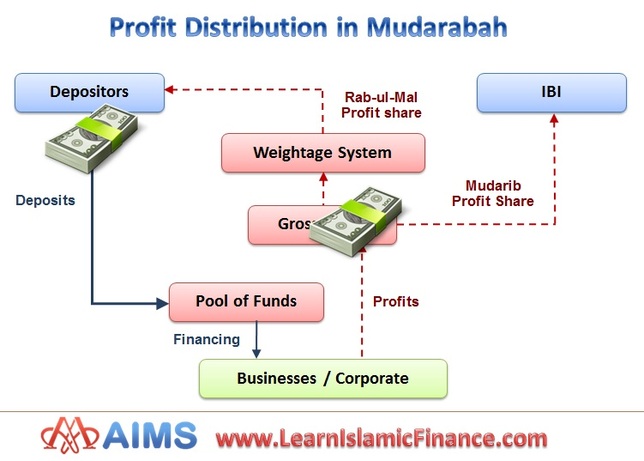
Mudarabah is a partnership where one party provides capital. The other party manages the investment. Profits are shared according to a pre-agreed ratio. Losses are borne by the capital provider only. This type of profit depends on the investment’s success and risk sharing.
Ijara Profit
Ijara means leasing or renting. The bank buys an asset and leases it to the customer. Profit comes from lease payments over time. The customer uses the asset without owning it until the lease ends. This method is similar to conventional leasing but follows Islamic rules.
Key Elements For Profit Calculation
Calculating profit in Islamic banking requires understanding several key elements. These elements help determine the exact profit amount fairly. Islamic banking avoids interest and focuses on profit-sharing. The calculation depends on clear and agreed terms between the bank and customer.
Below are the main factors that influence profit calculation in Islamic finance. Each element plays an important role in ensuring transparency and compliance with Shari’ah principles.
Financing Amount
The financing amount is the total money the bank provides to the customer. This sum forms the base for profit calculation. It includes the principal amount agreed upon in the contract. Accurate knowledge of this amount is essential for fair profit sharing.
Profit Rate
The profit rate is the agreed percentage the bank will earn from the financing amount. It is not interest but a share of the profit from investments. Both parties agree on this rate before the contract starts. The rate reflects market conditions and risk involved.
Financing Period
The financing period is the length of time the customer uses the financing. It affects the total profit since longer periods yield higher returns. The period is usually measured in months or years. Both parties must clearly define this duration in the contract.
:max_bytes(150000):strip_icc()/islamicbanking.asp-FINAL-a44177c529d24b97a0a4e857d65253cf.png)
Credit: www.investopedia.com
Step-by-step Profit Calculation
Calculating profit in Islamic banking follows a clear, structured process. This step-by-step method ensures fairness and transparency. Each step helps both the bank and customer understand the profit share clearly.
Below are the key steps to calculate profit in Islamic banking. Follow these simple instructions to get accurate results.
Calculate Profit Amount
Start by knowing the profit rate agreed upon. Multiply the financing amount by this profit rate. Then, multiply by the financing period in years. This gives the total profit amount earned during the period.
Determine Total Financing
Add the original financing amount to the profit amount. This sum is the total amount the customer needs to repay. It reflects the cost of financing plus the profit earned by the bank.
Apply Mutual Insurance Rate
Next, calculate the mutual insurance cost. Multiply the total financing by the mutual insurance rate. Then, multiply by the financing period in years. This covers the risk-sharing aspect in Islamic banking.
Profit Rate Determination
Understanding the tools and formulas in Islamic banking is essential. These methods help calculate profit in ways that follow Shari’ah rules. Islamic banks avoid interest and use profit-sharing or trade-based models. Each tool or formula serves a specific purpose in measuring returns fairly and transparently.
These calculations rely on clear inputs like cost, profit rate, and duration. Using simple formulas ensures accuracy and compliance. This section breaks down key tools and formulas widely used in Islamic banking.
Murabaha Profit Formula
Murabaha is a common Islamic finance method. It involves buying goods and selling them at a marked-up price. The profit formula is straightforward:
Profit = Financing Amount × Profit Rate × Financing Period (in years)
To get total payment, add the profit to the financing amount:
This formula ensures transparency. Both parties agree on profit rate before the deal. It helps avoid any hidden charges or interest.
Profit Rate Swap Concept
Profit Rate Swap allows exchanging profit streams between two parties. It works like a contract to swap fixed and floating profit rates. Both agree on terms over a fixed period.
This tool manages risks and balances profit payments. It differs from conventional interest swaps by complying with Islamic law. The focus remains on profit-sharing, not interest.
Cost And Profit Calculations
Cost and profit calculations form the core of Islamic finance. Start by identifying the cost of goods or investment. Then, calculate the agreed profit margin. Use this to find total profit earned.
Simple formulas help:
Tracking these values keeps transactions clear and fair. It ensures no party bears unfair losses or gains.
Credit: islamicbankingfinance.weebly.com
Tools And Formulas
Understanding common profit calculation examples helps grasp how Islamic banking works. These examples show how profit is shared fairly between banks and customers. Each contract type has unique ways to calculate profit.
Below are simple examples of profit calculation in popular Islamic finance contracts. They clarify the process and make it easier to apply in real life.
Murabaha Transaction Example
Murabaha is a cost-plus sale contract. The bank buys an item and sells it to the customer at a fixed profit margin.
For example, if the bank buys a car for $20,000 and agrees on 10% profit, the selling price is:
Cost Price + (Cost Price × Profit Rate) = Selling Price
The customer pays $22,000 in installments over the agreed period. The bank’s profit is $2,000.
Mudarabah Investment Example
Mudarabah is a profit-sharing partnership. The bank provides capital, and the customer manages the project.
If the total profit earned is $15,000 and the profit-sharing ratio is 70% for the bank and 30% for the customer, profits are:
Bank’s Profit = Total Profit × Bank’s Share
Customer’s Profit = Total Profit × Customer’s Share
Both parties share profit according to the agreed ratio. Losses are borne by the bank unless caused by customer negligence.
Ijara Lease Example
Ijara is a leasing contract where the bank buys an asset and leases it to the customer.
The bank calculates profit by charging lease payments above the asset’s cost. Suppose the asset costs $50,000 and lease payments total $60,000 over 5 years.
The profit earned is:
Total Lease Payments – Asset Cost = Profit
Lease payments are spread evenly or as agreed. The bank retains ownership during the lease term.
Frequently Asked Questions
How Is Profit Calculated In Islamic Banking?
Islamic banks calculate profit by sharing investment returns based on a pre-agreed ratio. They avoid charging interest, ensuring transparency. Profit depends on the agreed percentage and the actual earnings from Shari’ah-compliant investments. This method aligns with Islamic finance principles of risk and profit sharing.
What Is The Profit Of An Islamic Bank?
Islamic banks earn profit by investing in Shari’ah-compliant ventures. They share profits and risks equally with customers, avoiding interest charges.
How To Calculate Murabaha Profit?
Calculate Murabaha profit by multiplying financing amount, profit rate, and financing period in years. Add profit to principal for total financing.
What Is The Islamic Profit Rate?
The Islamic profit rate is a pre-agreed percentage of returns from Shari’ah-compliant investments. It replaces interest, ensuring profit-sharing and transparency between banks and customers.
Conclusion
Calculating profit in Islamic banking depends on shared investment returns. Both the bank and customer agree on profit distribution beforehand. This makes the process clear and fair for everyone. Profit is based on real trade or service activities, not interest charges.
Using simple formulas helps in understanding the exact profit earned. Knowing these steps supports better financial decisions in Islamic banking. This approach ensures ethical and transparent profit sharing. It reflects the core values of Islamic finance principles.