Are you looking to open an Islamic bank account but don’t know where to start? Whether you want to manage your money in a way that aligns with your values or explore a banking option free from interest, this guide is for you.
Opening an Islamic bank account is simpler than you might think, and you don’t have to be a Muslim to benefit from it. You’ll discover the straightforward steps to open your account quickly and securely, what documents you’ll need, and how to choose the right type of account for your needs.
Keep reading to take control of your finances the halal way—effortlessly and with confidence.
:max_bytes(150000):strip_icc()/islamicbanking.asp-FINAL-a44177c529d24b97a0a4e857d65253cf.png)
Credit: www.investopedia.com
Eligibility Criteria
Opening an Islamic bank account requires meeting certain eligibility criteria. These rules ensure the account holder complies with Islamic banking principles and legal requirements. Understanding these criteria helps smooth the application process.
Who Can Open An Account
Anyone can open an Islamic bank account. The service is not limited to Muslims only. People of all faiths can use Islamic banking products. The main condition is to follow the bank’s policies.
Usually, the applicant must be at least 18 years old. Some banks accept minors with a guardian’s consent. Non-resident foreigners may also open accounts, depending on the bank’s rules.
Required Documents
The bank asks for basic documents to verify identity and address. A valid ID such as a passport or national ID card is essential. Proof of address, like a utility bill, may be needed.
Some banks require a photograph of the applicant. Additional documents like income proof or employment details might be requested. Always check the specific bank’s list before applying.

Credit: www.scribd.com
Types Of Islamic Accounts
Islamic banks offer different types of accounts based on Shariah principles. These accounts avoid interest and focus on profit-sharing or safekeeping. Choosing the right account depends on your financial goals and needs. Here are the main types of Islamic accounts you can open.
Savings Accounts
Savings accounts in Islamic banks work differently from regular ones. They do not pay interest. Instead, profits come from business activities the bank invests in. The bank shares a part of these profits with account holders. Your money stays safe and grows without violating Islamic rules.
Current Accounts
Current accounts are for daily transactions and easy access to your money. They do not earn profit or interest. These accounts are ideal for businesses and individuals who need frequent withdrawals and deposits. The bank guarantees the full amount in your account at all times.
Investment Accounts
Investment accounts allow customers to invest money in Shariah-compliant projects. The returns depend on the success of these investments. These accounts carry some risk but offer higher profit potential. They suit people willing to invest for longer periods and share profits with the bank.
Choosing The Right Bank
Choosing the right bank is a key step in opening an Islamic bank account. The bank you pick affects your ease of banking and the services you receive. Understanding the differences between banks helps you make the best choice. This section explains how to choose between local and international banks, and between digital and traditional branches.
Local Vs International Banks
Local banks often know the needs of the community better. They may offer personalized service and understand local rules well. Local banks can also be more flexible with their products.
International banks have a wider network. They may provide more options for saving and investing. These banks often follow global standards and offer services in many countries.
Consider your needs. If you travel or work across countries, an international bank may suit you. For close support and easy access, a local bank might be better.
Digital Vs Traditional Branches
Digital banks operate online without physical branches. You can open accounts and manage money using apps. This option saves time and works anytime.
Traditional branches offer face-to-face service. You can ask questions and get help in person. Some people trust this method more.
Think about your comfort with technology. If you prefer quick online access, choose digital banks. If you want personal help, traditional branches fit well.

Credit: www.youtube.com
Step-by-step Setup Process
Opening an Islamic bank account follows a clear, simple process. Understanding each step helps you complete the setup quickly. This guide breaks down the process into easy actions. Follow these steps for a smooth account opening experience.
Online Application
Start by visiting the bank’s official website. Find the Islamic banking section and choose the account type. Fill out the online application form carefully. Provide your personal details like name, address, and contact number. Double-check information before submitting the form.
Uploading Documents
Prepare essential documents such as your ID, proof of address, and a recent photo. Scan or take clear pictures of these documents. Upload them through the bank’s secure portal. Make sure all files are readable and meet size requirements. This step verifies your identity and eligibility.
Initial Deposit
Most Islamic banks require an initial deposit to activate your account. Check the minimum amount needed for your chosen account type. Transfer the funds through online banking or visit a branch if needed. The deposit confirms your commitment and starts your Islamic banking journey.
Account Features And Benefits
Opening an Islamic bank account offers unique features and benefits. These accounts follow Shariah principles. They avoid interest and focus on fairness. Many accounts provide modern digital services. This section explains key benefits and features.
Profit Sharing Principles
Islamic bank accounts operate on profit sharing. Instead of fixed interest, profits depend on bank performance. Account holders share gains and losses fairly. This system promotes ethical investment. It encourages transparency between the bank and customers.
No Interest Charges
Islamic banking strictly avoids interest or “riba.” Account holders do not pay or earn interest. This aligns with Islamic law and ethics. It prevents unfair advantage or exploitation. Customers can save or invest without concern for interest.
Digital Banking Options
Many Islamic banks offer digital services. Customers can open accounts online easily. Mobile apps and websites help manage funds anytime. Digital banking saves time and effort. It also improves accessibility for all users.
Common Fees And Charges
Understanding the common fees and charges is important before opening an Islamic bank account. These costs affect your savings and how you manage your money. Islamic banks follow Shariah principles, but fees still apply to maintain the account and services.
Knowing these fees helps you choose the right account and avoid surprises. Below are the typical charges you might encounter.
Minimum Deposit Requirements
Islamic banks usually ask for a minimum deposit to open an account. This amount varies by bank and account type. It can be as low as $20 or more for special accounts.
The minimum deposit keeps your account active and helps the bank manage your funds fairly. Always check the exact amount before applying.
Maintenance Fees
Some Islamic bank accounts charge monthly or yearly maintenance fees. These fees cover account management and customer service.
Not all accounts have this fee. Some banks waive it if you keep a minimum balance or use digital banking services.
Transaction Costs
Transaction costs can include fees for transfers, withdrawals, or check processing. Islamic banks may charge for certain services to cover operational expenses.
Many banks offer free transactions up to a certain limit. After that, small fees apply. Knowing these costs helps you manage your spending better.
Tips For Hassle-free Opening
Opening an Islamic bank account can be smooth and quick with the right approach. Preparing carefully helps avoid delays and confusion. Follow these tips to make the process hassle-free. Each step ensures you meet requirements and use technology well. This saves time and effort.
Preparing Documents In Advance
Gather all required documents before visiting the bank. Common papers include your ID, proof of address, and a recent photo. Some banks ask for additional documents like income proof or a reference letter. Check the bank’s list to avoid missing any papers. Having everything ready speeds up the verification process. It also reduces multiple trips to the bank.
Using Mobile Apps
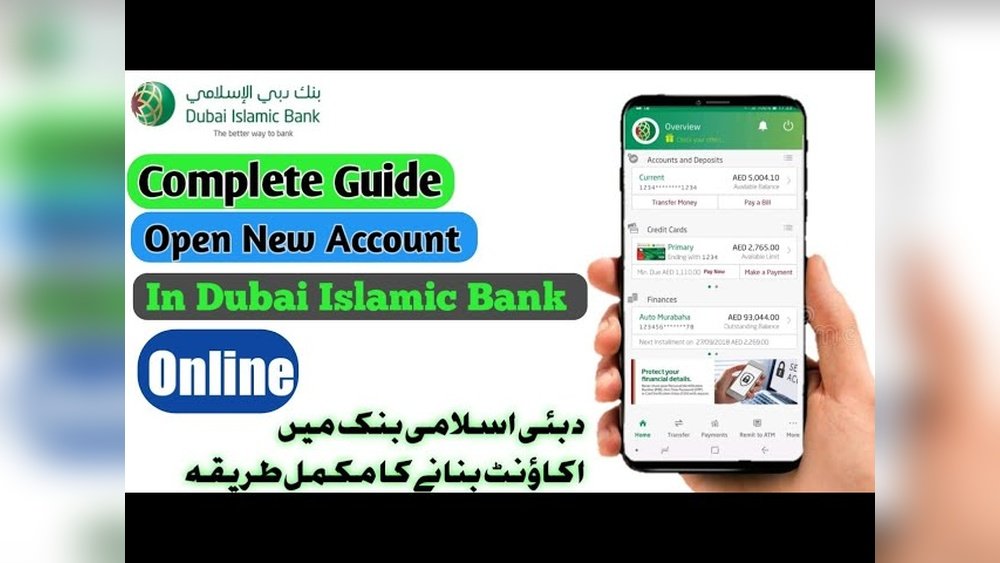
Many Islamic banks offer mobile apps for account opening. These apps allow you to submit your application online. Upload documents and fill out forms without visiting a branch. Apps often have user-friendly guides to help you complete each step. Mobile banking saves time and makes the process more convenient. You can track your application status anytime through the app.
Customer Support Access
Good customer support helps solve problems quickly. Contact the bank’s support team if you have questions. Use phone, email, or live chat options for fast answers. Support staff can guide you on document submission and account selection. They also explain Islamic banking rules clearly. Access to helpful support reduces stress during account opening.
Frequently Asked Questions
Can Anyone Open An Islamic Bank Account?
Anyone can open an Islamic bank account regardless of religion. Banks require valid ID and necessary documents to start the process.
How Long Does It Take To Open A Bank Islam Account?
Opening an Islamic bank account usually takes a few minutes to a few days. Online applications speed up the process significantly.
How Much To Open A Bank Islam Account?
Opening an Islamic bank account typically requires an initial deposit ranging from $5 to $120, depending on the bank and account type.
Can I Open An Arab Bank Account Online?
You can open an Arab bank account online easily via mobile apps or websites. Upload required documents, choose account type, and submit your application securely. Many Arab banks offer digital onboarding, debit card delivery, and instant account activation without branch visits.
Conclusion
Opening an Islamic bank account is simple and clear. Gather your documents like ID and proof of address. Choose the right account type based on your needs. Submit your application online or visit a branch. The bank will review your details quickly.
Once approved, start managing your finances the Shariah way. This process suits both Muslims and non-Muslims. Enjoy ethical banking that avoids interest and promotes fairness. Take your time to compare banks before deciding. Your Islamic bank account supports your financial goals responsibly.