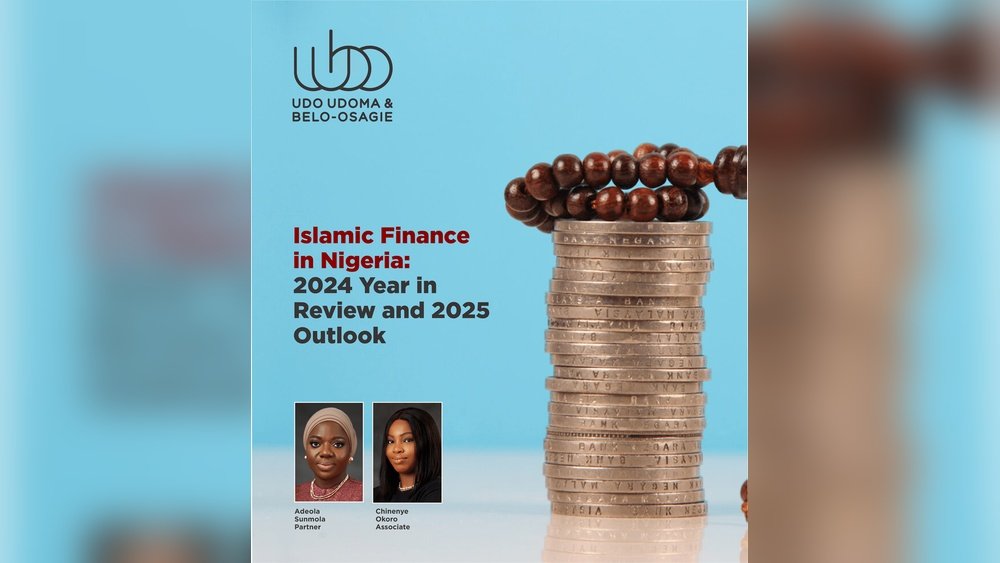
Are you looking for a financial system that aligns with your values and offers ethical alternatives to conventional banking? Islamic finance in Nigeria is gaining momentum, providing options that avoid interest and promote fairness.
Whether you’re an investor, a business owner, or someone seeking financial security, understanding how Islamic finance works in Nigeria could open new doors for your money. You’ll discover how Islamic banks operate, the unique products they offer, and why this approach is becoming a powerful tool for financial inclusion and investment growth in Nigeria.
Ready to explore a financial path designed with your principles in mind? Keep reading to find out more.
Islamic Banking Landscape
The Islamic banking landscape in Nigeria is growing steadily. It offers financial services that follow Islamic law, avoiding interest and unethical activities. This sector provides alternatives to conventional banking, appealing to many customers who seek Sharia-compliant options.
Nigeria’s Islamic finance market includes various banks, financial products, and investment opportunities. These institutions promote ethical banking and aim to meet the financial needs of the Muslim population and others interested in Islamic finance.
Key Islamic Banks In Nigeria
Several banks operate under Islamic principles in Nigeria. Jaiz Bank Plc is the pioneer non-interest bank in the country. It offers a range of Sharia-compliant products and services.
Other notable Islamic banks include Lotus Bank and TajBank. These banks provide financial solutions based on profit-sharing and risk-sharing models. Their presence strengthens the Islamic finance sector across Nigeria.
Types Of Islamic Financial Products
Islamic banks in Nigeria offer various products. These include Murabaha, a cost-plus financing method for buying goods. Musharakah allows joint investment partnerships between banks and customers.
Ijara is a leasing product, letting customers lease assets without interest. Tawarruq involves buying and selling to provide cash financing. These products comply with Sharia and avoid interest payments.
Role Of Sukuk And Mutual Funds
Sukuk are Islamic bonds used to raise funds without interest. They represent ownership in assets, projects, or investments. Sukuk financing supports infrastructure and development projects in Nigeria.
Islamic mutual funds pool money from investors to invest in Sharia-compliant stocks and businesses. These funds provide ethical investment options and diversify portfolios. Both Sukuk and mutual funds boost the growth of Islamic finance in Nigeria.
Credit: we-fi.org
Regulatory Environment
The regulatory environment shapes how Islamic finance operates in Nigeria. Clear rules and guidelines create trust and support growth. Regulators balance Islamic finance principles with the country’s legal system. This section explores key areas of regulation in Nigeria’s Islamic finance sector.
Legal Framework For Islamic Finance
Nigeria’s legal framework for Islamic finance is evolving. The government adapts existing laws to fit Islamic financial principles. Laws cover contracts, banking, and investments without interest. The framework ensures compliance with Sharia law and national regulations. This legal base helps Islamic finance grow steadily in Nigeria.
Securities And Exchange Commission’s Role
The Securities and Exchange Commission (SEC) regulates Islamic finance activities. SEC supervises Sukuk issuance and Islamic investment funds. It sets standards to protect investors and maintain market stability. The SEC also educates stakeholders on Islamic finance rules. Their role is vital for transparency and trust in the market.
Challenges In Regulation
Regulating Islamic finance faces several challenges in Nigeria. Lack of specific laws slows down product development. Some regulators have limited knowledge of Islamic finance principles. Coordination between agencies can be weak, causing delays. Addressing these issues is key to a stronger regulatory system.
Economic Impact
Islamic finance plays a growing role in Nigeria’s economy. It offers financial services based on Islamic law, avoiding interest and promoting risk-sharing. This approach supports economic activities aligned with ethical values. The sector’s growth shows significant economic benefits across multiple areas.
Contribution To Financial Inclusion
Islamic finance helps many Nigerians access banking services. It reaches people who avoid conventional banks due to interest-based products. Many low-income and rural communities find Sharia-compliant finance more acceptable. This access encourages saving, investment, and economic participation. Financial inclusion improves overall economic stability and growth.
Driving Investment And Growth
Islamic finance attracts new investments through ethical and profit-sharing models. It supports business ventures without charging interest. This encourages entrepreneurship and small business development. Sukuk bonds provide an alternative funding source for infrastructure projects. These investments boost economic activities and create long-term growth opportunities.
Job Creation And Economic Diversification
The Islamic finance sector creates jobs in banking, legal, and consultancy fields. It also supports industries aligned with Islamic principles, such as halal food and tourism. This diversification reduces dependence on oil and traditional sectors. New jobs and industries strengthen Nigeria’s economy and resilience. More employment means higher incomes and better living standards.
Growth Opportunities
Islamic finance in Nigeria offers many growth opportunities. The sector is evolving fast. It meets the needs of a large population seeking ethical financial services. Growth depends on expanding market reach, creating new financial products, and building strong partnerships.
Expanding Market Reach
Nigeria has a large Muslim population eager for Islamic finance. More banks and financial institutions are adopting Sharia-compliant services. This expansion opens access to underserved communities. It also attracts new customers interested in ethical banking. Mobile banking and digital platforms help reach rural areas. This growth broadens the customer base and increases financial inclusion.
Innovative Financial Instruments
Islamic finance in Nigeria develops new products like Sukuk bonds and Islamic mortgages. These products offer alternatives to conventional loans and investments. They follow Sharia rules, avoiding interest and promoting profit sharing. Innovation helps meet diverse needs, from small businesses to large projects. It also attracts investors seeking ethical and stable returns. The rise of fintech supports product development and delivery.
Collaborations And International Partnerships
Nigerian Islamic finance benefits from partnerships with global institutions. These collaborations bring expertise, technology, and capital. They enhance standards and practices in the local market. Joint ventures with foreign banks expand product offerings. Training and research improve industry knowledge and skills. International ties boost confidence among investors and customers.
Challenges To Overcome
The growth of Islamic finance in Nigeria shows promise, but several challenges slow its progress. Addressing these issues is crucial for wider adoption and success. These obstacles affect customers, financial institutions, and regulators alike.
Public Awareness And Perception
Many Nigerians do not fully understand Islamic finance principles. Confusion exists between Islamic finance and conventional banking. Misconceptions lead to distrust or hesitation to use these services. Awareness campaigns are needed to educate the public. Clear, simple information can help change perceptions.
Infrastructure And Technology
Islamic finance requires specific systems to comply with Sharia rules. Many banks lack the right technology and infrastructure. This limits the products they can offer. Investment in new software and training is essential. Reliable infrastructure ensures smooth and transparent operations.
Competition With Conventional Banks
Conventional banks dominate Nigeria’s financial sector. They have well-established customer bases and wide networks. Islamic banks face difficulty attracting customers away from these giants. Offering competitive products and excellent service helps. Building trust through consistent performance is vital.

Credit: muslimvoice.com.ng
Future Outlook
The future of Islamic finance in Nigeria holds promise. Growth in this sector could reshape the country’s financial landscape. Demand for Sharia-compliant products is rising among Nigerians. This calls for strong foundations and clear strategies to sustain growth.
Potential For Industry Expansion
Nigeria’s large Muslim population creates a natural market. Islamic finance can attract new customers seeking ethical banking. Opportunities exist in banking, insurance, and investment sectors. Introducing more Islamic financial products can increase market share. Local businesses may also benefit from Sharia-compliant funding options.
Role Of Education And Training
Educating financial professionals is key to growth. Training programs will improve understanding of Islamic finance principles. Universities and institutions must offer specialized courses. Awareness campaigns can help customers learn benefits of Islamic finance. Skilled personnel can support innovation and compliance in the industry.
Government Support And Policy Developments
Strong government backing can accelerate industry progress. Clear regulations encourage investor confidence and protect consumers. Policies that recognize Islamic finance help integrate it into the economy. Collaboration between regulators and industry players is essential. Government incentives may attract more Islamic financial institutions to Nigeria.
Credit: www.goodreads.com
Frequently Asked Questions
Which Bank In Nigeria Is An Islamic Bank?
Jaiz Bank Plc is Nigeria’s first Islamic bank. It operates under Sharia-compliant, non-interest banking principles and is based in Abuja.
How Many Islamic Banks Are There In Nigeria?
Nigeria currently has two fully licensed Islamic banks: Jaiz Bank and Lotus Bank. Both follow Sharia-compliant financial principles.
How Much Deposit Do I Need For A Halal Mortgage?
A halal mortgage usually requires a deposit of at least 10% to 20% of the property’s value. Deposit amounts vary by lender and location.
Which Banks Offer Islamic Finance?
Jaiz Bank and Lotus Bank in Nigeria offer Islamic finance services. In the UK, Al Rayan Bank, BLME, Gatehouse Bank, and Ahli United Bank provide Sharia-compliant products. These banks follow Islamic principles, avoiding interest and promoting ethical financial solutions.
Conclusion
Islamic finance in Nigeria shows steady growth and promising potential. It offers ethical banking options aligned with Islamic principles. More Nigerians seek these services for fairness and trust. Banks like Jaiz and Lotus lead the sector’s development. Challenges remain, but the industry adapts and improves continuously.
This finance model supports economic inclusion and diversity. Awareness and education will boost its acceptance further. Islamic finance can contribute to Nigeria’s financial stability. The future looks positive for this banking approach.