
Peer-to-peer (P2P) lending has been gaining popularity as an alternative investment option in recent years. But is it really worth it? Let’s delve into the world of P2P lending to understand its benefits, risks, and potential returns to determine if it’s a worthwhile investment choice.
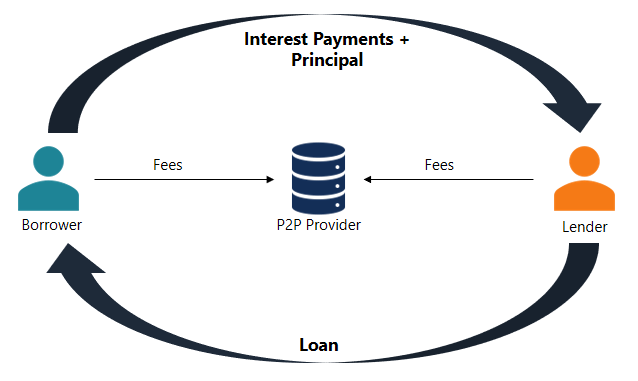
Credit: corporatefinanceinstitute.com
The Basics of Peer-To-Peer Lending
Peer-to-peer lending platforms connect borrowers with individual investors, cutting out traditional financial institutions. This direct lending model often results in lower interest rates for borrowers and potentially higher returns for investors compared to traditional banking options.
Benefits Of Peer-to-peer Lending
There are several advantages to consider when contemplating P2P lending as an investment opportunity:
- Diversification: P2P lending offers a way to diversify investment portfolios beyond stocks and bonds, potentially reducing overall investment risk.
- Higher Potential Returns: Investors may benefit from higher potential returns compared to traditional investment options.
- Passive Income: P2P lending can provide a stream of passive income for investors, especially those seeking alternative income sources.
- Lower Fees: P2P lending platforms often have lower fees than traditional financial institutions, potentially leading to higher net returns for investors.
Risks Of Peer-to-peer Lending
While there are potential benefits, it’s crucial to be aware of the risks associated with P2P lending:
- Default Risk: Borrowers may default on their loans, leading to potential loss of investment principal and interest.
- Lack of Regulation: P2P lending is less regulated than traditional banking, posing potential risks for both borrowers and investors.
- Platform Risks: Some P2P lending platforms may face operational or financial challenges, affecting investors’ returns and the recovery of funds.

Credit: www.debt.org
Is Peer-To-Peer Lending Worth It?
So, is P2P lending really worth it? The answer depends on individual risk tolerance, investment goals, and overall financial strategy. If seeking potentially higher returns and diversification, P2P lending may be a viable option. However, it’s essential to carefully consider the associated risks and conduct thorough research before jumping into this investment avenue.
Considerations Before Investing In P2p Lending
Before diving into P2P lending, consider the following factors:
- Risk Tolerance: Assess your comfort level with the potential risks and fluctuations associated with P2P lending.
- Investment Horizon: Determine if P2P lending aligns with your short-term or long-term investment objectives.
- Due Diligence: Research and evaluate different P2P lending platforms, their track records, and borrower profiles to make informed investment decisions.
- Diversification: Avoid overexposure by diversifying your investments across different P2P lending opportunities.
- Exit Strategy: Define an exit strategy in case of unexpected challenges or changes in financial circumstances.
Frequently Asked Questions For Is Peer-to-peer Lending Worth It?
How Does Peer-to-peer Lending Work?
Peer-to-Peer lending connects borrowers directly with lenders through online platforms, bypassing traditional financial institutions.
What Are The Benefits Of Peer-to-peer Lending?
Peer-to-Peer lending offers higher returns for investors and lower interest rates for borrowers, cutting out middlemen.
Is Peer-to-peer Lending Safe?
Peer-to-Peer lending platforms typically have strict borrower screening processes, risk assessment, and loan diversification to minimize default risk.
How Much Can I Borrow Through Peer-to-peer Lending?
The loan amount available through Peer-to-Peer lending can range from a few hundred dollars to several thousand, depending on the platform and your creditworthiness.
Conclusion
In conclusion, peer-to-peer lending can be a worthwhile investment strategy for those seeking diversification and potentially higher returns. However, it’s crucial to approach P2P lending with a clear understanding of the associated risks and a comprehensive investment plan. By carefully weighing the benefits and drawbacks, individuals can make informed decisions about whether P2P lending aligns with their financial objectives and risk appetite.