In recent years, peer to peer lending, also known as P2P lending, has gained significant popularity as an alternative form of investment and borrowing. This innovative concept allows individuals to lend and borrow money directly from one another, cutting out traditional financial institutions. However, the legality of peer to peer lending varies from country to country and it’s important to understand the legal implications before getting involved.
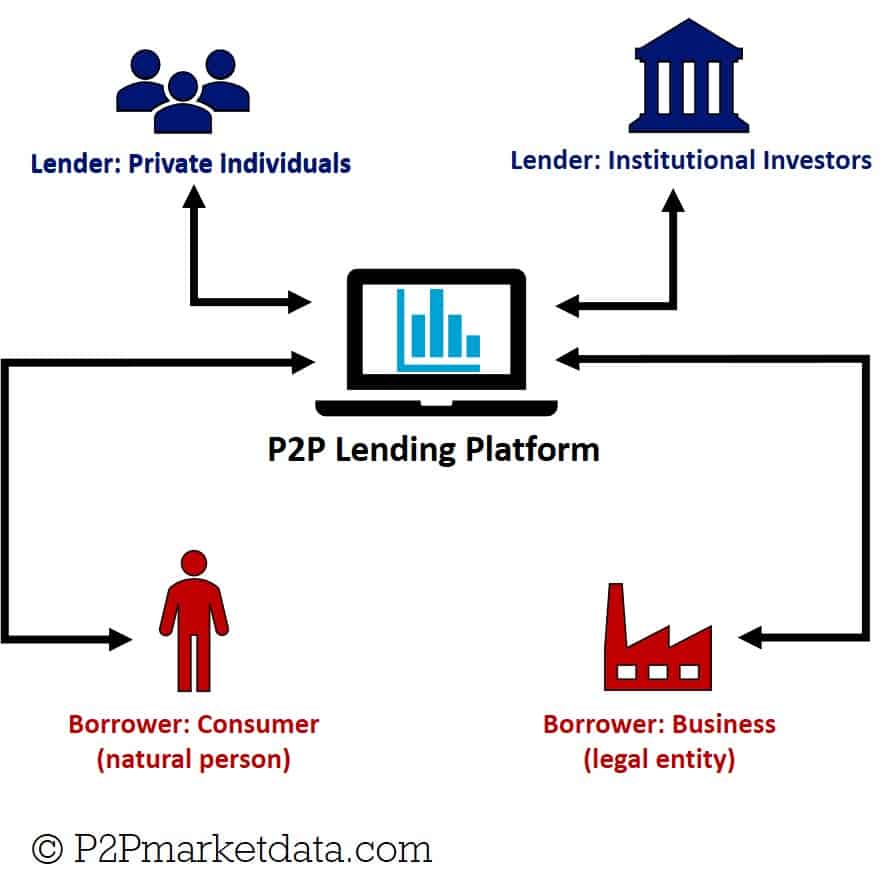
Credit: p2pmarketdata.com
Legality of P2P Lending
Peer to peer lending is generally legal in many countries, including the United States, United Kingdom, Canada, Australia, and many others. However, it’s important to note that regulations and requirements can differ significantly from one jurisdiction to another.
For example, in the United States, P2P lending platforms are required to register with the Securities and Exchange Commission (SEC) and must comply with strict regulations under the Securities Act of 1933. The platforms also need to adhere to the guidelines set forth by the Consumer Financial Protection Bureau (CFPB) to ensure consumer protection.
In the United Kingdom, the peer to peer lending industry is regulated by the Financial Conduct Authority (FCA), which sets out rules to ensure the fair treatment of customers and the stability of the financial system.
Before participating in peer to peer lending, it’s essential to understand the legal framework in your specific location and to ensure that the platform you are using is compliant with all relevant laws and regulations.

Credit: www.spiceworks.com
Risks and Regulations
While peer to peer lending can offer attractive returns for investors and provide an alternative source of funding for borrowers, there are risks associated with this form of investing and borrowing. It’s crucial to be aware of these risks and to understand the regulations put in place to mitigate them.
One of the major risks associated with P2P lending is the potential for default by the borrower. As a lender, there is a risk of not receiving the full repayment of the loan. To address this risk, some jurisdictions have implemented regulations to ensure that P2P lending platforms have measures in place to assess the creditworthiness of borrowers and to provide adequate information to lenders.
Additionally, regulations are often in place to protect investors and borrowers, including rules related to transparency, disclosure, and fair treatment. These regulations aim to safeguard the interests of all parties involved in peer to peer lending transactions.
Benefits of Legal P2P Lending
When peer to peer lending operates within the legal framework, it can offer numerous benefits to both investors and borrowers. For investors, P2P lending can present an opportunity to diversify their investment portfolios and potentially generate attractive returns, especially in a low-interest-rate environment.
On the other hand, borrowers can gain access to financing that may not be readily available through traditional means, and at potentially lower interest rates than those offered by banks or other financial institutions.
Legal P2P lending also promotes financial inclusion by providing access to credit for individuals and businesses that may have struggled to obtain loans from traditional lenders. Through effective regulation, there is the potential to foster a healthy and competitive lending market.
Frequently Asked Questions Of Is Peer To Peer Lending Legal?
Is Peer To Peer Lending Legal?
Peer to peer lending is legal in many countries, including the United States and the United Kingdom. However, the regulations vary, so it’s important to understand the specific laws in your jurisdiction.
How Does Peer To Peer Lending Work?
Peer to peer lending allows individuals to lend money directly to borrowers. It cuts out traditional financial institutions, enabling borrowers to obtain loans at potentially lower interest rates.
What Are The Benefits Of Peer To Peer Lending?
Peer to peer lending offers several benefits, such as higher returns for lenders, access to funding for borrowers with lower credit scores, and a simplified loan application process compared to traditional financial institutions.
What Are The Risks Of Peer To Peer Lending?
While peer to peer lending can be rewarding, there are risks involved. These include the possibility of default by borrowers, lack of government-backed deposit insurance, and potential financial instability of the platform itself.
Conclusion
Peer to peer lending is a growing sector of the financial industry, offering opportunities for both lenders and borrowers. However, it’s crucial to recognize that the legal status of P2P lending can vary significantly depending on the jurisdiction.
Before engaging in peer to peer lending, individuals should thoroughly research and understand the legal and regulatory requirements in their specific location to ensure compliance. By operating within the legal framework, P2P lending can potentially provide mutual benefits to all participants while promoting a competitive and sustainable financial landscape.