
Veterans without VA benefits can obtain health insurance through private providers or government programs like Medicare and Medicaid. It’s essential to explore available options for comprehensive coverage.
Many veterans may not qualify for VA benefits but still need health insurance. Private health insurance plans offer various coverage options tailored to individual needs, ensuring access to necessary medical services. Government programs like Medicare and Medicaid provide affordable alternatives, especially for older adults or those with low income.
Understanding the available options can help veterans make informed decisions about their healthcare. Comparing plans, considering costs, and evaluating benefits is crucial for finding the best coverage. Veterans should also explore any state-specific programs that might offer additional support or discounts.
Private Health Insurance
Veterans without VA benefits often need private health insurance. This guide helps you understand your options and make informed choices.
Popular Plans
Several private health insurance plans are popular among veterans. These include:
- Health Maintenance Organization (HMO) Plans: Require you to use a network of doctors and hospitals.
- Preferred Provider Organization (PPO) Plans: Offer more flexibility in choosing healthcare providers.
- Exclusive Provider Organization (EPO) Plans: Similar to PPOs but do not cover out-of-network care.
- Point of Service (POS) Plans: Combine features of HMOs and PPOs with different coverage levels.
Cost Considerations
Cost is a major factor in choosing private health insurance. Costs can include:
| Cost Type | Description |
|---|---|
| Premiums | Monthly fee for the insurance plan. |
| Deductibles | Amount you pay before the insurance covers expenses. |
| Co-payments | Fixed fee for specific services like doctor visits. |
| Co-insurance | Percentage of costs you share with the insurer after the deductible. |
| Out-of-Pocket Maximum | Maximum amount you pay in a year. |
Understanding these costs can help you budget effectively.
Choosing the right plan involves balancing coverage and cost. Make sure to review all the details before deciding.
Credit: www.macvso.org
Medicaid And Medicare
Many veterans without VA benefits can still get health insurance. Medicaid and Medicare are two government programs that help. These programs offer coverage options for veterans in need.
Eligibility Criteria
Understanding the eligibility criteria for Medicaid and Medicare is crucial. Here’s a breakdown:
| Program | Age Requirement | Income Requirement | Other Criteria |
|---|---|---|---|
| Medicaid | No age limit | Varies by state | Must be a U.S. citizen or legal resident |
| Medicare | 65 or older | No income limit | Or under 65 with a disability |
Application Process
Applying for Medicaid and Medicare involves several steps. Here is a simple guide:
- Gather necessary documents: ID, income proof, and medical history.
- Visit the official Medicaid or Medicare website.
- Fill out the online application form.
- Submit the form along with your documents.
- Wait for approval, which may take a few weeks.
Both programs have customer support to help you. You can call them for any questions or assistance.
Veterans can still find health coverage through these programs. Explore your options and apply if you qualify.
Community Health Programs
Veterans without VA benefits often need alternative health care options. Community health programs can help bridge the gap. These programs offer essential medical services at local clinics and affordable care solutions.
Local Clinics
Many local clinics provide medical services to veterans. These clinics often partner with community organizations to offer comprehensive care. Services include routine check-ups, vaccinations, and mental health counseling.
Local clinics focus on personalized care tailored to each veteran’s needs. They ensure that veterans receive timely medical attention. Clinics also help veterans navigate healthcare systems and connect with specialists if needed.
Affordable Care
Community health programs aim to provide affordable care for veterans. They understand the financial challenges many veterans face. These programs often offer sliding scale fees based on income.
Veterans can access a range of affordable services, including:
- Primary care visits
- Prescription medications
- Diagnostic tests
- Specialist consultations
Affordable care programs also educate veterans about preventive health measures. This helps reduce long-term healthcare costs and improves overall well-being.
Local clinics and affordable care options are crucial for veterans without VA benefits. Community health programs ensure they receive the medical attention they deserve.
Non-profit Organizations
Non-profit organizations play a vital role in providing health insurance for veterans without VA benefits. These organizations offer various resources and services to ensure veterans receive the care they deserve. Their support can be crucial for veterans facing financial difficulties or lacking access to government benefits.
Veteran Support Groups
Veteran support groups provide emotional and mental support. They connect veterans with others who understand their experiences. This sense of community can be incredibly healing.
- Peer support: Veterans can share stories and advice.
- Resource sharing: Groups often share information about available health services.
- Advocacy: Support groups advocate for better health policies for veterans.
These groups can help veterans find the right health insurance plans. They often work with non-profits to ensure every veteran gets the care they need.
Health Services
Many non-profit organizations offer direct health services to veterans. These services include medical care, mental health support, and preventive care.
| Service | Description |
|---|---|
| Medical care | Basic health check-ups and specialist visits. |
| Mental health support | Counseling and therapy sessions. |
| Preventive care | Vaccinations and health screenings. |
These services can be life-saving for veterans without VA benefits. They ensure veterans stay healthy and receive timely care.
Short-term Health Plans
Short-term health plans can be a great option for veterans without VA benefits. These plans offer temporary coverage, usually for up to a year. They can bridge the gap while you find a more permanent solution.
Coverage Details
Short-term health plans cover basic medical needs. They often include:
- Doctor visits
- Emergency care
- Hospital stays
- Prescription drugs
These plans usually have a lower premium. But they may come with high deductibles. It’s important to read the fine print. Some conditions might not be covered. Pre-existing conditions are often excluded.
Benefits And Limitations
Short-term health plans offer several benefits:
- Quick approval: You can get coverage fast, sometimes within days.
- Flexible terms: Choose coverage for a few months or up to a year.
- Lower premiums: These plans often cost less than long-term plans.
But there are limitations too:
- Limited coverage: Not all medical needs are covered.
- High out-of-pocket costs: Deductibles and co-pays can be high.
- No renewal guarantee: You may not be able to renew the plan.
Short-term health plans are a temporary solution. They are best used while seeking long-term coverage.

Credit: news.va.gov
Telehealth Services
Telehealth services have revolutionized healthcare for veterans without VA benefits. These services provide accessible and cost-effective medical care. They are especially beneficial for veterans who live in remote areas or have mobility issues. Telehealth services ensure that veterans receive the care they need without leaving their homes.
Access And Convenience
Telehealth services offer unparalleled access and convenience for veterans. They can consult with healthcare providers through video calls or phone calls. This means they don’t need to travel long distances to receive medical care.
Telehealth platforms are user-friendly. Veterans can schedule appointments at their convenience. This flexibility is crucial for those with busy schedules or family responsibilities.
Many telehealth services also offer 24/7 availability. Veterans can get medical advice anytime, even during emergencies. This is particularly useful for those with chronic conditions or acute health concerns.
Cost-effective Solutions
Telehealth services provide cost-effective solutions for veterans without VA benefits. Traditional healthcare visits can be expensive. Telehealth services often have lower consultation fees. This makes healthcare more affordable for veterans.
Telehealth reduces the need for travel, saving money on transportation. This is especially beneficial for veterans living in rural areas. They don’t have to bear the costs of long-distance travel.
Many telehealth services accept various insurance plans. This ensures that veterans receive the best care without financial strain. Some telehealth services also offer discounts or sliding scale fees based on income.
Credit: www.politifact.com
Frequently Asked Questions
What Are Non-va Health Insurance Options?
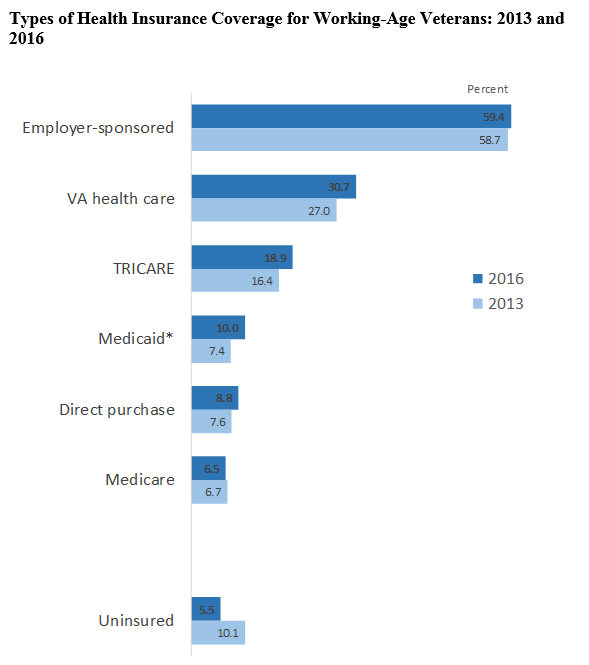
Non-VA health insurance options include private insurance, employer-sponsored plans, Medicaid, and Medicare.
Can Veterans Get Medicaid Without Va Benefits?
Yes, veterans can qualify for Medicaid based on income and other eligibility criteria.
How To Apply For Private Health Insurance?
You can apply through the Health Insurance Marketplace or directly with insurance providers.
Are Veterans Eligible For Medicare?
Veterans aged 65 or older are eligible for Medicare, regardless of VA benefits status.
Can Veterans Use Employer-sponsored Health Plans?
Yes, veterans can use employer-sponsored health plans if they meet the employer’s eligibility criteria.
Conclusion
Finding health insurance as a veteran without VA benefits can be challenging. Explore all available options to ensure coverage. Private insurance, Medicaid, and state programs can provide necessary protection. Always compare plans to get the best deal. Your health is paramount; prioritize securing suitable health insurance.