
Are you curious about how cutting-edge technology is reshaping Islamic finance? Imagine having smarter tools that help you navigate financial decisions while strictly following Shariah principles.
AI in Islamic finance is not just a buzzword—it’s a powerful force making compliance easier, detecting fraud faster, and personalizing your financial experience like never before. If you want to understand how this fusion of faith and technology can impact your money and the broader Islamic economy, keep reading.
This article will reveal how AI is transforming Islamic finance and why it matters to you.
Ai In Shariah Compliance
AI plays a crucial role in ensuring Shariah compliance within Islamic finance. It helps institutions follow Islamic laws strictly. This technology supports transparency and trust in financial dealings. AI brings precision and speed to processes that were once manual and slow.
Using AI, Islamic finance firms can better monitor and enforce Shariah rules. This technology can analyze large data sets to detect any non-compliant activities. It reduces errors and the risk of overlooking important compliance details. AI strengthens the overall integrity of Islamic financial products and services.
Automating Compliance Processes
AI automates many routine tasks in Shariah compliance. It scans contracts and transactions to ensure they meet Islamic principles. This automation speeds up approval times and lowers operational costs. AI systems continuously update with new regulations, keeping compliance current. It also helps detect violations early, preventing bigger problems.
Ai For Shariah Advisory
AI supports Shariah scholars by providing detailed analysis quickly. It reviews complex financial documents against Islamic law efficiently. This allows scholars to focus on critical decisions and interpretations. AI can simulate outcomes of financial products to ensure they align with Shariah. It acts as a powerful tool for informed advisory services.
Ensuring Ethical Standards
AI helps maintain high ethical standards in Islamic finance. It identifies and flags any unethical or non-compliant behavior. This oversight builds confidence among investors and customers. AI promotes fairness and justice, core values in Islamic finance. It ensures all financial activities adhere strictly to moral guidelines.
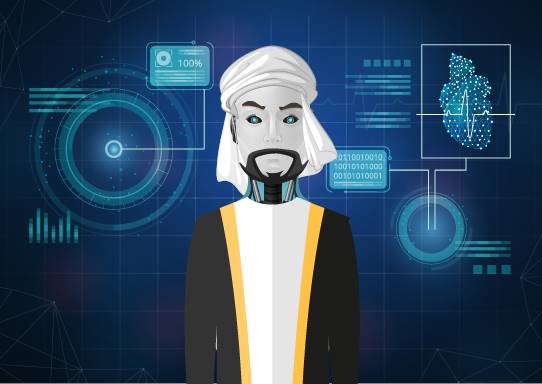
Credit: islamicfinanceconnect.com
Enhancing Risk And Fraud Management
Artificial intelligence (AI) improves risk and fraud management in Islamic finance. It helps identify unusual patterns and potential threats faster than traditional methods. Islamic financial institutions use AI tools to protect assets and ensure compliance with Shariah laws.
AI systems analyze large data sets quickly. This ability supports better decision-making and reduces human error. Enhanced risk management builds trust among customers and stakeholders. It also helps maintain the ethical standards central to Islamic finance.
Ai-driven Fraud Detection
AI detects fraud by recognizing suspicious behavior in transactions. It scans data in real-time to flag anomalies that may indicate fraud. Machine learning models learn from past fraud cases to improve accuracy. This reduces false alarms and speeds up investigations. Islamic banks use AI to protect customer funds and ensure secure transactions.
Improving Risk Assessment
AI evaluates risks by analyzing financial data and market trends. It offers precise risk scores that guide lending and investment decisions. These insights help Islamic finance institutions avoid risky deals. AI tools also monitor creditworthiness and payment behavior continuously. This proactive approach minimizes losses and supports stable growth.
Boosting Transparency With Ai
Transparency is vital in Islamic finance to maintain trust and fairness. AI enhances transparency by providing clear audit trails and detailed reports. It tracks every transaction and decision for easy review. Smart contracts powered by AI ensure all parties follow agreed terms. This technology aligns financial practices with Shariah principles, promoting ethical conduct.
Operational Efficiency And Innovation
Artificial Intelligence (AI) is reshaping Islamic finance by improving how organizations operate and innovate. It drives operational efficiency while respecting Islamic principles. This balance helps Islamic financial institutions serve customers better and create new financial products.
AI tools analyze data faster than humans, reducing errors and saving time. They also help tailor services to meet individual needs. AI supports innovation by enabling creative solutions within Shariah guidelines.
Streamlining Financial Operations
AI automates routine tasks like transaction processing and compliance checks. It reduces manual work and speeds up approvals. This leads to fewer mistakes and lower costs.
For example, AI can quickly verify if financial contracts meet Islamic law. It also monitors transactions to detect fraud or unusual activity. These improvements increase trust and transparency in Islamic finance.
Personalizing Customer Services
AI analyzes customer data to understand preferences and behaviors. This allows Islamic banks to offer personalized advice and products. Customers receive suggestions that match their financial goals and values.
Chatbots powered by AI provide instant answers to common questions. They improve customer experience by offering 24/7 support. Personalization helps build stronger relationships between banks and clients.
Fostering Financial Innovation
AI enables the development of new financial products compliant with Shariah law. It helps design ethical investment portfolios and risk management tools. These innovations attract more customers to Islamic finance.
Machine learning models predict market trends and customer needs. This insight supports smarter decision-making and product creation. AI encourages continuous improvement and competitiveness in the sector.

Credit: www.researchgate.net
Ai Governance In Islamic Finance
AI governance in Islamic finance ensures that artificial intelligence systems comply with Islamic laws. It manages risks and ethical concerns in AI applications. Proper governance helps maintain trust and transparency in financial services. It guides the design and use of AI tools to align with Islamic values and legal requirements.
Aligning Ai With Shariah Principles
AI solutions must respect Shariah principles like fairness and transparency. These principles forbid interest, excessive uncertainty, and unethical behavior. AI systems should avoid bias and ensure justice in financial decisions. Experts review AI processes to confirm compliance with Islamic law. This alignment builds confidence among users and regulators.
Addressing Algorithmic Challenges
Algorithms may unintentionally create unfair outcomes or errors. Detecting and correcting such issues is vital for Islamic finance. Developers must monitor AI to prevent discrimination and ensure accuracy. They need to understand both technical and religious requirements. Clear explanations of AI decisions help maintain ethical standards.
Developing Responsible Ai Frameworks
Islamic finance institutions create frameworks to guide AI use responsibly. These frameworks set rules for transparency, accountability, and data privacy. They promote collaboration between AI experts and Shariah scholars. Ongoing evaluation improves AI practices and risk management. Responsible AI frameworks support sustainable and ethical finance.
Future Trends And Challenges
The future of AI in Islamic finance holds exciting possibilities and real challenges. Advancements in technology promise better services and stronger compliance. Yet, aligning AI with Islamic principles remains complex. Understanding upcoming trends helps prepare for these changes.
Innovations like generative AI offer new ways to support Shariah advisory. Balancing digital tools with religious values requires careful thought. Expanding AI use in Islamic markets brings both growth and responsibility.
Integrating Generative Ai Models
Generative AI models create human-like text and predictions. They can assist scholars in interpreting Shariah law quickly. These models help draft contracts and analyze financial data faster. Ensuring their outputs follow Islamic rules is essential. Training AI with Islamic finance data improves accuracy and relevance.
Balancing Technology And Faith
Islamic finance depends on strict adherence to Shariah principles. AI systems must respect these rules to gain trust. Transparency in AI decisions is crucial for compliance. Ethical concerns arise if AI ignores religious guidelines. Collaboration between tech experts and Islamic scholars is necessary. This balance safeguards both innovation and faith values.
Expanding Ai Adoption In Islamic Markets
Many Islamic markets show growing interest in AI technologies. AI can streamline banking, insurance, and investment processes. It helps identify risks and prevent fraud more effectively. Small and medium enterprises also benefit from AI-driven financial tools. Wider adoption faces hurdles like infrastructure and skilled workforce. Education and regulation will play key roles in supporting growth.

Credit: iqra.study
Frequently Asked Questions
What Is Ai’s Role In Islamic Finance Today?
AI streamlines compliance, enhances fraud detection, and improves operational efficiency in Islamic finance. It helps maintain Shariah principles while modernizing financial services.
How Does Ai Ensure Shariah Compliance In Finance?
AI uses algorithms to automatically check transactions against Shariah rules, ensuring ethical standards and avoiding prohibited activities like interest (riba).
Can Ai Improve Risk Management In Islamic Banking?
Yes, AI analyzes large datasets to predict risks accurately, helping Islamic banks manage credit, market, and operational risks effectively.
How Is Ai Transforming Customer Experience In Islamic Finance?
AI personalizes financial products and automates customer service, offering tailored advice aligned with Islamic values for a better client experience.
Conclusion
AI is reshaping Islamic finance with smart, ethical solutions. It helps ensure compliance with Shariah rules clearly and quickly. Fraud detection improves, protecting both banks and customers. AI also personalizes services, making finance easier for many people. The future of Islamic finance looks more efficient and fair.
Embracing AI means better decisions and stronger trust. This blend of technology and faith creates new opportunities. Islamic finance can grow while staying true to its values. The journey has just begun, and possibilities are vast.