Are you looking to buy a home but want to make sure your financing aligns with your faith? Finding the best Islamic banks for home finance can feel overwhelming, especially when you want a mortgage that is truly halal and free from interest (riba).
But don’t worry—you’re in the right place. You’ll discover trusted Islamic banks that offer home financing options designed to respect Shariah principles while helping you secure your dream home. Keep reading, and you’ll learn how to choose the right Islamic bank that fits your needs and makes your home-buying journey both smooth and spiritually sound.
:max_bytes(150000):strip_icc()/islamicbanking.asp-FINAL-a44177c529d24b97a0a4e857d65253cf.png)
Credit: www.investopedia.com
Top Islamic Banks For Home Finance
Choosing the right Islamic bank for home finance is important. Islamic home financing avoids interest and follows Shariah principles. Many banks offer these services worldwide. Each country has its own leading providers. This guide highlights top Islamic banks for home finance in key regions.
Leading Providers In The Usa
Guidance Residential is a top choice in the USA. It offers riba-free home financing that fits Islamic law. Their plans focus on shared ownership models. This helps Muslims buy homes without interest.
University Islamic Financial also serves many customers. It provides flexible Islamic mortgages with clear terms. Both banks have strong reputations and good customer support.
Popular Choices In The Uk
Gatehouse Bank leads the UK market for Islamic home finance. It provides Shariah-compliant mortgages with transparent fees. Strideup is another popular option. It offers competitive Islamic mortgage products with easy application processes.
These banks focus on ethical financing. They avoid riba and comply fully with Islamic guidelines. Many UK Muslims trust them for home buying.
Key Players In Pakistan
Meezan Bank is Pakistan’s largest Islamic bank. It offers easy home financing with Shariah approval. HBL Islamic Bank also provides popular home loan products. Both banks have wide branch networks and tailored solutions.
Bank Alfalah Islamic and Al Baraka Bank Pakistan are growing players. They offer flexible plans to support home ownership. These banks help many families finance homes responsibly.
Shariah-compliant Financing Models
Shariah-compliant financing models provide ethical and interest-free options for home buyers. These models follow Islamic laws that forbid paying or receiving interest (riba). Instead, they use partnership, trade, or lease-based structures to finance homes. Each model offers a unique way to own a home without violating religious principles. Understanding these can help Muslims find the best Islamic banks for home finance.
Musharakah (co-ownership)
Musharakah means partnership or joint ownership. In this model, the bank and the buyer buy the property together. The buyer gradually buys the bank’s share over time. Payments include rent for the bank’s share and installments to buy equity. This model encourages shared risk and reward between the bank and buyer. It suits those who want gradual ownership without interest.
Murabaha (cost-plus Markup)
Murabaha is a cost-plus sale agreement. The bank buys the property and sells it to the buyer at a higher price. This price includes a fixed profit margin agreed upfront. The buyer pays the total amount in installments over time. This method avoids interest by focusing on a clear sale price. It is simple and easy to understand for home buyers.
Ijara (leasing Model)
Ijara means leasing or renting. The bank buys the property and leases it to the buyer. The buyer pays monthly rent and agrees to buy the property at lease end. This model separates ownership and use, avoiding interest charges. It works well for buyers who want to lease before owning their home. The lease payments cover the bank’s costs and profit.
Features Of Islamic Home Loans
Islamic home loans offer unique benefits tailored to meet Shariah law requirements. These loans avoid interest, making them suitable for Muslims seeking halal financing. They come with features that support ethical banking and flexible ownership structures.
Understanding these features helps borrowers choose the right Islamic bank for home finance. Below are the key aspects that make Islamic home loans different and attractive.
Riba-free Structure
Islamic home loans do not charge interest, known as riba, which is forbidden in Islam. Instead, they use profit-sharing or lease-to-own models. This structure ensures compliance with Islamic principles and fairness in transactions.
The bank and borrower share the risks and rewards, creating a transparent and just system. This avoids hidden fees and surprises in repayment amounts.
Flexible Payment Plans
These loans offer flexible payment schedules to suit different financial situations. Borrowers can choose monthly, quarterly, or annual payments. Some plans allow early repayment without penalties.
The flexibility helps families manage their budgets and reduce financial stress. It also supports changing income levels over time.
Co-ownership Benefits
Islamic home finance often uses a co-ownership model called Musharakah. The bank and buyer jointly own the property until the loan is fully paid. This shared ownership reduces the burden on the borrower.
As payments are made, the buyer gradually increases their share in the property. This method encourages responsibility and transparency in home ownership.
How To Choose The Right Islamic Bank
Choosing the right Islamic bank for home finance is crucial for a smooth and worry-free experience. It involves more than just finding a Sharia-compliant option. You need to consider several factors to ensure the bank matches your financial needs and values. Understanding what to look for helps you make an informed decision and secure the best home finance deal.
Evaluating Trust And Reputation
Start by checking the bank’s reputation in the market. Look for years of experience and positive customer reviews. A trustworthy bank follows Islamic principles strictly and maintains transparency. Certification by recognized Sharia boards adds to its credibility. Trustworthy banks handle your finances with care and honesty.
Comparing Financing Rates
Islamic home finance uses profit-sharing or lease-to-own models instead of interest. Compare the profit rates or fees charged by different banks. Lower rates mean less financial burden over time. Pay attention to hidden charges and early payment penalties. Transparent and fair pricing ensures you pay only what is necessary.
Customer Service And Support
Good customer service makes the home finance journey easier. Choose a bank with responsive and helpful staff. They should answer questions clearly and provide guidance at every step. After-sales support is important for handling any issues during repayment. Friendly and professional support builds confidence and trust.
Benefits Of Islamic Home Financing
Islamic home financing offers many benefits that align with faith and financial goals. It ensures homebuyers follow religious rules while securing a property. This method supports ethical and fair financial dealings without compromising personal beliefs.
Many Muslims prefer Islamic home finance because it respects their values. The approach avoids interest and promotes shared risk between lender and borrower. These features make it a trusted choice for purchasing a home.
Compliance With Religious Principles
Islamic home financing strictly follows Shariah law. It avoids any transactions forbidden in Islam. The process respects the teachings of the Quran and Sunnah. Buyers can feel confident their financing is halal and ethical.
This compliance helps Muslims avoid doubts about their financial decisions. The contracts used are clear and transparent. They protect both the bank and the customer’s rights equally.
Avoidance Of Interest Charges
Islamic home finance does not involve interest or riba. Instead, it uses profit-sharing or leasing models. These alternatives replace traditional interest-based loans.
This avoids the conflict between earning money from money itself. It promotes fairness by linking profit to real assets. Homebuyers repay based on agreed terms without extra interest costs.
Ethical Investment Practices
Islamic banks invest only in ethical and lawful projects. They avoid industries like gambling, alcohol, and tobacco. This ensures funds support positive and socially responsible ventures.
Such practices build trust among customers and the community. The bank’s investments help promote economic growth without harm. This ethical focus aligns financing with the values of many Muslims.

Credit: www.youtube.com
Challenges And Criticisms
Islamic home financing offers a Shariah-compliant alternative to conventional mortgages. Despite its benefits, several challenges and criticisms affect its adoption. Understanding these issues helps potential borrowers make informed decisions. These challenges include limited availability, higher costs, and complex contract structures.
Limited Availability
Islamic home finance options are not widely available everywhere. Many banks do not offer Shariah-compliant products. This limits choices for Muslims seeking halal home financing. Some regions have only one or two providers. This scarcity can delay or complicate the home buying process.
Higher Costs Compared To Conventional Loans
Islamic home finance often comes with higher fees and charges. The profit margin replaces interest but can be more costly. Administrative and legal expenses add to the total cost. These factors make monthly payments higher than conventional loans. Borrowers should compare costs carefully before committing.
Complex Contract Structures
Contracts for Islamic home finance can be difficult to understand. They involve concepts like Murabaha, Ijara, or Musharakah. Each structure has unique terms and conditions. This complexity may confuse borrowers unfamiliar with Islamic finance. It often requires expert advice to fully grasp the contract details.
Steps To Apply For Islamic Home Finance
Applying for Islamic home finance follows clear and simple steps. These steps help you understand eligibility, prepare documents, and complete the approval process. Following these steps carefully increases your chances of success.
The process respects Islamic principles and avoids interest-based lending. It focuses on transparency and shared risk between you and the bank. Below are key stages to guide you through the application.
Pre-qualification Process
Start by checking your eligibility with the bank. They assess your income, credit history, and financial stability. This step helps you know the loan amount you can afford. Pre-qualification gives a clear idea without affecting your credit score.
Contact the bank or use their online tools for pre-qualification. This step saves time and avoids surprises later in the process.
Documentation Requirements
Prepare all necessary documents before applying. Common documents include proof of identity, income statements, and property details. Banks may also ask for employment verification and bank statements.
Make sure documents are accurate and up to date. This speeds up the review and approval process. Islamic banks may require additional papers related to Shariah compliance.
Approval And Disbursement
The bank reviews your application and documents carefully. They check compliance with Islamic finance rules and your ability to repay. Approval depends on fulfilling all conditions set by the bank.
Once approved, the bank arranges the disbursement of funds. Payments follow agreed schedules based on Islamic contracts. Stay in touch with the bank for smooth disbursement and further guidance.
Future Trends In Islamic Home Financing
The future of Islamic home financing promises significant changes. Sharia-compliant banks are adapting to new technologies and market needs. These developments aim to make home financing easier and more accessible for Muslims worldwide.
Understanding these future trends helps homebuyers and investors make informed decisions. The Islamic finance sector is evolving with clear focus areas that will shape its growth. Below are some key trends to watch in Islamic home financing.
Digital Innovations
Technology is transforming Islamic home financing. Online platforms allow quicker application and approval processes. Mobile apps provide easy access to account management and payment tracking. Artificial intelligence helps banks offer personalized financing options. Blockchain technology promises more transparent and secure transactions. These digital tools reduce paperwork and cut down processing times.
Growing Market Demand
More Muslims seek halal home financing solutions. Urbanization and population growth increase the need for affordable housing. Young buyers prefer ethical and Sharia-compliant products. Financial literacy programs raise awareness about Islamic finance benefits. Banks respond by expanding their product offerings. This growth creates new opportunities for both lenders and borrowers.
Regulatory Developments
Governments and financial authorities strengthen Islamic finance regulations. Clear rules improve consumer protection and market stability. Harmonized standards help banks operate across borders. Compliance with Sharia principles remains a top priority. Regulators encourage innovation while ensuring transparency. These developments build trust and confidence in Islamic home finance products.

Credit: www.youtube.com
Frequently Asked Questions
Which Banks Do Halal Mortgages?
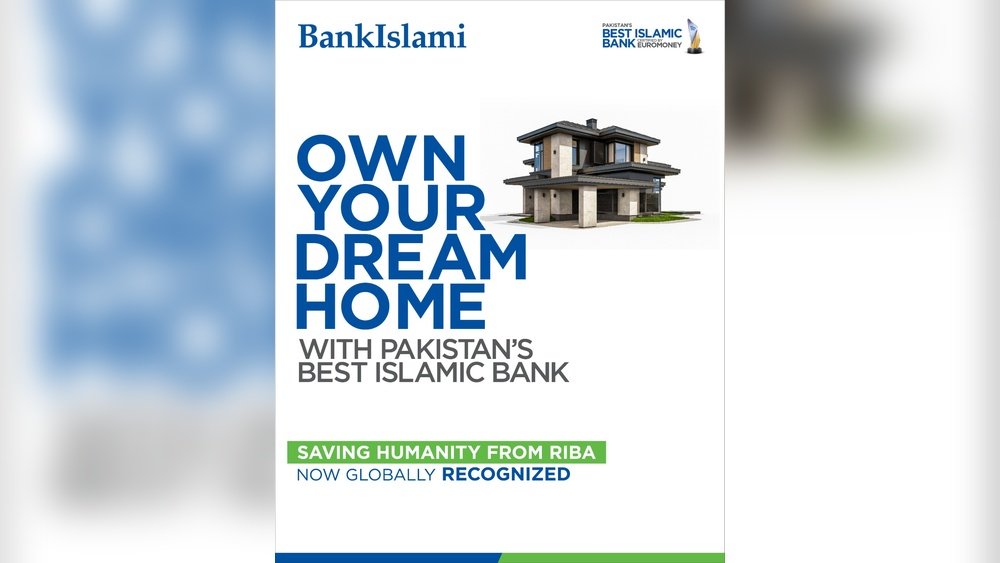
Gatehouse Bank and Strideup offer halal mortgages in the UK. In the US, Guidance Residential provides Sharia-compliant home financing. In Pakistan, Meezan Bank and BankIslami offer Islamic home loans. These banks ensure interest-free, Sharia-compliant mortgage solutions for Muslim homebuyers.
Can Muslims Finance A House?
Muslims can finance a house using Sharia-compliant mortgages. These avoid interest by using co-ownership or profit-sharing models. Many Islamic banks and lenders offer halal home financing options.
Which Bank Is Best For Home Financing?
Guidance Residential leads in Islamic home financing in the USA, offering riba-free, Sharia-compliant loans. Meezan Bank and HBL provide top home financing in Pakistan. Choose a bank with competitive rates, flexible terms, and trusted customer service for the best home financing experience.
What Is The 30% Rule In Islamic Finance?
The 30% rule in Islamic finance limits debt to 30% of a company’s total assets. It ensures financial stability and Shariah compliance.
Conclusion
Choosing the right Islamic bank can make home financing simpler and fair. These banks follow Shariah rules, avoiding interest and ensuring halal transactions. Compare different banks’ offers and services carefully before deciding. Consider your budget, loan terms, and customer support quality.
A clear understanding helps you find the best fit for your needs. Islamic home finance provides a respectful way to buy your dream house. Take your time and choose wisely for a secure financial future.