
Leasing a car can be an exciting experience. But, it comes with responsibilities. One of the most important responsibilities is getting the right car insurance. This article will guide you through car insurance for leased vehicles. You will learn what coverage you need and how to get the best deals.
What is Car Leasing?
Car leasing is a way to drive a new car without buying it. You pay a monthly fee to use the car for a set period, usually 2 to 4 years. At the end of the lease, you return the car to the dealership. Leasing can be a good option if you like driving new cars and do not want to own a car for a long time.

Credit: www.bankrate.com
Why Do You Need Car Insurance for a Leased Vehicle?
When you lease a car, you do not own it. The leasing company owns the car. They want to protect their investment. That is why they require you to have car insurance. Car insurance helps cover the cost of damages if you have an accident. It also protects you from financial loss.
Types of Coverage You Need
When leasing a car, you need specific types of coverage. These include:
- Liability Insurance: This covers damages you cause to other people or property. It is required by law in most states.
- Collision Insurance: This covers damages to your leased car if you hit another car or object.
- Comprehensive Insurance: This covers damages to your car from events like theft, fire, or natural disasters.
- Gap Insurance: This covers the difference between what you owe on the lease and the car’s value if it is totaled.
Liability Insurance
Liability insurance is very important. It pays for damages you cause to others. This includes medical bills and repair costs. Most states require drivers to have liability insurance. The leasing company will also require it. Make sure you have enough coverage. The minimum required by law may not be enough. Consider getting higher limits to protect yourself.
Collision Insurance
Collision insurance pays for damages to your leased car. This includes accidents with other cars or objects. If you hit a tree or a fence, collision insurance will cover the repairs. The leasing company will require you to have collision insurance. It protects their car from damage.
Comprehensive Insurance
Comprehensive insurance covers damages from non-collision events. This includes theft, vandalism, fire, and natural disasters. If your car is stolen, comprehensive insurance will pay for a replacement. It also covers damages from events like hail or flooding. The leasing company will require comprehensive insurance. It protects their car from all types of damage.
Gap Insurance
Gap insurance is very important for leased vehicles. If your car is totaled, your regular insurance will pay the car’s value. But, you may owe more on the lease than the car is worth. Gap insurance covers the difference. It ensures you do not have to pay out of pocket. Many leasing companies require gap insurance. It protects you from financial loss.
How to Get the Best Car Insurance for a Leased Vehicle
Getting the right car insurance for a leased vehicle is important. Here are some tips to help you get the best coverage:
- Shop Around: Compare quotes from different insurance companies. This will help you find the best deal.
- Check Coverage Requirements: Make sure the policy meets the leasing company’s requirements.
- Consider Higher Limits: Get higher liability limits to protect yourself.
- Look for Discounts: Ask about discounts for good driving, safety features, or bundling policies.
- Read the Policy: Understand what is covered and what is not.
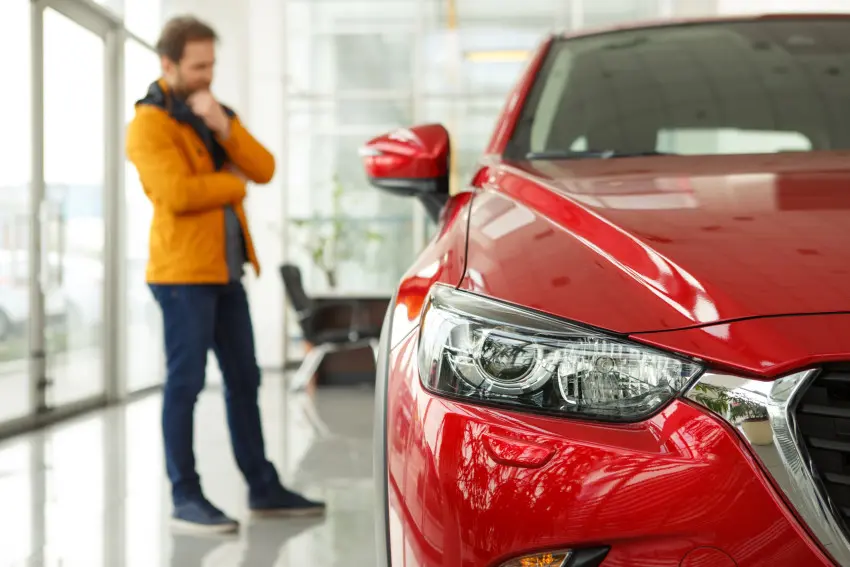
Credit: www.fbitn.com
Shopping for Car Insurance
Shopping for car insurance can be easy. Start by getting quotes from different insurance companies. You can do this online or by calling agents. Compare the quotes to find the best price. Make sure the policy meets the leasing company’s requirements. Look at the coverage limits and deductibles. Choose a policy that fits your needs and budget.
Checking Coverage Requirements
Before buying a policy, check the leasing company’s requirements. They will have specific coverage limits. Make sure the policy meets these limits. If it does not, you may have to pay out of pocket. Contact the leasing company if you have questions. They can tell you what coverage you need.
Considering Higher Limits
Liability insurance protects you from financial loss. But, the minimum limits may not be enough. Consider getting higher limits. This will give you more protection. If you cause a major accident, higher limits will cover more damages. It is worth the extra cost for peace of mind.
Looking for Discounts
Insurance companies offer many discounts. Ask about discounts for good driving, safety features, or bundling policies. Some companies offer discounts for having multiple cars or home and auto policies. Look for ways to save money. Every discount helps lower your premium.
Reading the Policy
Before buying, read the policy carefully. Understand what is covered and what is not. Look at the coverage limits and deductibles. Make sure you know how to file a claim. Contact the insurance company if you have questions. They can explain the policy to you.
Frequently Asked Questions
What Is Leased Vehicle Insurance?
Leased vehicle insurance is coverage required for cars leased from a dealership.
Do I Need Full Coverage On A Leased Car?
Yes, leasing companies typically require full coverage to protect their asset.
Can I Change My Insurance For A Leased Car?
Yes, you can switch insurance, but ensure it meets the lease agreement requirements.
Is Gap Insurance Necessary For Leased Cars?
GAP insurance is highly recommended to cover the difference between the car’s value and lease balance.
How Much Does Leased Car Insurance Cost?
Leased car insurance often costs more due to required comprehensive and collision coverage.
Conclusion
Car insurance for leased vehicles is very important. It protects you and the leasing company’s car. Make sure you have the right coverage. Shop around for the best deals. Check the leasing company’s requirements. Consider higher limits and look for discounts. Read the policy carefully. Following these tips will help you get the best car insurance for your leased vehicle.