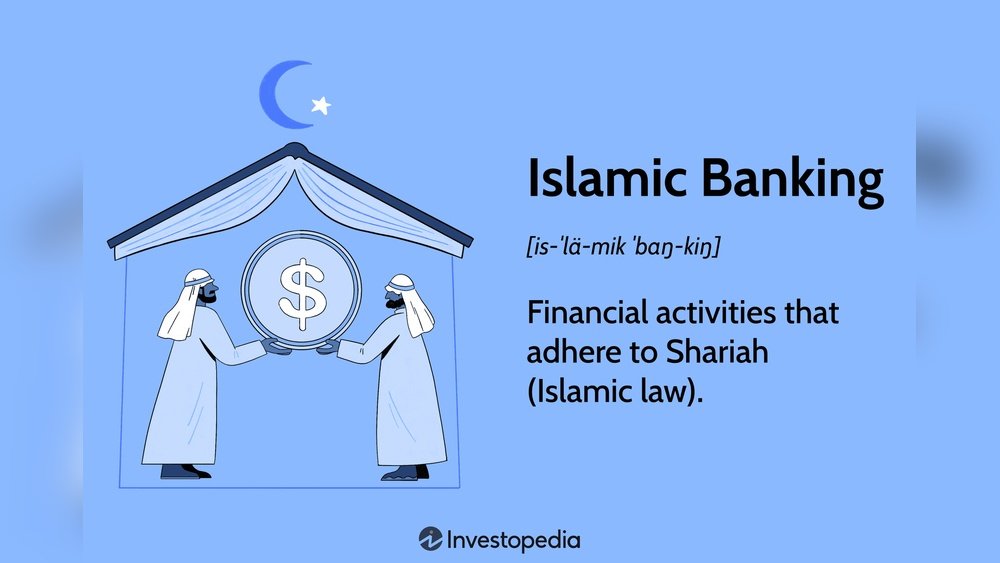
Are you curious about how finance can align with your values and beliefs? Halal finance offers a unique way to manage your money that follows clear ethical rules.
It avoids interest and prohibits investing in harmful industries, giving you peace of mind that your finances are both responsible and respectful. You’ll discover exactly what halal finance means, how it works, and why it might be the right choice for you.
Keep reading to unlock simple explanations and practical insights that can help you take control of your financial journey the halal way.
Core Principles
Halal finance follows specific rules rooted in Islamic law. These core principles guide how money is managed and invested. The aim is to ensure fairness and ethical behavior in all financial dealings. Understanding these principles helps clarify how halal finance works differently from conventional finance.
No Interest Charges
In halal finance, charging or paying interest is forbidden. This rule is called the prohibition of “riba.” Instead of earning fixed interest, profit comes from real business activities. This ensures money is earned through effort, not just from lending.
Avoiding Prohibited Industries
Halal finance avoids investing in industries against Islamic teachings. These include alcohol, gambling, pork products, and weapons manufacturing. This ensures investments support ethical and socially responsible businesses.
Profit And Loss Sharing
Halal finance promotes sharing both profits and losses between parties. This principle creates fairness and reduces risk for everyone involved. It encourages partnerships where all share the outcome of business ventures.
Key Financial Products
Halal finance offers a range of financial products that comply with Islamic law. These products avoid interest and unethical investments. They provide ethical options for Muslims and others seeking responsible finance. Understanding key financial products helps you see how halal finance works practically.
Islamic Mortgages
Islamic mortgages do not charge interest. Instead, the bank buys the property and sells it to you at a higher price. You pay this amount in fixed installments over time. The bank may also rent the property to you until you fully own it. This system avoids interest while allowing home ownership.
Sukuk Bonds
Sukuk bonds are similar to traditional bonds but follow Islamic rules. They represent ownership in an asset or project. Investors earn profits from the asset rather than interest. These bonds fund real economic activities and avoid forbidden industries. Sukuk provide a halal way to invest in debt markets.
Halal Investment Funds
Halal investment funds only invest in ethical companies. These funds exclude businesses involved in alcohol, gambling, or pork products. They focus on industries allowed by Islamic law. Investors share profits but avoid interest-based earnings. Halal funds offer a clear conscience and financial growth.
Ethical Wealth Building
Ethical wealth building is more than just growing money. It means making financial choices that respect moral and social values. Halal finance offers a way to build wealth that aligns with these principles. It avoids harm and promotes fairness in every transaction. This approach helps individuals invest and save with a clear conscience.
Aligning Finance With Values
Halal finance connects money management with personal beliefs. It forbids earning interest or investing in harmful industries. Instead, it supports businesses that benefit society. This alignment brings peace of mind and trust in financial decisions. People feel confident their money reflects their ethics.
Socially Responsible Investing
Investing in halal finance means choosing companies that act responsibly. It excludes sectors like alcohol, gambling, and weapons. Socially responsible investing promotes fairness, transparency, and respect. It supports businesses that care for communities and the environment. This way, investments create positive social impact.
Long-term Financial Sustainability
Halal finance focuses on steady, sustainable growth over quick profits. It encourages sharing risks and rewards fairly. This reduces financial bubbles and harmful speculation. Long-term sustainability helps preserve wealth for future generations. It builds a strong foundation for lasting financial security.

Credit: www.youtube.com
Benefits Of Halal Finance
Halal finance offers unique benefits that appeal to many individuals and businesses. It aligns financial practices with ethical and religious principles. This approach promotes trust and justice in transactions. Many find halal finance more transparent and fair. It also encourages shared responsibility and opens doors to new markets.
Transparency And Fairness
Halal finance requires clear and honest communication. All terms and conditions must be fully disclosed. This openness helps prevent misunderstandings and disputes. It ensures no hidden fees or unfair charges. Fairness is central to halal financial contracts. Both parties share profits and losses fairly, creating balanced agreements.
Risk Sharing Mechanisms
Risk sharing is a key feature of halal finance. Instead of charging interest, profit and loss are shared. This reduces the burden on any one party. It encourages cooperation and partnership between investors and entrepreneurs. Risk sharing aligns the interests of all involved. It supports stable and sustainable financial growth.
Access To New Markets
Halal finance opens access to a growing market of ethical investors. It attracts customers looking for Sharia-compliant products. Businesses can expand into Muslim-majority regions and communities. This access can lead to new business opportunities. It promotes financial inclusion for underserved groups worldwide.
Challenges And Misconceptions
Halal finance faces various challenges and misconceptions that affect its growth and acceptance. Understanding these issues helps clarify what halal finance truly means. Many people confuse halal finance with conventional finance or have unrealistic expectations. There are also legal and market obstacles that slow down its adoption. Let’s explore some common myths, regulatory hurdles, and market availability concerns.
Common Myths
Many believe halal finance means no profit or growth. This is incorrect. Halal finance allows profit but forbids interest (riba). Some think halal finance is only for Muslims. Actually, it can serve anyone seeking ethical financial solutions. Another myth is that halal finance is less reliable or flexible. In truth, it follows strict rules but offers competitive products.
Regulatory Hurdles
Halal finance faces legal challenges in many countries. Laws may not clearly recognize Islamic contracts and structures. This causes delays in product approvals and limits innovation. Regulators often lack understanding of halal finance principles. Banks and financial firms find it hard to comply with both local laws and Sharia rules. These issues restrict halal finance growth globally.
Market Availability
Halal finance products are limited in many regions. Few banks offer fully Sharia-compliant services. This reduces consumer choice and confidence. Some markets lack trained professionals to develop halal finance solutions. Awareness and education about halal finance remain low. As demand grows, more providers are expected to enter the market.
Global Trends
Halal finance is growing fast across the world. More people seek financial products that follow Islamic law. This global trend shows a shift in how finance adapts to diverse needs and beliefs.
Understanding these trends helps grasp the future of halal finance. It also reveals opportunities for investors and consumers everywhere.
Growth In Islamic Finance
Islamic finance has seen steady growth over the past decade. Assets under management continue to rise yearly. This growth comes from increasing demand in Muslim-majority countries.
New Islamic banks and financial institutions are launching regularly. Governments support this growth through favorable regulations. The market size is expected to double soon.
Halal Finance In Non-muslim Countries
Halal finance is not limited to Muslim countries anymore. Non-Muslim countries now offer Islamic financial products. Banks in Europe, North America, and Asia provide halal mortgages and investments.
These products attract diverse customers seeking ethical finance options. This trend promotes financial inclusion and broadens market reach globally.
Technological Innovations
Technology plays a key role in halal finance’s expansion. Fintech companies develop apps and platforms tailored for halal compliance. These tools simplify access to Islamic financial services.
Blockchain and smart contracts improve transparency and trust. Digital solutions help reduce costs and speed up transactions. Technology makes halal finance more accessible to everyone.
Getting Started
Starting with halal finance means understanding its core principles. It focuses on ethical money management following Islamic law. This approach avoids interest and investments in forbidden industries. To begin, choose services that match your values. Check that financial products follow Shariah rules. Seek advice from knowledgeable experts to guide your decisions.
Choosing Halal Financial Services
Select financial providers who clearly offer halal options. Look for banks and funds that avoid interest-based products. Make sure they do not invest in alcohol, gambling, or pork industries. Read product descriptions carefully to confirm they follow Islamic guidelines. Choose services with transparent terms and fair profit methods.
Evaluating Shariah Compliance
Check if the service uses a Shariah board or advisors. These experts ensure all transactions meet Islamic law. Review their compliance reports or certifications if available. Understand how profits are shared without charging interest. Confirm the investments avoid prohibited sectors and activities.
Consulting With Experts
Talk to Islamic finance specialists for personalized advice. Experts can explain complex rules in simple terms. They help you understand contracts and profit-sharing methods. Consulting saves you from unknowingly breaking Shariah principles. Seek guidance from trusted scholars or financial advisors familiar with halal finance.

Credit: www.youtube.com
:max_bytes(150000):strip_icc()/Murabaha-FINAL-0d5a19c514774b8589be11cab8204aa3.png)
Credit: www.investopedia.com
Frequently Asked Questions
How Does Halal Finance Work?
Halal finance follows Islamic law by avoiding interest (riba) and investing only in permissible (halal) assets. It uses profit-sharing, leasing, or asset-backed financing methods. Transactions ensure ethical, interest-free profits while complying with Sharia principles. This approach supports fair and responsible financial dealings.
What Does Halal Mean In Finance?
Halal finance means financial activities complying with Islamic law (Sharia). It prohibits interest (riba) and investments in unlawful (haram) industries like alcohol or pork. It promotes ethical, interest-free transactions and profit-sharing models that align with Islamic principles.
Do Muslims Get 0% Interest?
Muslims avoid paying or receiving interest (riba) as it is prohibited in Islamic law. Instead, they use profit-sharing or rent-based financing. Islamic finance offers alternative methods ensuring compliance with Sharia while generating lawful profits without charging interest.
What Is The 30% Rule In Islamic Finance?
The 30% rule in Islamic finance limits debt to 30% of a company’s total assets to ensure financial stability and Sharia compliance.
Conclusion
Halal finance offers a clear way to manage money ethically. It avoids interest and supports fair profit sharing. This system respects Islamic laws and values honesty. Many people find it a trustworthy choice for banking and investing. Understanding halal finance helps make better financial decisions.
It encourages responsible spending and saving habits. More individuals worldwide are exploring this option today. Halal finance blends faith with practical money management. It creates opportunities while following moral guidelines. Exploring halal finance can bring peace of mind and trust.