Are you looking for smart ways to grow your money without compromising your values? Halal investment opportunities offer just that—a chance to invest in ways that align with your faith and ethics.
But where do you start, and how can you be sure your investments truly follow halal principles? This guide will walk you through practical, easy-to-understand options that fit your lifestyle and financial goals. Keep reading to discover how you can make your money work for you—while staying true to what matters most.
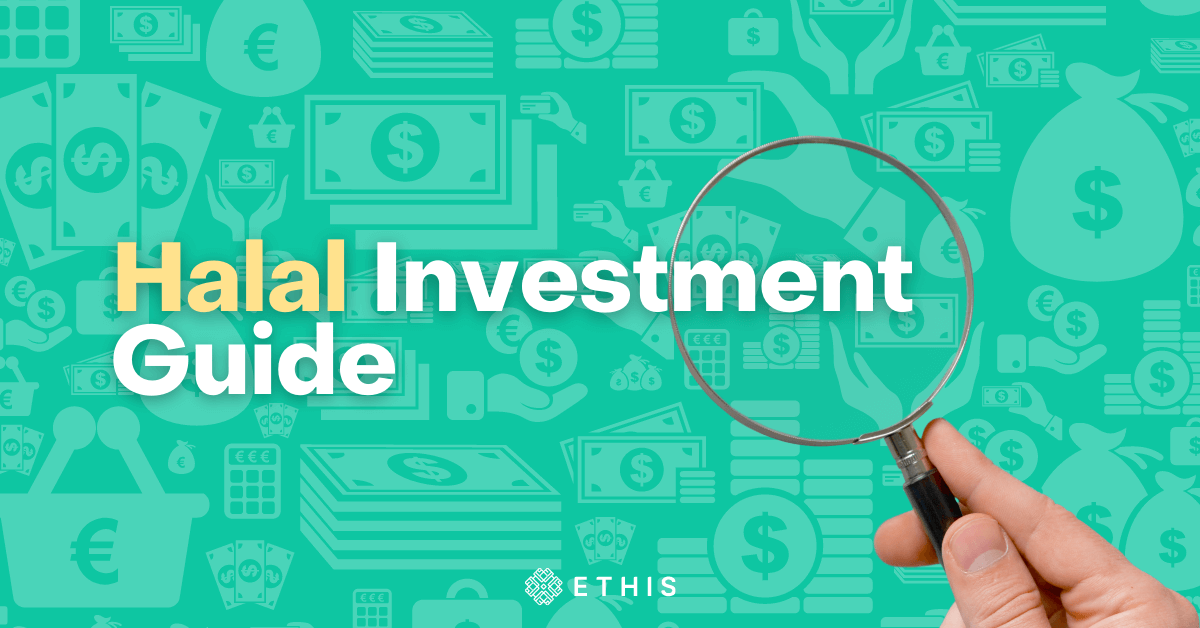
Credit: ethis.co
Halal Investment Principles
Halal investment principles guide Muslims to invest in ways that comply with Islamic law. These principles ensure investments are pure and ethical. They avoid practices forbidden in Islam and focus on fairness and justice.
Investors following halal principles seek to grow their wealth without compromising their faith. These guidelines shape the type of investments allowed and how profits are earned.
Avoiding Interest And Prohibited Sectors
One key principle is avoiding interest, known as “riba.” Islamic law forbids earning or paying interest in any form. Investments must not involve loans or bonds that generate fixed interest.
Halal investors also avoid sectors considered harmful or unethical. These include alcohol, gambling, pork products, and weapons manufacturing. By excluding these, investments remain pure and in line with Islamic values.
Ethical And Socially Responsible Criteria
Halal investments must promote ethical business practices. Companies must operate transparently and fairly. They should avoid exploitation or harm to people and the environment.
Social responsibility is important. Investments should support positive contributions to society. This includes fair wages, good working conditions, and environmental care. Such criteria help build a better world and align with halal values.
Halal Stocks And Etfs
Halal stocks and ETFs offer a way to invest while following Islamic principles. These investments avoid businesses that deal with alcohol, gambling, pork, or interest-based finance. Investors can grow their money ethically without compromising their values. Halal stocks and ETFs provide transparency and compliance with Shariah law.
Shariah-compliant Equities
Shariah-compliant equities are stocks screened to meet Islamic rules. Companies involved in forbidden sectors like tobacco or conventional banking are excluded. Financial ratios are checked to avoid excessive debt or interest income. These equities focus on ethical business models and social responsibility. Investors can choose from various industries that align with their beliefs.
Popular Halal Etfs In The Market
Halal ETFs bundle many Shariah-compliant stocks into one fund. This offers easy diversification and lower risk. Some popular halal ETFs track indexes designed for Islamic investors. These funds regularly review holdings to maintain compliance. Halal ETFs are available on major stock exchanges and attract growing interest worldwide.
Islamic Bonds And Sukuk
Islamic bonds, known as Sukuk, offer a unique way to invest while respecting Islamic law. These bonds avoid interest and focus on asset-backed financing. Investors gain returns from real economic activities, not fixed interest payments. Sukuk supports ethical investing by financing projects with tangible assets.
These financial tools are growing in popularity across global markets. They provide a halal alternative to conventional bonds. This makes them attractive for many seeking Sharia-compliant investment options. Understanding how Sukuk works helps investors make informed decisions.
Structure Of Sukuk
Sukuk represent ownership in a pool of assets or business ventures. Investors receive a share of profits generated by these assets. The structure involves a special purpose vehicle (SPV) to hold the assets. This SPV issues Sukuk certificates to investors.
Unlike traditional bonds, Sukuk do not pay interest. Instead, profits are distributed based on asset performance. The underlying assets must comply with Islamic law. This ensures the investment is free from prohibited activities.
Benefits Of Sukuk Investments
Sukuk investments provide steady income through profit sharing. The asset-backed nature reduces risk compared to unsecured bonds. These bonds often have strong government or corporate backing.
Investing in Sukuk supports ethical and socially responsible projects. They offer diversification benefits to investment portfolios. Many Sukuk also provide good liquidity in financial markets.
Overall, Sukuk combine financial returns with compliance to Islamic principles. This makes them a preferred choice for halal investors worldwide.

Credit: ibsintelligence.com
Real Estate Opportunities
Real estate offers strong halal investment opportunities. It provides a tangible asset that aligns with Islamic principles. Investors can diversify portfolios while avoiding interest-based earnings. Real estate investments tend to generate steady income through rent and value appreciation.
There are two main ways to invest in halal real estate. One is through Halal Real Estate Investment Trusts (REITs). The other is direct property investments. Each option suits different investor needs and goals.
Halal Real Estate Investment Trusts (reits)
Halal REITs pool money from many investors to buy properties. These trusts follow Islamic rules, avoiding interest and prohibited industries. Investors earn income from rental profits without managing properties themselves. Halal REITs are easy to buy and sell on stock exchanges. They offer liquidity and diversification with less capital needed.
These trusts invest in residential, commercial, or industrial properties. They screen tenants and businesses for halal compliance. Income is shared as dividends, which must be free from riba (interest). Halal REITs provide access to real estate markets without owning physical assets.
Direct Property Investments
Direct investment means buying and owning property personally. This approach gives full control over property choice and management. Investors can select homes, shops, or land that meet halal criteria. Rental income and capital gains are halal if no interest financing is used.
Investors should avoid mortgages with interest. Instead, they can use Islamic financing methods like Murabaha or Ijara. Direct property investment requires more effort to manage tenants and maintenance. It also demands larger capital compared to REITs. However, it offers potential for higher returns and personal involvement.
Precious Metals And Commodities
Precious metals and commodities have long been favored in halal investment portfolios. These tangible assets provide a way to preserve wealth without engaging in interest-based transactions. Their physical nature makes them easy to understand and trust.
Gold and silver, in particular, hold a special place in Islamic finance. They act as a hedge against inflation and currency fluctuations. Investors often turn to these metals to protect their capital during uncertain economic times.
Investing In Gold And Silver
Gold and silver can be bought as physical bars, coins, or certificates. Physical ownership ensures compliance with halal principles. Many investors prefer storing these metals securely in vaults or safe deposit boxes.
Trading gold and silver on commodity markets is also an option. Yet, it is crucial to avoid speculative trading that involves excessive uncertainty or gambling. Long-term holding aligns better with Islamic ethics.
Prices of precious metals tend to rise when stock markets fall. This makes them effective tools for diversifying a halal investment portfolio. Their limited supply supports their value over time.
Zakat Considerations
Zakat is an obligatory charity in Islam, calculated annually on certain assets. Gold and silver holdings must be assessed for zakat payment if they reach a specific threshold known as nisab.
The nisab for gold is 85 grams, while for silver it is 595 grams. Investors should weigh their total holdings against these amounts. Zakat is usually 2.5% of the total value held for one lunar year.
Keeping accurate records of purchase dates and quantities is vital. This helps ensure correct zakat calculation and timely payment. Paying zakat purifies wealth and fulfills religious duties.

Credit: investohalal.com
Halal Venture Capital And Private Equity
Halal venture capital and private equity offer unique investment paths aligned with Islamic principles. These options avoid interest and prohibited industries, ensuring ethical and compliant growth. Investors can support innovative companies while respecting religious values.
Supporting Ethical Startups
Halal venture capital funds focus on startups that follow ethical business models. These companies avoid forbidden sectors such as alcohol, gambling, and pork products. The goal is to back businesses that create positive social impact and follow Shariah law.
Investors gain exposure to early-stage companies with strong growth potential. This method encourages innovation without compromising religious beliefs. It also promotes transparency and fairness in business operations.
Private Equity With Shariah Compliance
Shariah-compliant private equity involves investing in established firms that meet Islamic finance rules. These firms avoid interest-based financing and unethical activities. Private equity investors work closely with companies to improve performance and ensure compliance.
Such investments provide long-term value and steady returns. The focus remains on ethical business practices and social responsibility. This approach aligns financial goals with faith-based principles, offering peace of mind to investors.
Savings And Income Investments
Savings and income investments offer a stable way to grow wealth over time. These investments focus on generating steady returns without taking high risks. They align well with halal principles, avoiding interest and unethical business sectors. Investors can protect their capital while earning income in a compliant manner. Understanding the options available helps in making smart financial choices.
Halal Savings Accounts
Halal savings accounts operate without interest. They use profit-sharing or fee-based models instead. This structure avoids riba, or interest, which is prohibited in Islam. Your money stays safe with banks that follow Islamic principles. These accounts offer liquidity and easy access to funds. Returns may be lower than conventional accounts but remain compliant. They suit cautious investors wanting ethical savings options.
Private Credit And Income Funds
Private credit and income funds invest in loans or debt-like instruments. These funds use contracts that comply with Islamic law. They avoid interest and invest only in halal businesses. Income comes from profit-sharing or leasing agreements. These funds diversify risk and aim for steady cash flow. They offer higher returns compared to savings accounts. Suitable for investors seeking moderate income with Shariah compliance.
Halal Investment Platforms
Halal investment platforms provide accessible ways to grow wealth while respecting Islamic principles. These platforms carefully screen opportunities to avoid interest (riba) and forbidden industries such as alcohol or gambling. They offer modern tools for Muslims to invest confidently and ethically.
These platforms simplify the process of halal investing by offering user-friendly interfaces and clear guidelines. Investors can easily find options that align with their values and financial goals. Technology plays a key role in making halal investments more available to everyone.
Online Halal Investing Tools
Online halal investing tools help users pick compliant stocks and funds quickly. They use algorithms to screen companies and financial products according to Islamic rules. These tools provide real-time data and reports, making investment decisions easier and more transparent.
Some platforms also offer robo-advisors that automatically manage portfolios within halal guidelines. This reduces the need for deep financial knowledge and saves time. Users can track their investments anytime using mobile apps or web portals.
Crowdfunding And Peer-to-peer Lending
Crowdfunding and peer-to-peer lending platforms create new halal investment possibilities. These platforms connect investors directly with entrepreneurs or borrowers, often supporting small businesses or real estate projects.
They follow strict Shariah compliance by avoiding interest and unethical ventures. Instead, profits come from profit-sharing or rental income. This approach offers a community-driven way to invest with lower minimum amounts and more transparency.
Screening And Monitoring Investments
Screening and monitoring investments form the backbone of halal investment strategies. These processes help ensure investments align with Islamic principles and ethical standards. Investors must regularly review their portfolios to maintain compliance and avoid prohibited activities.
Halal investment requires more than a one-time check. It demands ongoing vigilance to keep portfolios free from interest-based earnings and forbidden industries. This approach builds trust and safeguards investors’ values over time.
Continuous Compliance Checks
Continuous compliance checks verify that investments meet halal criteria at all times. These checks look for any changes in the business activities of companies or funds. They detect if any new elements violate Islamic laws, such as involvement in alcohol or gambling.
Regular audits and screenings ensure portfolios remain pure and lawful. Investors receive updates to adjust holdings if any asset becomes non-compliant. This steady monitoring protects investments from unknowingly supporting haram industries.
Financial Strength And Ethical Practices
Halal investors focus on companies with strong financial health and ethical behavior. Financial strength means the company avoids excessive debt and risky speculation. Ethical practices ensure respect for social responsibility and fairness.
Choosing firms with transparent governance and fair labor policies aligns with Islamic values. This approach supports businesses that contribute positively to society. It also reduces the risk of financial loss from unstable or unethical companies.
Tax And Legal Considerations
Understanding the tax and legal aspects is crucial for halal investment success. Proper compliance with religious and governmental rules safeguards your investments and maintains ethical standards. Navigating these considerations helps avoid pitfalls and ensures your portfolio aligns with Islamic principles and local laws.
Navigating Zakat Obligations
Zakat is a mandatory charity in Islam. It requires Muslims to give a portion of their wealth annually. Investments must be evaluated to calculate the correct zakat amount. Typically, 2.5% of the qualifying assets is due each year. This includes cash, stocks, and profits from halal investments. Keeping accurate records simplifies this process. Many investors seek advice from Islamic scholars or financial experts. They help ensure zakat is paid properly and on time. Meeting zakat obligations strengthens ethical investing and community support.
Us Regulatory Environment For Halal Investments
Halal investors in the US must follow federal and state laws. The Securities and Exchange Commission (SEC) regulates public investments like stocks and mutual funds. Compliance with anti-money laundering and tax reporting rules is mandatory. Some halal investment products are structured to meet both Shariah and US regulations. This includes halal ETFs and sukuk funds. Investors should verify the certifications of halal advisors and products. Consulting legal and financial professionals ensures adherence to all laws. Awareness of regulatory updates protects investments and prevents legal issues.
Frequently Asked Questions
Is There A Halal Way To Invest Money?
Yes, halal investing avoids interest (riba) and prohibits investments in haram industries like alcohol and pork. Options include halal stocks, sukuk, real estate, and precious metals. Many platforms offer Shariah-compliant funds, ensuring ethical and permissible investment aligned with Islamic principles.
Which Investment Is Best In Islam?
The best investments in Islam avoid interest and forbidden industries. Halal options include sukuk, real estate, halal stocks, and precious metals. These comply with Shariah law and promote ethical, risk-managed growth.
How Much Should I Invest To Get R10000 Monthly?
To earn R10,000 monthly, invest about R1,200,000 at an 8% annual return. Returns vary by investment type.
Which Investment Gives 50% Return?
No investment guarantees a 50% return; such high returns carry significant risk. Some stocks or startups might yield this, but losses are possible. Always research thoroughly and consider halal options like sukuk, real estate, or halal ETFs for safer, compliant growth.
Conclusion
Halal investment offers many safe and ethical choices for growing wealth. These options respect Islamic principles and avoid forbidden industries. Investors can explore real estate, sukuk, stocks, and precious metals. Each choice aligns with faith and financial goals. Careful research helps find the best fit for personal needs.
Starting small and learning steadily builds confidence and experience. Halal investing supports both spiritual values and financial stability. It opens doors to responsible wealth management with peace of mind. Consider halal options to balance faith and future prosperity.