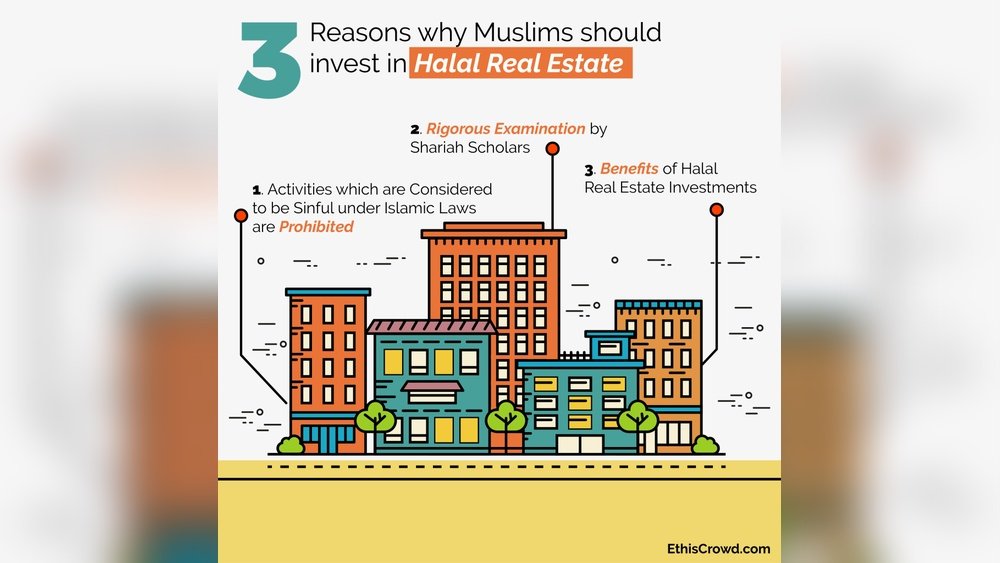
Are you looking to grow your wealth through real estate but want to make sure your investments align with your faith? Halal real estate investment offers a way for you to invest in property while following Islamic principles.
It avoids interest-based financing and focuses on ethical, profit-sharing opportunities that respect your values. You’ll discover how halal real estate investing works, why it matters, and practical steps you can take to start building your portfolio the right way. Keep reading to unlock the key to smart, faith-friendly property investing that could transform your financial future.

Credit: www.wahed.com
Halal Principles In Real Estate
Halal principles in real estate ensure investments follow Islamic law. These rules guide Muslims to invest ethically and avoid forbidden practices. Understanding these principles helps investors grow wealth without compromising their faith.
Every step in halal real estate must align with Shariah rules. This means avoiding interest, ensuring capital sources are pure, and choosing the right property types. These principles protect investors and promote fairness in business.
Avoiding Interest And Riba
Islam strictly forbids Riba, or interest, in any financial deal. Real estate investments must not involve paying or receiving interest. Instead, profit comes from sharing business risks or rental income. This approach keeps investments halal and ethical.
Ensuring Halal Capital Sources
Invested money must come from halal sources only. Capital gained through forbidden activities, like gambling or alcohol, is not allowed. Investors must verify that funds are clean to maintain the halal status of their investments.
Shariah-compliant Property Types
Not all properties are halal to invest in. Properties used for haram activities, such as casinos or liquor stores, are forbidden. Choosing residential or commercial properties that follow Islamic ethics is essential. This ensures the investment remains pure and lawful.
Investment Structures
Halal real estate investment requires structures that follow Islamic law. These methods avoid interest and ensure profits come from ethical sources. Investors seek models that share risk and rewards fairly. Such structures provide transparency and respect Shariah principles. Understanding these options helps investors make informed decisions.
Equity-based Partnerships
Equity-based partnerships involve joint ownership in property. Partners share profits and losses based on their investment. This model avoids interest by focusing on actual asset ownership. Each partner has a say in management decisions. This structure aligns with Islamic rules on fairness and risk sharing.
Halal Real Estate Investment Trusts (reits)
Halal REITs pool funds from many investors to buy properties. These trusts follow strict Shariah guidelines. They avoid interest and invest only in approved sectors. Investors earn income through profit distributions, not interest payments. This structure offers diversification and easier access for smaller investors.
Profit-sharing Models
Profit-sharing models split earnings between investors and managers. Returns depend on the actual profit generated by the property. This approach eliminates fixed interest and promotes joint risk-taking. It encourages transparency and aligns incentives fairly. Such models suit investors wanting active involvement and ethical compliance.
Financing Options Without Interest
Investing in real estate without paying interest meets the core values of Islamic finance. This approach avoids Riba, the practice of earning or paying interest, which is forbidden in Islam. Many Muslims seek ethical and Halal ways to grow their wealth through property investment. Several financing options exist that comply with these principles and offer practical paths to own real estate.
Islamic Finance Techniques
Islamic finance uses profit-sharing and asset-backed models. It avoids fixed interest and focuses on fair risk distribution. One common method is Musharakah, where investors share profits and losses. Another is Murabaha, a cost-plus sale agreement without interest. These techniques ensure financing aligns with Shariah law. They provide clear terms and promote ethical investments.
Joint Ownership And Partnerships
Joint ownership allows multiple parties to invest together in a property. Each partner holds a share proportional to their investment. Profits and expenses are split according to ownership percentages. This structure reduces individual risk and increases buying power. Partnerships must follow clear agreements to respect Islamic principles. It is a cooperative way to invest in real estate without interest.
Leasing And Ijarah Contracts
Ijarah is an Islamic leasing contract used in property financing. The investor buys the asset and leases it to the client for a fixed rent. The rent covers the cost and profit without interest. At the end, the ownership may transfer to the lessee. This method allows use of property with no involvement of interest-based loans. Ijarah contracts are simple, transparent, and Shariah-compliant.
Choosing Properties For Halal Investment
Choosing the right property is key for halal real estate investment. It requires careful thought and adherence to Islamic principles. Investors must select properties that generate lawful income and avoid prohibited activities. This section explains important factors to consider when choosing halal investment properties.
Residential Vs Commercial Properties
Residential properties include houses, apartments, and condos. They often provide steady rental income. Commercial properties cover offices, shops, and warehouses. They may offer higher returns but come with more risks. Both types can be halal if they meet Islamic rules. Consider your budget, goals, and risk tolerance before deciding.
Avoiding Prohibited Businesses
Islamic law forbids investing in businesses that sell alcohol, pork, or engage in gambling. Avoid properties leased to such businesses. Ensure tenants follow halal business practices. This step prevents earning income from haram sources. Always check tenant agreements and property use carefully.
Location And Market Analysis
The location affects property value and rental demand. Choose areas with strong growth and low vacancy rates. Study local market trends and future developments. Good locations help maintain halal income and property appreciation. Research is essential to reduce investment risks and enhance returns.
Risk Management And Compliance
Risk management and compliance are essential in halal real estate investment. They ensure investments follow Islamic law and reduce financial losses. Investors must be aware of specific rules and legal requirements. Careful screening and risk control make investments safer and more stable.
Shariah Screening Processes
Shariah screening checks if a property and its financing meet Islamic principles. It excludes investments involving interest (riba), gambling, or unethical activities. The screening looks at contracts, income sources, and business partners. This process helps investors avoid forbidden elements and maintain halal status.
Regular audits verify ongoing compliance with Shariah rules. Investors often work with scholars or advisory boards for guidance. Transparency in transactions is vital to build trust and confidence.
Legal Considerations In The Us
Halal real estate investors must understand US laws and regulations. Property ownership, contracts, and taxes must comply with local rules. Certain financing structures can conflict with Islamic principles if they involve interest.
Investors use alternative financing methods like profit-sharing or lease-to-own agreements. These comply with both US law and Shariah. Legal advice helps to structure deals correctly and avoid disputes. Awareness of zoning, permits, and ownership rights is also important.
Managing Market And Financial Risks
Market risks like price fluctuations affect halal real estate investments. Investors analyze location, demand, and economic trends carefully. Diversification reduces risk by spreading investments across various properties.
Financial risks include cash flow problems and unexpected expenses. Investors create budgets and emergency funds for stability. Monitoring tenant reliability and lease terms also protects income. Risk management keeps investments secure and aligned with Islamic values.
Building Wealth Ethically
Building wealth ethically means growing your money without breaking Islamic laws. Halal real estate investment offers a clear path for Muslim investors. It avoids interest, gambling, and uncertainty. This way, you can invest with peace of mind. Ethical investing aligns with your faith and values. It supports steady growth and community well-being.
Long-term Investment Strategies
Focus on properties with stable value over time. Choose areas with strong demand and good infrastructure. Avoid risky speculation or quick flips. Patience helps your investment grow naturally. Reinvest profits to build a bigger portfolio. Consistency creates lasting wealth without shortcuts. This approach respects Islamic principles and avoids forbidden practices.
Generating Rental Income Halal Way
Renting property is a great way to earn halal income. Set fair prices based on market value. Avoid charging excessive fees or interest. Use clear contracts to ensure transparency. Maintain properties well to keep tenants satisfied. Rental income provides steady cash flow without breaking Sharia. It supports both the landlord and the community.
Community Investment And Impact
Halal real estate investment can improve neighborhoods. Buy properties that benefit families and businesses. Support projects that create jobs and homes. Ethical investing helps build strong, safe communities. Share profits fairly with partners and tenants. Your investment can drive positive social change. This creates value beyond just financial returns.
Resources For Halal Real Estate Investors
Halal real estate investment requires careful planning and trusted resources. Investors must follow Islamic finance rules to avoid interest and unethical practices. Access to the right guidance and tools helps investors make informed decisions. Several resources support halal real estate investors on their journey.
Islamic Finance Experts And Advisors
Islamic finance experts guide investors on Shariah-compliant methods. They explain complex rules in simple terms. Advisors help structure deals that avoid interest and forbidden activities. Consulting these professionals reduces risks and ensures compliance. Their knowledge is key to halal investment success.
Halal Investment Platforms
Halal investment platforms offer real estate opportunities that follow Islamic principles. These platforms screen projects for compliance before listing. They provide transparency and clear information about returns and risks. Investors can join pooled investments or buy shares in properties. These platforms make halal investing easier and more accessible.
Educational Materials And Forums
Educational materials teach the basics of halal real estate investing. Books, articles, and videos cover Islamic finance principles and practical steps. Online forums connect investors to share experiences and ask questions. Learning from others helps avoid mistakes and discover new ideas. Education builds confidence and knowledge for smart investing.
Credit: blog.tabadulat.com

Credit: www.vairt.com
Frequently Asked Questions
Is It Halal To Invest In Real Estate?
Investing in real estate is halal if it follows Islamic finance principles. Avoid interest-based loans and ensure the capital is halal. Profit-sharing and Shariah-compliant methods make real estate investment permissible for Muslims. Always verify the investment’s compliance with Islamic law.
What Is The 30% Rule In Islamic Finance?
The 30% rule in Islamic finance limits non-permissible income or debt to a maximum of 30% in investments. This ensures Shariah compliance.
What Is The Safest Halal Investment?
The safest halal investment is Sharia-compliant sukuk or real estate investing without interest. Both follow Islamic finance principles.
Do Muslims Get 0% Interest?
Muslims avoid paying or receiving interest (riba) as it is forbidden in Islam. They use profit-sharing or rent-based halal financing instead.
Conclusion
Halal real estate investment offers a way to grow wealth ethically. It respects Islamic rules by avoiding interest and unfair practices. Investors can find options that share profits fairly and transparently. This approach supports financial growth without compromising faith. Careful research helps identify suitable halal opportunities.
Start small, learn continuously, and build confidence over time. Halal investing encourages patience and steady progress for lasting benefits. Embrace this path to align your investments with your values.