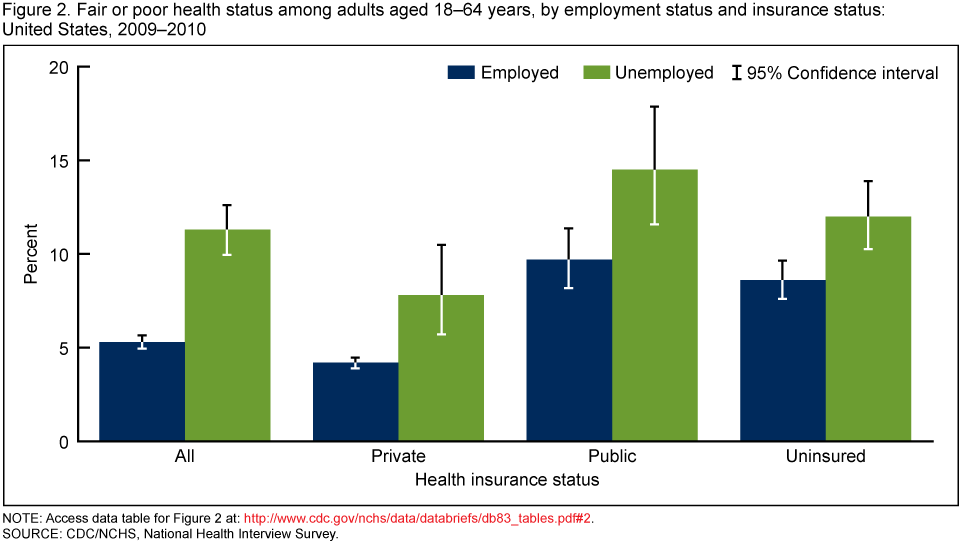
People on unemployment can access health insurance through Medicaid or the Health Insurance Marketplace. Subsidies are available to lower costs.
Health insurance is crucial for unemployed individuals to maintain access to medical care. Losing a job often means losing employer-sponsored health coverage, adding stress during an already challenging time. Fortunately, options like Medicaid and the Health Insurance Marketplace provide affordable solutions.
Medicaid offers free or low-cost coverage for those with limited income. The Marketplace allows individuals to purchase insurance, often with subsidies to reduce premiums. Understanding these options ensures that people on unemployment can still receive necessary medical care without financial strain. Effective planning and awareness are key to managing health insurance needs during periods of unemployment.
Navigating Coverage Options
Understanding health insurance options can be tricky, especially if you’re unemployed. Navigating coverage options is crucial to ensure you stay protected. There are several avenues to explore, each with its own set of benefits and requirements.
Government Programs
Government programs can provide affordable health insurance for those on unemployment. Here are some key programs to consider:
- Medicaid: Medicaid offers free or low-cost health coverage. Eligibility depends on income and family size.
- Children’s Health Insurance Program (CHIP): CHIP covers children in families with low incomes. It is a good option for families needing coverage for their kids.
- COBRA: COBRA allows you to keep your previous employer’s health insurance. You must pay the full premium, but it extends your existing coverage.
| Program | Eligibility | Cost |
|---|---|---|
| Medicaid | Based on income and family size | Free or low-cost |
| CHIP | Low-income families | Low-cost |
| COBRA | Recently unemployed | Full premium cost |
Private Insurance Plans
Private insurance plans offer another avenue for health coverage. These plans are available through the Health Insurance Marketplace or directly from insurance companies.
Here are some important points to consider:
- Marketplace Plans: The Health Insurance Marketplace offers various plans. You may qualify for subsidies to lower the cost.
- Short-term Health Insurance: This is a temporary solution. It provides coverage for a few months but may not cover all services.
- Catastrophic Plans: These plans are for emergency coverage. They have low premiums but high deductibles.
Exploring both government programs and private insurance plans can help you find the right coverage. Stay informed to make the best decision for your health needs.

Credit: www.urban.org
Understanding Eligibility Requirements
Being unemployed can be stressful, especially regarding health insurance. Many people worry about how to get coverage. Understanding the eligibility requirements can make this process easier. This section will guide you through the key points.
Income Guidelines
Income plays a crucial role in health insurance eligibility. Different programs have different income guidelines. For example:
| Program | Income Limit |
|---|---|
| Medicaid | 138% of the Federal Poverty Level (FPL) |
| Marketplace Subsidies | 100% to 400% of the FPL |
Calculate your income based on your last job and any unemployment benefits. Use this to check eligibility for different programs. It’s essential to stay within the limits to qualify.
Enrollment Periods
Enrollment periods are specific times when you can sign up for health insurance. Missing these periods can leave you without coverage. Here are the key enrollment periods:
- Open Enrollment: Usually occurs once a year.
- Special Enrollment: For life events like job loss or moving.
Mark these dates on your calendar. Special enrollment periods offer a lifeline if you miss the open enrollment.
Understanding these requirements can help you secure health insurance. Stay informed and take action during the enrollment periods.
Comparing Costs And Benefits
Comparing the costs and benefits of health insurance for people on unemployment is crucial. It helps to understand the financial impact and coverage options available. This guide will help you navigate through premiums, deductibles, and coverage limits.
Premiums And Deductibles
Premiums are the monthly fees you pay for health insurance. These costs can vary widely. Lower premiums might seem attractive, but they often come with higher deductibles.
Deductibles are the amount you pay out of pocket before insurance starts covering costs. Plans with lower premiums usually have higher deductibles.
Here’s a table to illustrate the difference:
| Plan Type | Monthly Premium | Deductible |
|---|---|---|
| Low Premium Plan | $50 | $2,000 |
| High Premium Plan | $150 | $500 |
Coverage Limits
Coverage limits define what the insurance will pay for. Some plans have annual or lifetime limits. It’s important to check these limits to avoid unexpected costs.
Higher coverage limits can give better protection but might come with higher premiums. Consider the balance between cost and coverage.
When comparing plans, look at:
- Prescription drug coverage
- Hospital stays
- Specialist visits
- Mental health services
Choosing the right plan involves balancing premiums, deductibles, and coverage limits. This ensures you get the best value and protection.

Credit: www.commonwealthfund.org
Utilizing Subsidies And Discounts
Health insurance can be expensive, especially for those who are unemployed. Thankfully, there are ways to reduce costs. Utilizing subsidies and discounts can make health insurance more affordable. Below are key options to consider.
Tax Credits
Tax credits can significantly reduce your health insurance costs. If you qualify, you can apply these credits directly to your monthly premiums. This reduces the amount you pay out-of-pocket.
To determine eligibility, visit the Health Insurance Marketplace. Input your income and household details. The system calculates the credits you qualify for.
Here is a simple table showing eligibility based on income:
| Household Size | Income Range |
|---|---|
| 1 | $12,880 – $51,520 |
| 2 | $17,420 – $69,680 |
| 3 | $21,960 – $87,840 |
| 4 | $26,500 – $106,000 |
State Assistance Programs
Many states offer assistance programs to help with health insurance. These programs vary but often provide significant discounts.
Check your state’s health department website. Look for programs like Medicaid, CHIP, or state-specific aid. Each program has different eligibility requirements.
Here are some common programs:
- Medicaid: For low-income individuals and families.
- CHIP: For children in low-income families.
- State-specific programs: Each state may have its own options.
Applying for these programs is usually simple. Follow the instructions on your state’s website.
Managing Out-of-pocket Expenses
Managing out-of-pocket expenses is crucial for those on unemployment. Health insurance can help, but costs can still add up. Here, we explore ways to handle these expenses effectively.
Emergency Funds
Emergency funds are a lifesaver in tough times. They help cover unexpected medical costs. Start building your emergency fund today. Even small contributions can grow over time.
Consider setting aside a portion of your unemployment benefits. This money can act as a buffer. Here’s a simple way to start:
- Set a monthly savings goal
- Automate transfers to your savings account
- Track your progress regularly
Having an emergency fund brings peace of mind. It ensures you can handle sudden medical expenses without stress.
Medical Savings Accounts
Medical Savings Accounts (MSAs) offer another way to manage expenses. These accounts let you save money tax-free for medical costs.
There are different types of MSAs:
| Type | Description |
|---|---|
| Health Savings Account (HSA) | Available with high-deductible health plans. Funds roll over yearly. |
| Flexible Spending Account (FSA) | Set up by your employer. Funds must be used within the plan year. |
Each type has its benefits. Choose the one that fits your needs best. An HSA is great for long-term savings. An FSA works well for short-term costs.
Using an MSA helps you plan for future medical expenses. It reduces the financial burden during unemployment. Start saving in an MSA to secure your health and finances.
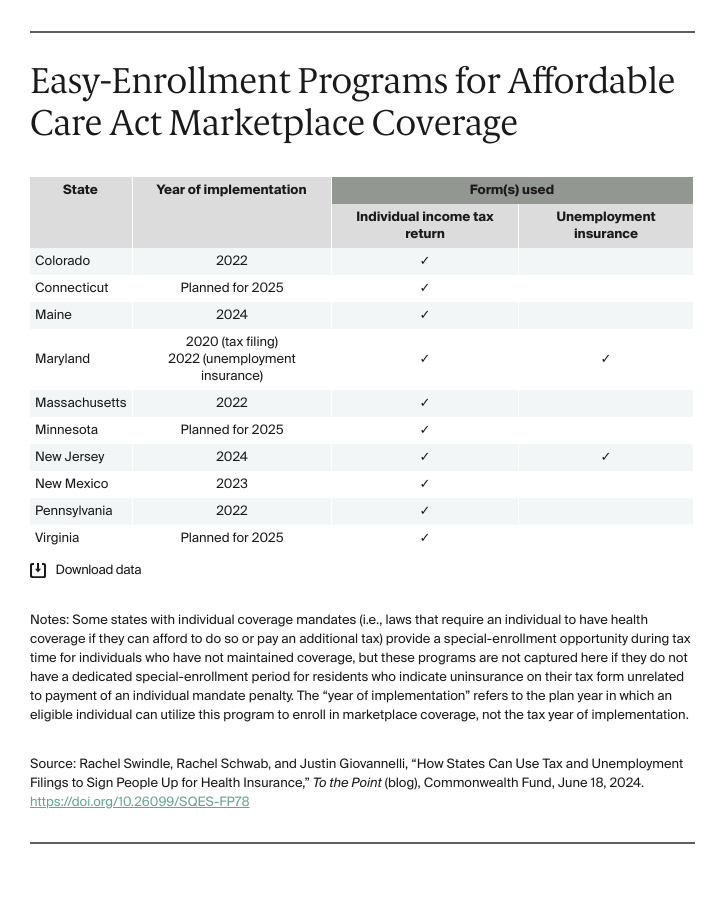
Credit: www.commonwealthfund.org
Maintaining Continuous Coverage
Losing a job can be stressful. Health insurance is crucial even when unemployed. Staying covered means safeguarding your health. It also helps avoid unexpected medical bills.
Avoiding Coverage Gaps
Gaps in insurance can lead to problems. Follow these steps to avoid them:
- Check the end date of your current plan.
- Apply for new coverage before your old plan ends.
- Consider short-term plans to bridge gaps.
Transitioning Between Jobs
Moving from one job to another? Keep these tips in mind:
- Contact your new employer about health benefits.
- Ask about the waiting period for new coverage.
- Use COBRA to extend your old plan if needed.
| Option | Details |
|---|---|
| COBRA | Extends old employer plan for a limited time. |
| Marketplace Insurance | Find affordable plans on Healthcare.gov. |
| Medicaid | Offers free or low-cost coverage. |
Frequently Asked Questions
What Is Unemployment Health Insurance?
Unemployment health insurance provides coverage for those without employment. It helps cover medical costs during job loss.
How Can Unemployed People Get Health Insurance?
Unemployed individuals can apply for Medicaid, COBRA, or marketplace plans. These options offer various levels of coverage.
Is Medicaid Available For Unemployed Individuals?
Yes, Medicaid is available for unemployed people. Eligibility depends on income and household size.
Can I Get Subsidies For Health Insurance?
Yes, subsidies are available for marketplace plans. They lower premiums based on income and household size.
What Is Cobra Insurance For Unemployed?
COBRA allows you to keep your employer’s health plan. You pay the full premium, which can be costly.
Conclusion
Securing health insurance during unemployment is crucial for your well-being. Explore available options to stay covered. Affordable plans exist, even when finances are tight. Research and choose the best plan for your needs. Prioritize your health, and ensure you remain protected during challenging times.
Stay informed and proactive about your health insurance choices.