
To get health insurance for a newborn, notify your insurer within 30 days of the birth. Provide the necessary documentation promptly.
Having health insurance for a newborn is crucial to cover medical expenses right from birth. Newborns require frequent medical check-ups, vaccinations, and sometimes immediate medical attention. Adding your newborn to your existing health insurance plan ensures that you can access necessary healthcare services without financial stress.
It’s important to act quickly to meet the enrollment deadlines set by your insurance provider. Early enrollment safeguards your child’s health and provides peace of mind. Contact your insurer, fill out the required forms, and submit any necessary documents to get your newborn covered promptly. This proactive approach ensures your baby receives immediate and comprehensive medical care.
Introduction To Newborn Health Insurance
Securing health insurance for your newborn is crucial. It ensures your baby receives immediate and comprehensive medical care. Early coverage helps in managing unexpected medical expenses. This guide will help you navigate the process smoothly.
Importance Of Early Coverage
Early coverage protects your newborn from high medical costs. Newborns require frequent doctor visits and vaccinations. With insurance, these costs become manageable.
Early coverage provides peace of mind. You can focus on your baby’s health without worrying about finances. Health insurance covers emergency medical situations. This is vital in the first few months of life.
Common Challenges
Many parents face challenges in getting newborn health insurance. Understanding the policy terms can be confusing. Each plan has its own set of rules and coverage options.
Another challenge is meeting the enrollment deadline. Missing the deadline can delay coverage, causing stress. Some parents struggle with the cost of premiums. It’s important to compare different plans to find one that fits your budget.
Below is a table summarizing common challenges and their solutions:
| Challenge | Solution |
|---|---|
| Understanding policy terms | Consult with a health insurance advisor |
| Meeting the enrollment deadline | Mark important dates on your calendar |
| Cost of premiums | Compare multiple plans for affordability |
To ensure smooth coverage, follow these steps:
- Research different health insurance plans.
- Consult with an insurance advisor.
- Enroll your newborn within the required timeframe.
- Keep track of premium payments.

Credit: www.healthmarkets.com
Types Of Health Insurance Plans
Choosing the right health insurance plan for your newborn is crucial. Different plans offer different benefits. Here, we’ll explore the two main types: Employer-Sponsored Plans and Private Insurance Plans. Knowing the difference will help you make an informed decision.
Employer-sponsored Plans
Many companies offer health insurance for employees and their families. These plans often provide comprehensive coverage. They can be more affordable because your employer pays part of the cost.
Here are some key points about Employer-Sponsored Plans:
- Lower Premiums: Employers usually cover a portion of the premiums.
- Group Coverage: Often includes family members, including newborns.
- Wide Network: Access to a wide range of doctors and hospitals.
Most employers provide a window to add a newborn. Make sure to enroll your baby within this period.
Private Insurance Plans
If your job doesn’t offer insurance, consider private plans. These can be purchased through the Health Insurance Marketplace or directly from insurers.
Key points about Private Insurance Plans:
- Customization: Choose a plan that fits your needs and budget.
- Variety: Options range from basic to comprehensive coverage.
- Flexibility: More control over which doctors and hospitals you use.
Private plans can be more expensive but offer greater flexibility. Always compare different plans before deciding.
| Feature | Employer-Sponsored Plans | Private Insurance Plans |
|---|---|---|
| Cost | Lower premiums | Varies, often higher |
| Coverage | Comprehensive | Varies |
| Network | Wide | Varies |
| Flexibility | Less | More |
Understanding these options will help you choose the best plan. Ensure your newborn gets the health coverage they need.
Eligibility Criteria
Getting health insurance for your newborn is crucial. Understanding the eligibility criteria helps you navigate the process smoothly.
Residency Requirements
Residency requirements are straightforward. Your newborn must live in the same state as the health insurance plan. Usually, proof of residency includes documents like utility bills or lease agreements.
Make sure to keep these documents handy. They help in verifying your address easily.
Income Limits
Income limits are another key factor. Many state programs offer insurance based on your income.
| Family Size | Annual Income Limit |
|---|---|
| 2 | $34,000 |
| 3 | $42,500 |
| 4 | $51,000 |
Check the income guidelines for your state. This helps determine if you qualify for state-sponsored programs.
Keep in mind that income limits vary. Check with your local health department for the latest information.
Credit: blog.bernieportal.com
Enrollment Process
The enrollment process for getting health insurance for your newborn is crucial. This ensures your baby gets the medical care they need. Follow these steps to complete the enrollment process smoothly.
Required Documentation
To enroll your newborn, you need specific documents. These documents verify your child’s identity and eligibility.
- Birth Certificate: This proves your baby’s birth and identity.
- Social Security Number: You can get this from the Social Security Administration.
- Proof of Parentage: This can be a marriage certificate or legal guardianship papers.
| Document | Purpose |
|---|---|
| Birth Certificate | Proof of birth and identity |
| Social Security Number | Identification number for the newborn |
| Proof of Parentage | Establishes legal guardianship |
Application Steps
Follow these steps to apply for health insurance for your newborn:
- Gather Documents: Collect all required documents.
- Contact Insurer: Call your insurance provider to notify them about your newborn.
- Fill Application: Complete the health insurance application form.
- Submit Documents: Send the completed form and required documents to your insurer.
- Confirm Enrollment: Follow up to ensure your child is enrolled.
These steps help you complete the enrollment process efficiently. Ensure you have all documents ready before starting.
Coverage Details
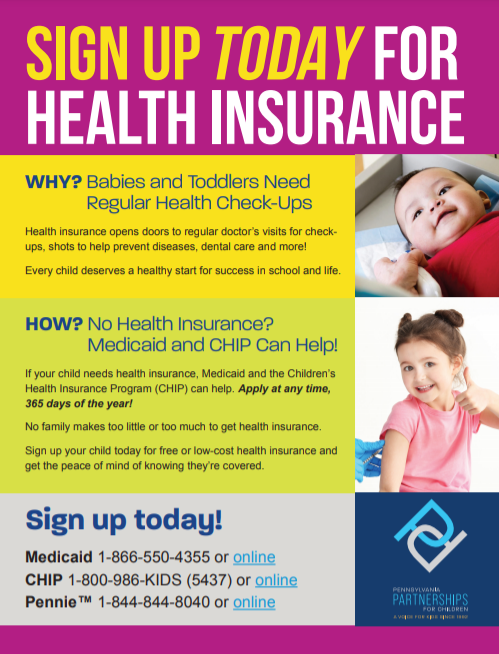
Understanding the coverage details of health insurance for your newborn is crucial. It ensures they receive the care they need from day one. Let’s explore the key aspects of coverage.
Preventive Care
Preventive care includes essential services your newborn will need. These services often include:
- Regular check-ups
- Vaccinations
- Screenings for growth and development
These services are usually covered without extra costs. This helps in early detection of any health issues.
Specialized Treatments
Sometimes, newborns need specialized treatments. Health insurance often covers:
- Specialist visits
- Diagnostic tests
- Hospital stays
If your baby needs surgery, the insurance will cover the costs. This ensures they get the best possible care.
Credit: www.papartnerships.org
Tips For Choosing The Right Plan
Choosing the right health insurance plan for your newborn is crucial. It ensures they receive the best care possible. Here are some essential tips to help you make the best choice.
Comparing Plan Benefits
When comparing plan benefits, look for comprehensive coverage. Ensure the plan covers regular check-ups, immunizations, and emergency care. Look at the cost of premiums, deductibles, and co-pays. Check if the plan offers specialist consultations without referrals. Evaluate the coverage for hospital stays and surgeries. Some plans include additional benefits like dental and vision care. Consider plans that offer telemedicine services for easier access to care.
Considering Network Providers
Consider the network of healthcare providers. Ensure your preferred pediatrician is in-network. Check the availability of nearby hospitals and specialists. Look for plans with a wide network of providers. This ensures you have more choices for your child’s care. Verify if the network includes top-rated hospitals. Some plans may limit the choice of doctors and facilities. Make sure the plan allows for out-of-network visits when necessary.
| Feature | Plan A | Plan B |
|---|---|---|
| Monthly Premium | $150 | $200 |
| Deductible | $500 | $300 |
| Co-Pay | $20 | $15 |
| Network Size | Large | Medium |
- Check plan benefits for comprehensive coverage.
- Ensure your preferred pediatrician is in-network.
- Evaluate the cost of premiums, deductibles, and co-pays.
- Consider plans with telemedicine services.
Frequently Asked Questions
How Do I Add My Newborn To My Insurance?
Notify your insurer within 30 days of birth. Provide necessary documents like birth certificate to add your newborn.
When Should I Apply For Newborn Health Insurance?
Apply as soon as possible, ideally within 30 days of birth. This ensures uninterrupted coverage for your newborn.
What Documents Are Needed For Newborn Insurance?
You typically need the birth certificate and Social Security number. Check with your insurer for any additional requirements.
Can I Get Health Insurance Before Birth?
Yes, you can pre-enroll your unborn child. Contact your insurance provider to learn about the specific procedures.
How Long Does Newborn Insurance Approval Take?
Approval times vary by insurer. It usually takes a few days to a few weeks. Always follow up with your provider.
Conclusion
Securing health insurance for your newborn is essential. Start early, research options, and compare plans carefully. Ensure your baby gets the best coverage. This will protect their health and your finances. Don’t delay; act now to safeguard your newborn’s future.
Follow these steps for peace of mind and quality care.