To improve your credit for a loan, start by paying bills on time and reducing outstanding debt. Obtain a copy of your credit report and correct any errors.
Navigating the realm of credit can be daunting, yet mastering it is essential for securing loans with favorable terms. A solid credit score opens doors to financial opportunities, making it crucial for individuals to understand and take deliberate steps to enhance their creditworthiness.
This journey begins with punctual bill payments and debt management. It is equally important to review one’s credit report regularly, ensuring accuracy in the recorded transactions. Such vigilance can reveal errors that, once rectified, may boost your credit score. Responsible use of credit, coupled with strategic financial planning, sets the foundation for improved credit, ultimately leading to better loan conditions. By adopting these practices, borrowers can position themselves as attractive candidates to lenders, paving the way for a more secure financial future.

Credit: www.nissanofalbany.com
Introduction To Credit Scores
Understanding credit scores is key to loan approval. A credit score is a number. It shows your credit health. A high score means better loan terms. Let’s explore this crucial factor in detail.
The Role Of Credit In Loan Approval
Lenders use credit scores to assess risk. A good score can open doors to loans. It can also lower interest rates. This score reflects your financial responsibility. It plays a major part in loan decisions.
Components Of A Credit Score
Several elements make up your credit score:
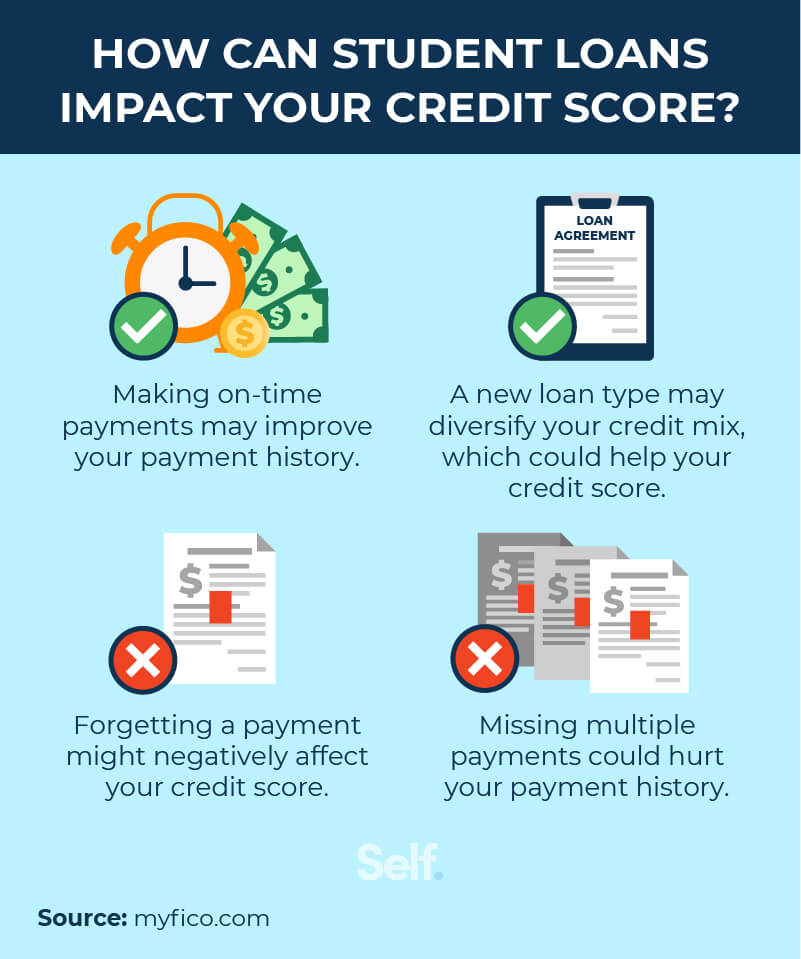
- Payment History: On-time payments boost scores.
- Credit Utilization: Low balance-to-limit ratios are better.
- Credit History Length: A longer credit history is favorable.
- New Credit: Opening many accounts quickly can lower scores.
- Credit Mix: A variety of accounts can improve scores.
Focusing on these components can improve your credit. Better credit leads to better loan options.
Credit: www.self.inc
Assessing Your Credit Report
Before applying for a loan, understanding your credit report is key. This report shows your credit history. It affects your loan approval and terms. Let’s dive into how to assess your credit report effectively.
Obtaining Your Credit Report
First, get your credit report. You can do this once a year for free. Visit AnnualCreditReport.com. This site lets you access reports from three major bureaus: Equifax, Experian, and TransUnion. Check your report carefully. Look for any mistakes or unfamiliar activities.
- Visit AnnualCreditReport.com.
- Request reports from Equifax, Experian, and TransUnion.
- Review each report for accuracy.
Identifying Errors And Disputing Them
Errors in your credit report can hurt your score. Look for any mistakes. This includes wrong addresses, payments, or accounts that aren’t yours. Found an error? You should dispute it right away.
- Look for errors in personal info, account details, and payment history.
- Dispute errors with the credit bureau. Do this online or by mail.
- Provide proof to support your dispute.
- Wait for the bureau to investigate. This can take up to 30 days.
Fixing errors can boost your credit score. This makes getting a loan easier. Start today to improve your chances for a better loan.
Strategies For Debt Reduction
Improving your credit score is key to securing a loan. Smart debt reduction strategies can help. They make your financial profile look better to lenders. Let’s explore two effective ways to reduce your debt.
Prioritizing High-interest Debt
Focusing on high-interest debt first is crucial. It grows fastest and costs you more. Make a list of your debts. Sort them by their interest rates. Pay more than the minimum on the top one. Keep paying the minimum on others. Once the first is paid off, move to the next. This method is called the avalanche approach. It saves you money on interest over time.
Creating A Debt Payoff Plan
Without a plan, paying off debt is tough. Start by reviewing your budget. See where you can cut expenses. Use the extra money to pay down debts. Set clear goals and timelines. Track your progress. Consider tools like debt calculators. They help you visualize your payoff schedule. Celebrate small victories. They keep you motivated.
Here’s a simple table to help you visualize a debt payoff plan:
| Debt | Interest Rate | Current Balance | Monthly Payment | Payoff Goal |
|---|---|---|---|---|
| Credit Card A | 20% | $5,000 | $200 | 12 months |
| Credit Card B | 15% | $3,000 | $150 | 10 months |
| Personal Loan | 10% | $2,000 | $100 | 8 months |
Credit Utilization Tips
Mastering credit utilization is key to enhancing credit for a loan. It reflects your spending habits. Lenders assess this before approving loans. Let’s unlock the secrets to optimizing your credit utilization.
Understanding Credit Utilization Ratio
Your credit utilization ratio plays a pivotal role in credit score calculations. It measures the amount of available credit you’re using. A lower ratio often equates to a higher credit score. Aim for a ratio under 30% to impress lenders.
Ways To Lower Your Ratio
Pay down balances: Reducing outstanding debt quickly lowers your ratio. Aim for more than the minimum payment each month.
Increase credit limits: A higher credit line with the same debt reduces your ratio. Request an increase cautiously; don’t tempt further spending.
Spread out charges: Use multiple cards for purchases. It keeps ratios low across accounts.
Pay bills twice a month: Mid-cycle payments can decrease your reported balance. It lowers your utilization ratio.
Limit new credit cards: Only apply when needed. New cards can lead to hard inquiries. These can temporarily dip your credit score.
Master these tips for a better chance at loan approval. Your credit score will thank you.
Handling Late Payments
Handling late payments is crucial for improving your credit score. Late payments can hurt your score badly. But, don’t worry! There are ways to manage and improve this situation. Let’s dive into some effective strategies.
Negotiating With Creditors
Negotiating with your creditors can be a smart move. If you missed a payment, contact them. Explain your situation. Many creditors are willing to work with you. They might allow a late payment to be removed from your credit report. This is if you agree to pay promptly moving forward. Remember, it’s important to keep your word and make those payments on time.
Setting Up Payment Reminders
Forgetting to make a payment is easy. Life gets busy. Setting up payment reminders can help. You can do this in two ways:
- Bank Alerts: Most banks offer free text or email alerts. They notify you when a payment is due.
- Automatic Payments: Setting up auto-pay ensures your payments are always on time. Just make sure you have enough funds in your account to cover the payments.
Using these strategies can prevent late payments in the future. This helps improve your credit score.
Building A Strong Credit Age
Let’s dive into how a strong credit age can boost your score. It’s like a fine wine; the older, the better. Credit age means the length of time you’ve had credit. A longer history can show you’re reliable. Here’s how to make your credit history work for you.
Keeping Old Accounts Open
Closing old accounts might seem like tidying up. But it can hurt your credit age. Keep them open to show a long, positive history. Here’s why:
- Length of Credit History: An open old account adds years to your credit history.
- Credit Utilization: More available credit with low balances helps your score.
The Impact Of New Credit
Opening new accounts can be tempting. Yet, it can lower your average credit age. Here’s the impact:
| Action | Credit Age Impact |
|---|---|
| New Credit Cards | Shortens average age |
| Loans | Can add a new date, reducing average age |
Remember, a mix of old and new accounts works best. Aim for a steady approach to opening new lines of credit.
The Role Of Credit Mix
The Role of Credit Mix plays a key part in credit scores. Lenders look at the variety of accounts borrowers hold. This variety shows how well they manage different credit types. A good mix can mean better loan terms. Let’s dive into the types of credit to consider for a healthy credit mix.
Types Of Credit To Consider
Different credit types affect your score. There are mainly two: revolving and installment. Credit cards are revolving credit. They let you borrow again after paying. Car loans are installment credit. They have fixed payments over time. A mix of both is ideal.
- Revolving credit – like credit cards, home equity lines of credit (HELOCs)
- Installment credit – such as auto loans, mortgages, student loans
Balancing Your Credit Portfolio
A balanced credit mix is essential. Too many of one type could hurt your score. Aim for a few revolving accounts and one or two installment loans. Keep balances low and make payments on time. This balance shows lenders you can handle various credit types well.
| Revolving Credit | Installment Credit |
|---|---|
| Use for everyday purchases | Use for big, one-time expenses |
| Flexible borrowing limits | Fixed borrowing amounts |
| Variable payments | Set payment schedule |
Remember, never open accounts just to improve mix. Open new accounts as needed. Always manage credit responsibly. Your credit mix will naturally improve with smart financial habits.
New Credit Inquiries
Credit inquiries can impact your loan approval odds.
Understanding new credit inquiries is vital.
Hard Vs. Soft Inquiries
Hard inquiries occur when lenders check your credit for a loan.
These inquiries can lower your credit score slightly.
Soft inquiries won’t affect your score.
Examples include checking your own credit or pre-approval offers.
Know which type of inquiry lenders will perform.
Timing Your Applications
Space out your credit applications.
Multiple hard inquiries in a short time can be harmful.
Aim for a few months between credit applications.
This strategy helps maintain a healthier credit score.
It shows lenders you’re not desperately seeking credit.
Maintaining Good Credit Habits
Strong credit habits are key to financial health. They help secure loans with better terms. This section teaches how to maintain and polish those habits.
Regular Monitoring
Checking credit reports often is crucial. It catches errors and fraud early. Aim to review your credit score monthly. Services like annualcreditreport.com offer free reports yearly.
Creating A Budget And Sticking To It
Planning spending is vital. A budget guides your finances. It helps avoid missed payments. Missed payments hurt credit scores. Stick to your budget to prevent this.
Use these tips to craft a budget:
- Track expenses to understand spending.
- Categorize costs into needs and wants.
- Set goals for saving and spending.
- Adjust as needed for life changes.
Tools like budgeting apps can help. They provide visuals on where money goes. Stick to the budget to build good credit.
Conclusion: The Journey To Better Credit
Improving your credit takes time and effort. You can make it better.
Setting Realistic Goals
Start with small, clear goals. Check your credit score first. Then, aim to pay off small debts. This method helps you see progress. It keeps you motivated.
- Make a budget to track spending.
- Set monthly targets for debt reduction.
- Plan for on-time bill payments.
Seeking Professional Advice If Needed
Do not be afraid to ask for help. Credit counselors can offer guidance. They help you make a plan.
They can also talk to your creditors. Sometimes, they get better payment terms for you.
| Service | Benefit |
|---|---|
| Credit Counseling | Creates a debt management plan |
| Negotiation | May reduce debt amounts |
Remember, improving credit is a journey. Stay patient and persistent. Your efforts will pay off.
Credit: www.bankrate.com
Frequently Asked Questions
How Can I Boost My Credit Score Quickly?
Improving your credit score quickly can be done by paying bills on time, reducing debt, and keeping credit card balances low. Check your credit report for errors and dispute any inaccuracies promptly.
What Factors Affect My Credit Score The Most?
Payment history and credit utilization are the most influential factors. Timely payments and low credit card balances relative to your limits can significantly affect your score. Length of credit history and types of credit used also matter.
Can Paying Off Loans Improve My Credit?
Yes, paying off loans can improve your credit as it reduces your debt-to-income ratio. However, make sure not to close credit accounts since that can lower your available credit and possibly your score.
Does Checking My Credit Score Lower It?
No, checking your own credit score is a soft inquiry and does not lower it. Only hard inquiries, like those from lenders when you apply for credit, may have a minor and temporary impact.
Conclusion
Improving your credit score is vital for securing a loan on favorable terms. Start by reviewing your credit reports and disputing any inaccuracies. Consistently paying bills on time and reducing debt can also boost your score. Remember, a higher credit rating opens doors to better financial opportunities.
Take action today for a brighter financial future.