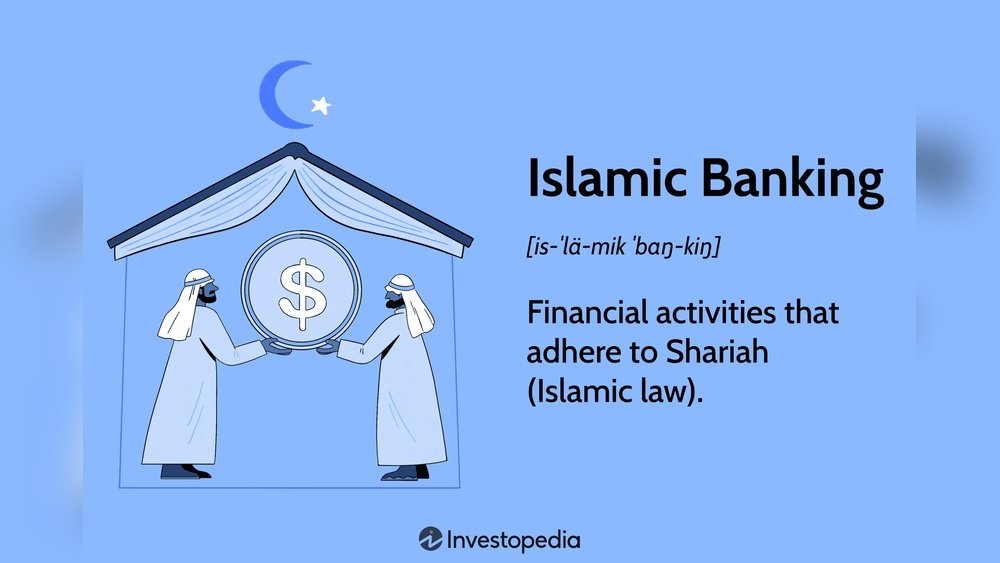
Are you ready to grow your wealth while staying true to your values? Investing in Islamic finance lets you do just that by aligning your money with ethical principles that avoid interest, excessive risk, and harmful industries.
But how do you start? What options are truly Sharia-compliant? In this guide, you’ll discover simple, clear steps to invest confidently and responsibly in Islamic finance. Whether you’re new to investing or looking to switch to halal options, this article will give you the tools and knowledge you need to make smart, faith-aligned financial choices.
Keep reading to unlock the secrets of ethical investing that works for you and your future.
Principles Of Islamic Finance
Islamic finance follows unique principles based on Sharia law. These rules guide how money is earned, shared, and invested. The goal is to promote fairness, transparency, and ethical behavior. Understanding these principles helps investors make choices that align with their values.
Prohibition Of Interest (riba)
Islamic finance strictly forbids earning or paying interest. This practice is called riba. Instead, profit must come from real business activities or investments. Charging interest creates unfair gain without effort or risk. Avoiding riba ensures money circulates fairly and ethically.
Avoiding Excessive Uncertainty (gharar)
Investments must avoid excessive uncertainty or risk. This rule is known as gharar. Deals should be clear, with all terms known upfront. Speculative or gambling-like transactions are not allowed. Reducing uncertainty builds trust and protects investors from hidden losses.
Ethical Investment Criteria
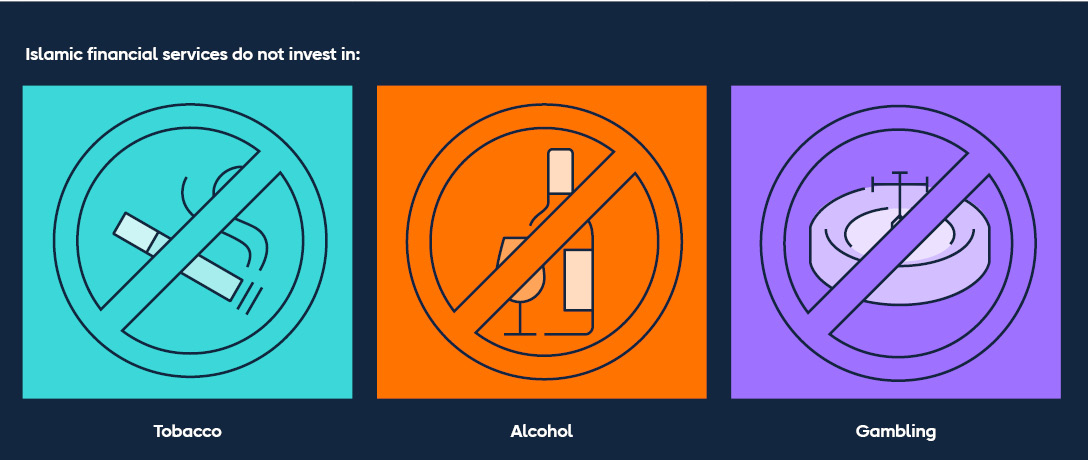
Islamic finance excludes investments in harmful industries. Businesses related to alcohol, gambling, pork, and weapons are forbidden. Investments must support positive social and economic impact. Ethical criteria ensure money supports growth that benefits society and avoids harm.
Profit And Loss Sharing
Islamic finance encourages sharing both profits and losses. Investors and entrepreneurs share risks equally. This approach promotes partnership and fairness. Profit comes from real economic activity, not guaranteed returns. Loss sharing motivates careful and responsible investment decisions.
Types Of Sharia-compliant Investments
Sharia-compliant investments follow Islamic principles that avoid interest, uncertainty, and unethical industries. These investments provide options for Muslims to grow wealth while respecting their faith. Various types of halal investments suit different risk levels and goals. Understanding each type helps investors make informed decisions that align with their values.
Halal Stocks And Equities
Halal stocks are shares in companies that follow Islamic guidelines. These companies avoid alcohol, gambling, pork, and interest-based finance. Investors must screen stocks for compliance regularly. Halal equities offer growth potential with ethical business practices.
Islamic Mutual Funds And Etfs
Islamic mutual funds and ETFs pool money from investors to buy Sharia-compliant assets. Fund managers select stocks and bonds that meet Islamic rules. These funds provide diversification and professional management. They suit investors who prefer a hands-off approach.
Sukuk (islamic Bonds)
Sukuk are financial certificates that represent ownership in an asset or project. They do not pay interest but share profits generated by the asset. Sukuk offer stable income and comply with Islamic law. They are an alternative to conventional bonds.
Real Estate Crowdfunding
Real estate crowdfunding allows investors to pool money to buy property. Projects must follow halal principles, avoiding prohibited activities. This method offers access to real estate with lower capital. Investors earn returns from rental income or property sales.
Peer-to-peer Lending Platforms
Peer-to-peer lending connects borrowers and lenders directly. Islamic platforms ensure loans comply with Sharia rules. They avoid interest and use profit-sharing or fee-based models. This option supports small businesses and personal financing ethically.
Screening And Selecting Investments
Choosing the right investments in Islamic finance requires careful screening. This process ensures all investments comply with Shariah law. Investors avoid businesses and financial practices that are not halal. Screening protects your money and aligns it with your faith.
Industry Exclusion Criteria
Islamic finance excludes certain industries entirely. Businesses involved in alcohol, gambling, pork, and tobacco are not allowed. Companies dealing with conventional banking or interest-based finance are also excluded. This helps maintain ethical and religious integrity in your portfolio.
Financial Ratio Filters
Financial ratios help assess company compliance with Islamic rules. Common filters include debt levels and interest income limits. Companies with high debt or earning interest above a certain threshold are excluded. This keeps investments free from riba (interest) and excessive risk.
Shariah Advisory Boards
Shariah boards consist of Islamic scholars and experts. They review and approve investment products for Shariah compliance. Their guidance ensures investments follow Islamic principles. Many funds and companies rely on these boards for credibility.
Using Halal Investment Apps
Halal investment apps simplify finding Shariah-compliant options. These apps filter stocks and funds based on Islamic rules. They offer easy access for beginners and experienced investors. Using apps helps maintain compliance while saving time and effort.
Credit: blog.tabadulat.com
Starting Your Islamic Investment Journey
Starting your Islamic investment journey requires careful planning and understanding. The goal is to invest in ways that follow Islamic laws, avoiding interest and unethical businesses. This section guides you through the first steps to make your investments safe and effective.
Assessing Risk Tolerance
Risk tolerance means how much loss you can handle in your investment. Everyone has a different comfort level with risk. Think about your financial goals and how long you want to invest. Lower risk usually means lower returns but more safety. Higher risk can bring higher rewards but may cause bigger losses. Knowing your risk tolerance helps you choose the best investments.
Choosing The Right Platform
Select a platform that offers Sharia-compliant options. Look for clear information about how they follow Islamic finance rules. The platform should be easy to use and trustworthy. Check reviews and ratings from other investors. A good platform will provide support and educational resources. It helps you invest confidently and correctly.
Account Setup And Documentation
Opening an account is simple but requires some documents. You will need ID proof, address proof, and sometimes income details. The platform may ask for information about your investment goals. Fill out all forms honestly to avoid issues. Once your account is set up, you can start investing according to your plan.
Diversifying Your Portfolio
Diversification means spreading your money across different investments. This lowers the risk of losing everything at once. In Islamic finance, you can invest in stocks, sukuks, and halal funds. Each type has its own risk and return profile. Mixing them helps balance your portfolio. It keeps your investments safer and more stable over time.
Managing And Growing Your Investments
Managing and growing your investments in Islamic finance requires ongoing attention and careful planning. Islamic finance follows unique principles, so maintaining a strong portfolio means understanding both financial markets and Shariah rules. Regularly reviewing your investments helps keep your goals on track. Smart reinvestment can increase your returns over time. Staying informed about Shariah compliance ensures your investments remain halal. Handling market ups and downs calmly protects your capital and peace of mind.
Regular Portfolio Review
Check your portfolio at least every three to six months. This keeps your investments aligned with your financial goals. Review each asset to confirm it meets Islamic guidelines. Remove or replace any investments that no longer comply. Adjust your portfolio based on market changes and personal needs. Regular reviews help avoid surprises and keep your plan effective.
Reinvestment Strategies
Use profits wisely by reinvesting in Shariah-compliant assets. Reinvestment can grow your wealth faster without additional capital. Consider diversification by spreading funds across different halal sectors. Look for sukuk, Islamic mutual funds, or ethical stocks. Reinvesting earnings compounds your returns while following Islamic principles. Keep your strategy simple and consistent for steady growth.
Staying Updated On Shariah Compliance
Islamic finance rules can change as scholars interpret Shariah differently. Follow trusted Islamic finance advisors and institutions for updates. Use online resources and newsletters focused on halal investing. Confirm your investments remain free from riba (interest) and gharar (excessive uncertainty). Staying informed avoids unintentional violations and keeps your portfolio pure. Regularly consulting experts supports confident decision-making.
Handling Market Volatility
Market ups and downs are normal in investing. Stay calm and avoid making quick decisions based on fear or greed. Islamic finance encourages ethical and patient investing. Focus on long-term goals rather than short-term price swings. Use diversification to reduce risks and balance your portfolio. Remember, steady and thoughtful actions help preserve and grow your capital over time.
Credit: www.bankofengland.co.uk
Common Challenges And Solutions
Investing in Islamic finance offers unique opportunities but also presents specific challenges. Understanding these challenges helps investors make better decisions. Solutions exist to overcome obstacles and ensure compliant and profitable investments.
Limited Investment Options
Islamic finance restricts investments in certain industries, reducing available choices. Many traditional sectors involve interest or prohibited activities. This limitation can make it hard to diversify portfolios.
Investors can explore Shariah-compliant stocks, sukuk bonds, and Islamic funds. New fintech platforms also provide halal investment alternatives. Research and patience help find suitable options.
Navigating Complex Shariah Rules
Shariah rules are detailed and may vary by scholars and regions. These rules forbid interest (riba), excessive uncertainty (gharar), and unethical businesses. Understanding these laws requires time and effort.
Consulting Islamic finance experts or scholars can clarify doubts. Many investment firms have Shariah boards to ensure compliance. Using certified products reduces the risk of non-compliance.
Balancing Returns And Compliance
Islamic investments may sometimes offer lower returns than conventional options. The need to avoid prohibited activities limits some high-return opportunities. This balance can challenge investors seeking growth.
Focus on long-term gains and ethical investing principles. Diversifying within Shariah-compliant assets can improve returns. Patience and discipline are key to successful Islamic investing.
Accessing Reliable Information
Finding trustworthy and clear information on Islamic finance can be difficult. Some sources may lack depth or accuracy. This uncertainty can confuse new investors.
Use reputable websites, books, and financial advisors specializing in Islamic finance. Joining community groups or forums helps share knowledge. Stay updated on market trends and new products.
Resources For Islamic Investors
Investing in Islamic finance requires knowledge and trusted resources. Many tools help Islamic investors make informed decisions. These resources cover education, community support, professional advice, and reading materials. Access to the right information can build confidence and ensure investments follow Sharia principles.
Educational Websites And Blogs
Several websites offer clear guidance on Islamic finance. They explain key concepts like riba, gharar, and halal investments. Some sites provide up-to-date market news and Sharia-compliant investment options. Blogs often share personal experiences and tips for beginners. These platforms help investors understand how to grow wealth ethically.
Community Forums And Groups
Joining forums connects investors with others who share similar goals. Community groups provide support and answer questions quickly. Discussions include halal stocks, sukuk bonds, and ethical funds. These spaces encourage knowledge sharing and networking. They help investors stay updated on trends and challenges in Islamic finance.
Professional Advisory Services
Experts specialize in Sharia-compliant investing and financial planning. They offer personalized advice based on individual goals. Advisors ensure investments avoid prohibited industries and activities. Their services include portfolio management and risk assessment. Professional guidance reduces mistakes and increases trust in investment choices.
Recommended Reading
Books and guides explain Islamic finance principles in simple terms. They cover topics such as halal investing, ethical finance, and market strategies. Reading materials help deepen understanding and improve decision-making. Popular titles often come with examples and case studies. Keeping a few key books handy benefits any Islamic investor.

Credit: azzadasset.com
Frequently Asked Questions
How To Start Investing Islamically?
Start investing Islamically by choosing Sharia-compliant options. Avoid interest (riba), excessive uncertainty (gharar), and forbidden industries. Use halal stocks, sukuks, or Islamic ETFs. Consult a trusted Islamic finance advisor to align investments with your faith.
What Is The 30% Rule In Islamic Finance?
The 30% rule in Islamic finance limits debt to 30% of a company’s total assets. This ensures financial stability and Sharia compliance.
Do Muslims Get 0% Interest?
Muslims do not earn or pay interest (riba) as it is prohibited in Islam. Instead, they use profit-sharing or fee-based financial models. Islamic finance offers Sharia-compliant alternatives that avoid interest while allowing ethical investment and moderate returns.
Is 12% Return On Investment Possible?
Yes, a 12% return on investment is possible but involves higher risk and careful market analysis. Consistent returns depend on strategy and market conditions.
Conclusion
Investing in Islamic finance offers a way to grow wealth ethically. Choose Sharia-compliant options that avoid interest and uncertainty. Research halal stocks, sukuks, and Islamic funds carefully. Always check for transparency and compliance with Islamic law. Start small and increase investments as you learn more.
Stay patient and consistent in your approach. Islamic finance encourages fair and responsible investing. Your money can grow while respecting your values. Keep learning to make informed and confident choices.