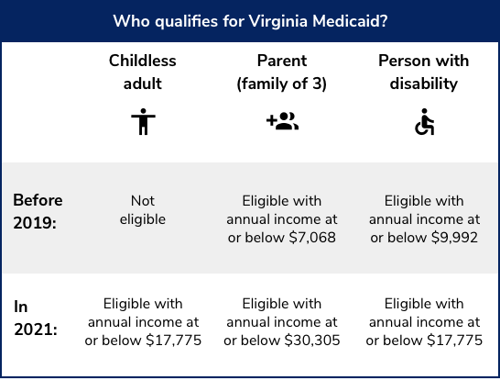
To qualify for Medicaid, you must meet specific income and asset requirements. Eligibility criteria vary by state and personal circumstances.
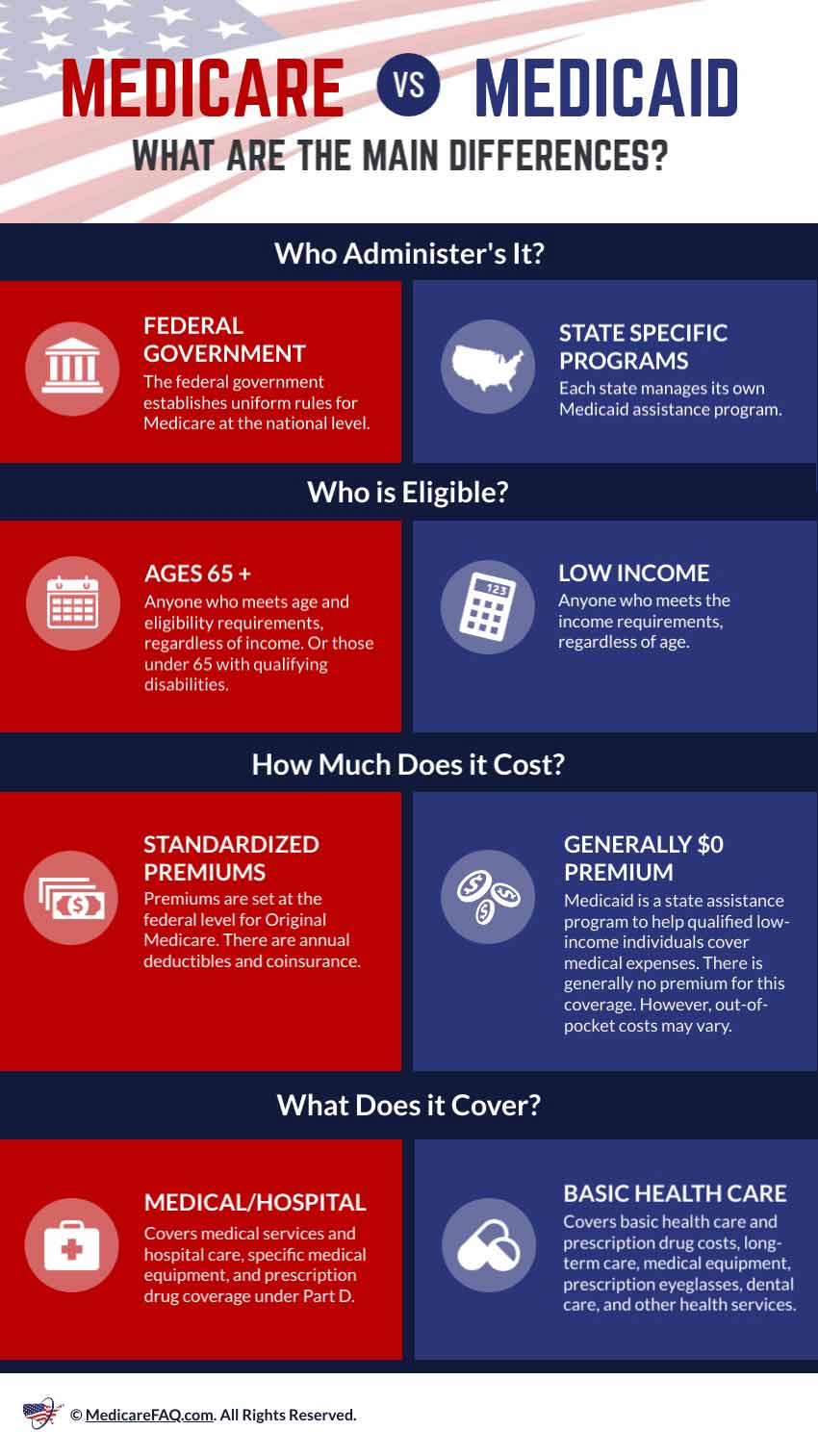
Medicaid is a joint federal and state program that provides healthcare coverage to low-income individuals and families. Each state has its own guidelines, but generally, you must fall within certain income brackets and asset limits to qualify. Some states also consider factors like age, disability, and family size.
Understanding these requirements is crucial for determining your eligibility. It’s important to check your state’s specific Medicaid program for detailed information. Applying for Medicaid can offer essential medical services, ensuring you receive the care you need. Always consult with a Medicaid representative to guide you through the application process.
Eligibility Criteria
To qualify for Medicaid, you must meet specific eligibility criteria. These criteria vary by state, but some common factors apply across the board. This section will cover the primary eligibility criteria in detail.
Income Limits
One of the main factors for Medicaid eligibility is income. Each state sets its own income limits. The income limits often depend on the size of your family. Here’s a general overview:
| Family Size | Monthly Income Limit |
|---|---|
| 1 | $1,482 |
| 2 | $2,004 |
| 3 | $2,526 |
| 4 | $3,048 |
These numbers can vary, so always check your state’s guidelines.
Age And Disability Requirements
Another important factor is age and disability. Medicaid provides coverage for:
- Children under 18
- Adults over 65
- Pregnant women
- Individuals with disabilities
Each group has specific requirements. For example, children must come from low-income families. Adults over 65 may need to qualify for SSI (Supplemental Security Income).
Disabled individuals need to meet the Social Security Administration’s definition of disability. This includes severe impairments that last at least one year.
Application Process
Applying for Medicaid can seem daunting, but breaking it down helps. The process involves gathering documentation and submitting your application. Let’s dive into each step.
Gathering Documentation
First, you need to collect essential documents. This ensures your application is complete. Here is a list of what you might need:
- Proof of Identity: Birth certificate or driver’s license.
- Proof of Citizenship: Passport or naturalization papers.
- Proof of Income: Pay stubs or tax returns.
- Proof of Residency: Utility bills or rental agreement.
- Medical Records: Recent health check-ups or prescriptions.
Ensure all documents are up-to-date and accurate. This helps speed up the process.
Submitting Your Application
Once you have all documents, it’s time to submit your application. You can do this in several ways:
- Online: Visit your state’s Medicaid website.
- By Mail: Send your application to the Medicaid office.
- In Person: Visit a local Medicaid office.
- By Phone: Call the Medicaid hotline.
Choose the method that works best for you. After submission, keep a copy of your application. This helps if there are follow-up questions.
Remember to follow up if you don’t hear back in a few weeks. This ensures your application was received and is being processed.
Interview Preparation
Getting ready for a Medicaid interview can feel overwhelming. But with the right preparation, you can make it through smoothly. This guide will help you understand the steps to prepare for your Medicaid interview.
Scheduling The Interview
First, you need to schedule your interview. Contact the Medicaid office to set a date and time. Make sure you choose a time that suits you well. Write down the interview details on your calendar. This will help you remember the date and time.
Here is a simple checklist for scheduling your interview:
- Call the Medicaid office
- Choose a convenient date and time
- Write down the interview details
Common Interview Questions
During the interview, you will be asked some common questions. Knowing these questions in advance can help you prepare better. Below is a list of common Medicaid interview questions:
| Question | Details |
|---|---|
| Income | Be ready to discuss your monthly income. |
| Household Members | Know the number of people living with you. |
| Medical Expenses | Have information about your medical bills. |
| Assets | List any assets you own, like a car or house. |
Prepare your answers to these questions. Having documents ready will also help. Bring pay stubs, medical bills, and other necessary papers. This will make the interview process smoother.
Credit: coverva.dmas.virginia.gov
Post-application Steps
After submitting your Medicaid application, there are crucial steps to take. These steps help ensure your application is processed smoothly and promptly. Follow these guidelines to stay on track.
Tracking Your Application
Once you submit your application, it’s important to track its status. This allows you to know if any additional information is needed.
Most states offer an online portal where you can log in and check your application status. You can also contact the Medicaid office directly by phone. Keep your application reference number handy for quick access.
| Tracking Method | Details |
|---|---|
| Online Portal | Log in with your username and password to check status |
| Phone | Call the Medicaid office with your application number |
Responding To Requests For Information
During the review, you might receive requests for additional information. It’s crucial to respond promptly to avoid delays.
Here are some common documents you might need to provide:
- Proof of income (pay stubs, tax returns)
- Proof of residency (utility bills, lease agreements)
- Identification documents (driver’s license, passport)
Submit these documents as soon as possible. Make sure they are clear and legible. You can send them via email, fax, or mail, based on the instructions given.
By staying proactive and organized, you increase your chances of a smooth application process. Remember, timely responses and accurate information are key.
Receiving Benefits
Once you qualify for Medicaid, you can start receiving benefits. It’s important to understand how to use these benefits effectively. This section will guide you through understanding your coverage and using your Medicaid card.
Understanding Your Coverage
Your Medicaid coverage includes many health services. These services can range from doctor visits to hospital stays. Knowing what is covered helps you get the care you need.
- Doctor Visits: Most doctor visits are covered. This includes check-ups and specialist visits.
- Hospital Stays: If you need to stay in a hospital, Medicaid will cover most costs.
- Prescription Drugs: Many medicines are covered. Always check your plan to see which ones.
- Preventive Services: Vaccinations and screenings are often covered to keep you healthy.
Each state might have different rules. Always check your specific plan details.
Using Your Medicaid Card
You will receive a Medicaid card once you qualify. This card is essential for accessing your benefits. Always carry it with you when you go to a healthcare provider.
- Present Your Card: Show your Medicaid card at every healthcare visit. This helps the provider bill Medicaid directly.
- Keep It Safe: Treat your Medicaid card like a credit card. Do not lose it or share it.
- Update Information: Keep your contact and personal information up-to-date with Medicaid.
If you lose your card, contact your Medicaid office. They will help you get a new one quickly.

Credit: www.txhealthsteps.com
Appeals And Denials
Medicaid can be a lifesaver for many individuals and families. However, the application process can sometimes lead to denials. If denied, you have the right to appeal. Understanding the appeals process can help you qualify for the benefits you need.
Filing An Appeal
If your Medicaid application is denied, you must file an appeal. Start by reading your denial letter carefully. It will explain why your application was denied. The letter will also provide instructions on how to file an appeal.
Follow these steps to file your appeal:
- Gather all required documents.
- Fill out the appeal form.
- Submit the form before the deadline.
Make sure to keep copies of everything you submit. This will help if you need to refer back to them later. You might also want to contact a Medicaid office for help. They can guide you through the appeal process.
Common Reasons For Denial
Knowing why Medicaid applications are often denied can help you avoid common mistakes. Here are some common reasons:
- Incomplete application: Missing information or documents.
- Income limits: Exceeding the income eligibility requirements.
- Residency issues: Not proving state residency.
- Asset limits: Exceeding the asset threshold.
If you understand these reasons, you can better prepare your application. Double-check all information before submitting. This will increase your chances of a successful application.
| Reason | Description |
|---|---|
| Incomplete application | Missing information or documents. |
| Income limits | Exceeding the income eligibility requirements. |
| Residency issues | Not proving state residency. |
| Asset limits | Exceeding the asset threshold. |
Credit: www.medicarefaq.com
Frequently Asked Questions
What Are The Income Limits For Medicaid?
Medicaid income limits vary by state and household size. Check your state’s specific guidelines for accurate limits.
How Do I Apply For Medicaid?
Apply for Medicaid online, by mail, or in person at your local Medicaid office. Each state has its own process.
Who Qualifies For Medicaid?
Low-income individuals, families, pregnant women, the elderly, and disabled people may qualify. Eligibility varies by state.
What Documents Do I Need For Medicaid?
You need proof of income, citizenship, residency, and medical necessity. Specific documents depend on your state.
Can I Have Other Insurance With Medicaid?
Yes, Medicaid can work as secondary insurance. It covers costs that your primary insurance does not.
Conclusion
Qualifying for Medicaid can greatly ease healthcare costs. Follow the steps outlined to determine your eligibility. Ensure all required documents are ready. Apply through your state’s Medicaid office or online portal. Always check for updates in Medicaid guidelines. This can help you secure essential healthcare coverage effectively.