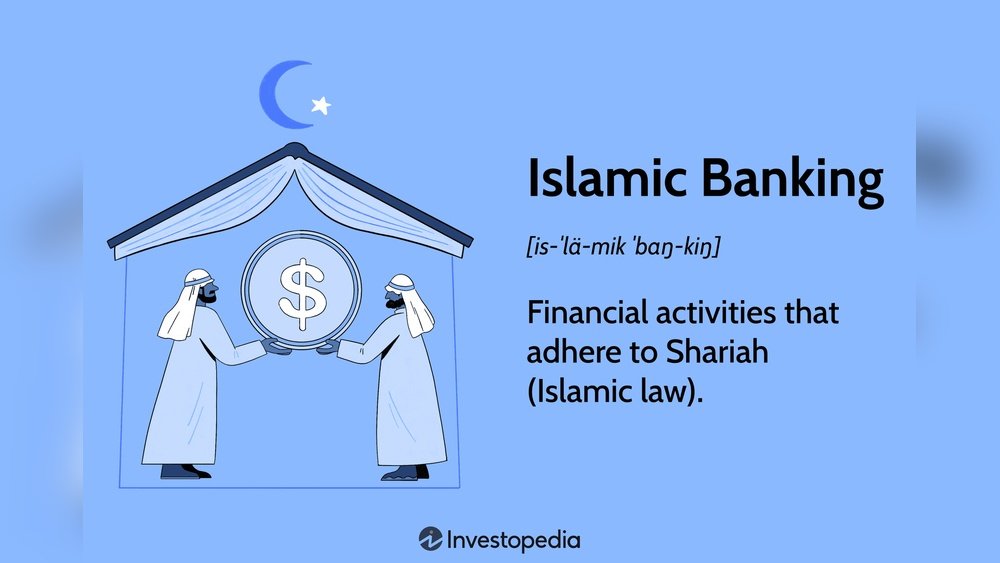
Are you looking for a way to borrow money without the burden of interest? Interest free loans in Islamic banking might be exactly what you need.
Unlike conventional loans, these loans follow strict ethical rules that avoid charging interest, making them a unique and fair financial option. But how do these loans work? And how can they benefit you in your financial journey? You’ll discover the principles behind interest free loans in Islamic banking, how they differ from traditional lending, and why they might be the right choice for your needs.
Keep reading to unlock a fresh perspective on borrowing money that respects your values and your wallet.
Islamic Banking Principles
Islamic banking follows strict rules based on Islamic law. These rules guide how banks operate without charging interest. The system focuses on fairness and sharing risk. It aims to support the community and avoid harm.
Understanding these principles helps explain how interest-free loans work. They shape every financial product and service in Islamic banking.
Sharia Law Basics
Sharia law is the foundation of Islamic banking. It comes from the Quran and the teachings of Prophet Muhammad. Sharia sets rules for all aspects of life, including finance. It encourages honesty, justice, and social welfare. Islamic banks must follow these rules in every transaction.
Prohibition Of Interest
Charging or paying interest, called riba, is forbidden in Islam. Money should not earn money by itself. Instead, it must come from real economic activity. Islamic banks avoid interest and use other methods to earn profit. This principle protects people from unfair debt and exploitation.
Ethical Finance Concepts
Islamic banking promotes ethical finance. It avoids harmful investments like gambling or alcohol. Transparency and fairness are key values. Profits and losses are shared between banks and customers. This encourages responsible lending and borrowing. Ethical finance builds trust and stability in the economy.

Credit: fastercapital.com
Mechanics Of Interest-free Loans
Interest-free loans in Islamic banking operate on unique principles. These loans avoid interest, known as riba, which is forbidden in Islam. Instead, Islamic banks use different methods to provide financial help. These methods focus on fairness, shared risk, and ethical transactions. Understanding the mechanics helps explain how Islamic banks offer loans without charging interest.
The system works through various models. Each model follows Sharia rules and promotes cooperation between the bank and the borrower. Islamic banks earn profits through trade, leasing, or partnership, not through interest. This approach supports economic justice and benefits the community.
Qard Hasan Explained
Qard Hasan means a “benevolent loan.” It is a loan given without any interest or profit. The borrower must repay only the original amount. This loan helps people in need without causing financial pressure. Islamic banks or individuals offer Qard Hasan as a charitable act.
The bank does not earn from this loan. It aims to support customers in emergencies or tough times. The borrower repays the principal amount in agreed installments. This loan type strengthens trust and social solidarity.
Profit-sharing Models
Profit-sharing is a core principle in Islamic finance. Two main models are Mudarabah and Musharakah. In Mudarabah, one party provides capital, and the other manages the project. Profits are shared based on a pre-agreed ratio. Losses, however, are borne by the capital provider.
Musharakah involves joint investment by both parties. Each partner contributes capital and shares profits and losses. This model encourages cooperation and risk sharing. It aligns the interests of the bank and the client.
Cost-plus Financing
Cost-plus financing is known as Murabaha in Islamic banking. The bank buys an item requested by the customer. Then, it sells the item to the customer at a higher price. The extra amount is agreed upon beforehand and is not called interest.
The customer pays the price in installments. This method is transparent and clear. It allows customers to plan payments without surprise charges. Murabaha is common for home and car financing in Islamic banks.
Benefits For Borrowers
Interest free loans in Islamic banking offer distinct benefits for borrowers. These loans follow Islamic law, which forbids charging interest. Borrowers find relief and fairness through this system. It helps many people avoid heavy financial stress and supports the community as a whole.
Financial Fairness
Islamic banking ensures fairness in all financial dealings. Borrowers pay only the amount they borrow without extra charges. This removes the burden of unfair interest rates. The system treats everyone equally and with respect. It promotes transparency, so borrowers understand all terms clearly. This builds trust between the bank and its customers.
Avoidance Of Debt Burden
Interest free loans help borrowers avoid growing debt. Without interest, the loan amount does not increase over time. Borrowers repay only what they originally borrowed. This prevents debt from becoming unmanageable. It encourages responsible borrowing and timely repayment. This relief reduces stress and improves financial stability.
Community Support
Islamic banking fosters a strong sense of community. Interest free loans often come with support from the lender and local groups. The system encourages helping others in need. It promotes shared growth and financial cooperation. This creates a caring environment where everyone benefits. Communities grow stronger through mutual assistance and ethical finance.

Credit: fastercapital.com
Benefits For Islamic Banks
Islamic banks gain unique benefits by offering interest free loans. These benefits support their growth and align with Sharia principles. Interest free loans open new opportunities beyond traditional banking.
Such loans help Islamic banks maintain ethical standards while attracting diverse customers. They create a stable and trusted financial environment. Islamic banks also enjoy advantages in managing risks and revenues.
Alternative Revenue Streams
Interest free loans encourage Islamic banks to explore new revenue methods. Instead of charging interest, banks earn through profit-sharing and fees. Methods like Murabaha and Ijara generate income without violating Sharia.
This diversification reduces reliance on interest-based earnings. It strengthens financial stability and expands business options. Islamic banks can better serve different customer needs with these models.
Risk Sharing Advantages
Islamic banking promotes sharing profits and losses with customers. Interest free loans encourage cooperation between bank and borrower. This reduces default risk and spreads financial responsibility.
Such risk sharing aligns with Islamic values of fairness and justice. It helps banks manage credit risk more effectively. This approach creates stronger partnerships and reduces conflicts.
Customer Loyalty
Offering interest free loans builds trust with customers. People appreciate ethical banking that avoids exploitative interest. This trust results in long-term relationships and repeat business.
Islamic banks gain loyal clients who value transparency and fairness. Satisfied customers often recommend the bank to others. Loyalty supports sustainable growth and market reputation.
Common Interest-free Products
Islamic banking offers a variety of interest-free financial products. These products follow Shariah laws that forbid charging interest. Instead, banks use profit-sharing and trade-based contracts. Customers can access financing without worrying about interest costs. This section highlights common interest-free products available today.
Home Financing Options
Islamic banks provide home financing without interest. One popular method is Murabaha, where the bank buys the house and sells it to the customer at a fixed profit. Another method is Ijara, a leasing contract where the bank leases the property to the buyer. These options help families buy homes ethically and affordably.
Personal Loans
Personal loans in Islamic banking avoid interest by using profit-sharing or cost-plus models. The bank and customer agree on a fixed fee or share profits from the loan use. These loans cover education, medical needs, or emergencies. They support financial needs while respecting Islamic principles.
Business Financing
Islamic business financing promotes fairness and risk-sharing. Common products include Mudarabah, where the bank and entrepreneur share profits and losses. Another option is Musharakah, a joint venture with shared investment and returns. These methods help businesses grow without interest burdens.
Challenges And Misconceptions
Interest free loans in Islamic banking face unique challenges and common misconceptions. These issues affect the understanding and acceptance of Sharia-compliant finance worldwide. Misunderstandings often arise from how Islamic banks structure their fees and profits. Regulatory environments and transparency also pose hurdles. Understanding these aspects helps clear confusion and build trust.
Fee Structures Vs Interest
Islamic banks avoid charging interest, called riba, as it is prohibited by Sharia law. Instead, they use fee-based models. These may include fixed fees or profit-sharing arrangements. Critics sometimes view these fees as hidden interest. Yet, fees reflect the actual cost of service or risk, not a fixed interest rate. This distinction is vital for compliance and fairness.
Global Regulatory Issues
Islamic banking operates in many countries with different laws. Some regulations do not recognize profit-sharing or fee-based contracts fully. This creates challenges in licensing and oversight. Banks must navigate varying rules to offer Sharia-compliant products. Lack of uniform standards slows the global growth of interest free loans. Harmonizing laws could improve acceptance and trust.
Transparency Concerns
Transparency is key to Islamic finance credibility. Borrowers want clear information on fees and terms. Some critics argue that Islamic banks lack full disclosure. This may cause doubts about fairness and compliance. Banks need to provide detailed, simple explanations. Clear contracts build confidence and reduce misconceptions about hidden costs.
Interest-free Loans Worldwide
Interest-free loans are a key part of Islamic banking worldwide. These loans follow Shariah law, which forbids charging interest. Instead, Islamic banks use profit-sharing and leasing methods. This system helps many people access finance fairly.
Interest-free loans are popular in many regions. Different countries have developed models that fit their culture and economy. These models provide alternatives to conventional loans with interest.
Us Market Examples
In the US, Islamic finance is growing steadily. Companies like LARIBA offer Sharia-compliant home financing. These loans avoid interest by using cost-plus sales and lease-to-own contracts. This makes home buying possible for Muslims seeking halal options.
Several credit unions also provide interest-free loan programs. They focus on community support and ethical lending. These programs help low-income families without charging interest fees.
Middle East Practices
The Middle East is the birthplace of Islamic banking. Countries like Saudi Arabia and UAE have many Islamic banks. They use methods like Murabaha (cost-plus financing) and Mudarabah (profit sharing). These methods replace interest with fair profit margins.
Governments also promote interest-free loans to support small businesses and housing. This encourages economic growth while respecting Islamic principles. Islamic banks here lead the world in interest-free finance innovation.
South Asian Models
South Asia has a large Muslim population using Islamic finance. Pakistan and Bangladesh have many Islamic banks offering interest-free loans. They use models like Qard Hasan (benevolent loans) without profit.
These loans often support education, health, and micro-enterprises. Community-based lending groups also thrive here. They provide interest-free credit to help people start small businesses or manage emergencies.
Future Trends In Islamic Finance
The future of Islamic finance holds promise and growth. This sector adapts to new challenges and changes quickly. Innovations and a wider market will shape its path. Islamic finance aims to remain ethical and inclusive. It will focus on sustainability and technology. These trends will strengthen interest-free loans and Islamic banking worldwide.
Technological Innovations
Technology improves access and efficiency in Islamic finance. Digital platforms make interest-free loans easier to get. Blockchain ensures transparency and trust in transactions. Mobile apps help customers manage accounts anytime. Artificial intelligence supports risk assessment and customer service. These tools reduce costs and speed up services. They make Islamic finance more user-friendly and secure.
Expanding Market Reach
Islamic finance reaches beyond Muslim-majority countries. More people seek ethical and fair financial products. Banks enter new markets to serve diverse customers. Interest-free loans attract those avoiding conventional interest. Cross-border collaborations increase investment opportunities. Financial education spreads awareness about Islamic banking. This expansion creates more choices for borrowers and investors.
Sustainable Finance
Sustainability is a key focus in Islamic finance. It supports projects that protect the environment. Green financing funds renewable energy and clean technology. Socially responsible investing aligns with Islamic values. Interest-free loans often finance small businesses and communities. This approach promotes long-term economic and social welfare. Islamic finance contributes to a healthier planet and society.

Credit: www.sciencedirect.com
Frequently Asked Questions
Do Islamic Banks Give Loans Without Interest?
Islamic banks do not charge interest on loans. They use profit-sharing, leasing, and cost-plus models to comply with Sharia law.
Can I Get An Interest-free Loan In Islamic Bank?
Islamic banks offer interest-free loans following Sharia law. They use profit-sharing, leasing, or cost-plus models instead of interest charges.
Is It Possible To Get A Loan With 0% Interest?
Yes, some loans offer 0% interest, often as promotional deals or through Islamic banking. These loans use profit-sharing or fees instead of interest. Government programs may also provide interest-free loans. Always check terms carefully to understand costs and conditions.
Can Muslims Get Interest-free Loans In The Us?
Muslims in the US can access interest-free loans through Islamic banks like LARIBA. These loans follow Sharia principles, using profit-sharing or fee-based models instead of interest. Many institutions offer halal financing options that comply with Islamic law and avoid riba (interest).
Conclusion
Interest-free loans in Islamic banking follow clear ethical rules. They avoid interest and promote fairness and sharing. Islamic banks earn through profit-sharing and leasing methods. This system supports honest and transparent financial dealings. People seeking loans without interest find Islamic banking helpful.
Understanding these principles helps make informed financial choices. Islamic finance offers a unique, ethical way to borrow money. It fits well with many people’s values and beliefs. Exploring these options can lead to responsible borrowing and lending.