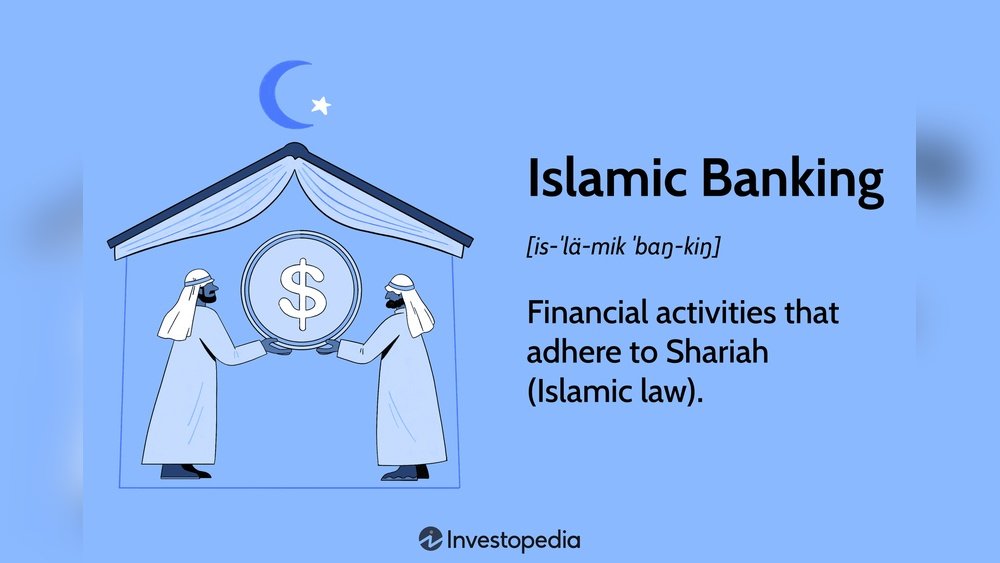
Are you a student worried about managing your finances while staying true to your Islamic values? Navigating the world of banking can be confusing, especially when traditional loans involve interest, which Islam forbids.
But what if there was a way to handle your money that respects your beliefs and supports your educational goals? Islamic banking for students offers just that—financial solutions designed to help you fund your studies without compromising on your faith.
You’ll discover how Islamic banking works, the benefits it brings to students like you, and practical steps to access interest-free financing. Keep reading to find out how you can take control of your education funding with confidence and peace of mind.

Credit: www.bates.edu
Basics Of Islamic Banking
Islamic banking offers a unique way to manage money. It follows rules based on Islamic law, known as Shariah. These rules guide how banks operate and serve customers. Understanding the basics helps students grasp how this system works differently from conventional banking.
Islamic banking avoids certain practices that are common in traditional banks. It focuses on fairness and ethical finance. This approach can appeal to students who want to align their finances with their beliefs.
Core Principles
Islamic banking is built on clear principles. It promotes justice, transparency, and shared risk. Banks avoid uncertainty and gambling in financial deals. Every transaction must follow ethical guidelines to protect all parties involved.
Prohibition Of Interest
Charging or paying interest is not allowed in Islamic banking. This rule is called “Riba.” It prevents unfair earnings from loans. Instead, banks earn money through profit-sharing and service fees. This keeps financial dealings fair and honest.
Profit And Loss Sharing
In Islamic banking, profits and losses are shared between the bank and customers. This system encourages cooperation and trust. It aligns the interests of both parties, reducing risks. Everyone involved has a stake in the success of the venture.
Islamic Finance And Students
Islamic finance offers a unique approach for students seeking education funding. It follows rules that avoid interest, which is forbidden in Islam. This system helps Muslim students manage their finances while respecting their beliefs. Understanding how Islamic finance works can guide students to better choices in paying for school.
Challenges With Traditional Loans
Traditional student loans usually charge interest. Paying interest is not allowed in Islam. Many Muslim students face a dilemma. They need money for tuition but want to avoid interest-based loans. This can limit their options and cause stress. High interest rates may also increase debt load. These challenges push students to seek alternatives.
Alternatives To Interest-based Loans
Islamic finance provides alternatives that do not involve interest. One option is profit-sharing models. The lender and student share risks and rewards. Another option is cost-plus financing, where the lender sells goods or services at a fixed profit. Some organizations offer interest-free loans funded by charity. These methods help students avoid debt traps while funding education.
Ethical Considerations For Muslim Students
Islamic finance focuses on fairness and justice. Students must choose financial products that align with their values. Avoiding interest is one key rule. Transparency and honesty in contracts are also important. Supporting ethical finance promotes community well-being. Muslim students benefit by choosing options that respect their faith and personal ethics.
Types Of Islamic Financial Products
Islamic banking offers various financial products designed to meet the needs of students. These products follow Sharia law, which prohibits interest and promotes ethical investments. Students can access options that support their education without compromising their religious beliefs.
Interest-free Student Loans
Islamic banks provide student loans without charging interest. These loans follow the principle of profit-sharing or cost-plus financing. Instead of interest, the bank earns a fixed fee or shares profits from the student’s future earnings. This helps students avoid debt traps and aligns with Islamic values.
Savings And Checking Accounts
Students can open savings and checking accounts with Islamic banks. These accounts do not pay interest but offer other benefits, like profit-sharing or service fees. The money is invested in halal businesses, ensuring compliance with Sharia. This allows students to save safely and responsibly.
Investment Options Compliant With Sharia
Islamic banks offer investment opportunities that follow Sharia rules. These include funds that avoid businesses related to alcohol, gambling, or interest-based lending. Students can invest in stocks, mutual funds, or sukuk (Islamic bonds) that promote social justice and ethical growth.
Finding Islamic Banking Services In The Us
Finding Islamic banking services in the US is easier than many expect. The demand for Sharia-compliant financial products grows steadily. Muslim students benefit from tailored banking options that respect their beliefs. Various sources provide access to Islamic banking across the country.
Local Community Initiatives
Local Muslim communities often start initiatives to support Islamic banking. These groups work with financial experts to create awareness. They host workshops explaining how Islamic finance works. Students can join these events to learn and connect with providers. Community centers sometimes offer guidance on Sharia-compliant banking options.
Banks Offering Sharia-compliant Products
Several US banks now offer Islamic banking products. These banks follow strict rules to avoid interest (riba). They provide accounts, savings, and financing aligned with Islamic law. Some banks partner with Islamic organizations to ensure compliance. Students can open accounts designed to avoid interest and fees.
Online Platforms For Islamic Finance
Online platforms make Islamic banking accessible from anywhere. They offer digital accounts and investment options without interest. These platforms often include educational resources on Islamic finance. Students can manage their money using apps that follow Sharia principles. The convenience of online services suits busy academic lifestyles.
Smart Financial Tips For Students
Managing money wisely is important for every student. Islamic banking offers financial ways that follow Islamic rules. These smart tips help students handle money without worry. They focus on fairness, honesty, and avoiding harm. Learning these tips can build strong money habits early.
Budgeting With Islamic Principles
Create a budget that respects Islamic values. Track all income and expenses carefully. Spend only on needs before wants. Avoid waste and extravagance, as Islam teaches moderation. Set aside savings regularly for future needs. This keeps finances balanced and stress low.
Avoiding Debt And Interest
Islam forbids paying or earning interest. Avoid loans that charge interest, including many student loans. Use interest-free financing options or scholarships. Save money before making big purchases. Staying debt-free protects your financial peace and faith.
Maximizing Zakat And Charity Funds
Zakat is a duty to help those in need. Use zakat wisely to support education and living costs. Seek charities that offer scholarships or interest-free loans. Giving and receiving help strengthens the community. It also brings blessings and peace of mind.

Credit: www.qatar.cmu.edu
Success Stories And Resources
Success stories and resources inspire many students interested in Islamic banking. Real experiences and helpful platforms guide learners step-by-step. These resources build confidence and open new paths in Islamic finance education.
Many students share their journeys of understanding and applying Islamic banking principles. Their stories show how challenges turn into opportunities. These experiences highlight practical tips and lessons learned.
Student Experiences
Students from different backgrounds discuss their Islamic banking education. Some explain how they avoid interest-based loans. Others share how they found halal financial products. These stories encourage new students to stay committed.
For example, a student in Austin, Texas, found a local Islamic bank. They used it to save money without breaking religious rules. Another student used online platforms to learn about profit-sharing models. These real-life examples make the topic easier to grasp.
Educational Platforms
Several websites and online courses teach Islamic finance basics. They explain key concepts like halal investments and profit-sharing. These platforms use simple language and clear examples.
Popular resources include Islamic Finance Guru and AIMS Education. They offer videos, articles, and quizzes. These tools help students understand complex ideas quickly. Many platforms also provide certificates to boost students’ resumes.
Support Networks And Organizations
Support groups and organizations help students connect with experts. Groups like A Continuous Charity provide financial aid without interest. They support Muslim students pursuing higher education.
Other organizations offer mentoring and workshops on Islamic banking. These networks create a community that shares knowledge and advice. Joining such groups helps students feel supported and motivated.

Credit: internationalbanker.com
Frequently Asked Questions
Is Islamic Banking Allowed In The Usa?
Islamic banking is allowed in the USA through specialized products complying with federal laws and Shariah principles. Some banks offer interest-free, profit-based financing. This sector remains small but is growing, serving Muslim communities seeking Shariah-compliant financial services.
What Is The 30% Rule In Islamic Finance?
The 30% rule in Islamic finance limits interest-based debt to 30% of an individual’s total income. It helps maintain financial balance and avoid excessive debt.
Can I Get A Student Loan In Islam?
Islam forbids interest-based loans, including most student loans. Seek interest-free or Islamic financing options to comply with Shariah law.
Do Muslims Get 0% Interest?
Muslims avoid paying or earning interest (riba) due to Islamic law. Instead, they use profit-sharing or interest-free loans. Some institutions offer Sharia-compliant, 0% interest financing options to support Muslim students and communities.
Conclusion
Islamic banking offers students a way to manage money without interest. It respects religious beliefs and helps avoid debt traps. Students can find Sharia-compliant options for saving and financing. This approach supports education while following Islamic rules. Exploring these options can provide financial peace of mind.
Understanding how Islamic banking works helps students make smart choices. It encourages ethical money use and responsible borrowing. Students benefit from services that align with their values. Islamic banking grows steadily, offering more solutions each year. Choosing the right path leads to financial stability and success.