Are you curious about how banking can align with your values and still meet your financial needs? Islamic banking in Dubai offers a unique approach that goes beyond traditional banking by following Sharia principles—meaning no interest and ethical investments.
If you want to understand how this system works, why it’s gaining popularity, and how it can benefit your personal or business finances, you’re in the right place. Dive in to discover how Islamic banking in Dubai can provide you with secure, transparent, and faith-compliant financial solutions tailored just for you.
Shariah Principles In Banking
Islamic banking in Dubai operates under strict Shariah principles. These principles guide all financial activities to ensure they align with Islamic law. The system emphasizes fairness, transparency, and ethical dealings in banking.
Shariah principles set Islamic banking apart from conventional banking. They promote social justice and economic welfare through unique financial practices. Understanding these principles helps customers appreciate the core values of Islamic finance.
Core Concepts Of Islamic Finance
Islamic finance is built on key concepts that differ from conventional banking. Profit and loss sharing, asset-backed financing, and risk management are essential. These concepts ensure that all transactions are fair and based on real economic activity.
Prohibition Of Interest
Charging or paying interest, known as riba, is forbidden in Islamic banking. Instead, banks earn profit through trade, leasing, and partnership contracts. This approach avoids exploitation and promotes equitable wealth distribution.
Risk Sharing And Profit Loss
Islamic banking encourages sharing risks between the bank and customers. Both parties share profits and losses from investments. This principle fosters cooperation and reduces the chance of unfair gain.
Ethical Investment Guidelines
Investments must follow ethical rules under Shariah. Activities involving alcohol, gambling, or pork products are prohibited. Banks focus on socially responsible projects that benefit the community and avoid harm.
Credit: mediaoffice.ae
Islamic Banking Landscape In Dubai
Dubai has become a major hub for Islamic banking in the Middle East. The city offers a strong platform for banks that follow Shariah principles. Islamic banking in Dubai grows steadily and attracts many investors and customers. It provides financial services without interest, focusing on profit-sharing and ethical investments.
Dubai’s diverse economy and strategic location support the growth of Islamic banks. The government promotes Islamic finance as part of its vision to become a global financial center. As a result, Islamic banks in Dubai play a key role in shaping the financial market.
Key Islamic Banks In Dubai
Several Islamic banks lead the market in Dubai. Dubai Islamic Bank is the largest and most well-known. Emirates Islamic and Noor Bank are also important players. These banks offer various products like savings accounts, home financing, and business loans. They follow strict Shariah guidelines to ensure all transactions are halal.
Growth And Market Share
Islamic banking in Dubai has shown strong growth over the last decade. Its market share has increased as more people prefer Shariah-compliant services. The sector attracts both retail and corporate customers. Growth is driven by innovation and customer trust in ethical banking. This trend reflects the rising demand for Islamic financial products.
Role Of Dubai Islamic Bank
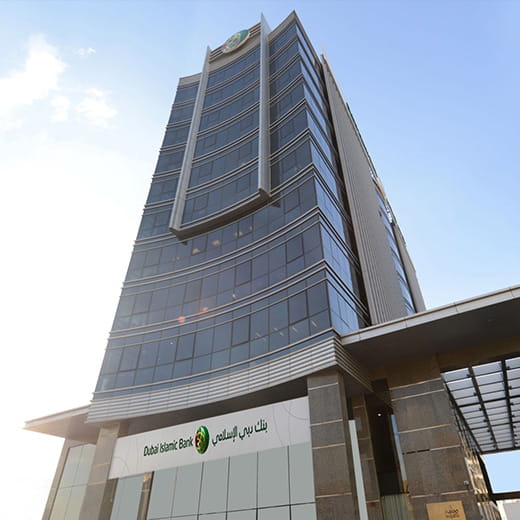
Dubai Islamic Bank (DIB) is a pioneer in Islamic finance. It was the first Islamic bank in the UAE, founded in 1975. DIB sets high standards for Shariah compliance and customer service. The bank offers digital solutions to make banking easier. DIB also supports community projects and promotes financial inclusion.
Regulatory Environment
Dubai’s Islamic banks operate under strict regulations. The Central Bank of UAE oversees all banking activities. It ensures banks follow Shariah rules and maintain financial stability. The Shariah Supervisory Boards review products and contracts regularly. This regulatory framework builds trust and protects customers’ rights.
Financial Products And Services
Islamic banking in Dubai offers a wide range of financial products and services. These products follow Shariah law principles, avoiding interest and promoting ethical investments. Customers find options that meet their financial needs while respecting Islamic values.
The market includes savings accounts, home and auto financing, business banking, and digital innovations. Each product is designed to provide convenience and compliance with Islamic rules.
Shariah-compliant Savings Accounts
Shariah-compliant savings accounts do not earn interest. Instead, profits come from shared business ventures or investments. These accounts offer safe and ethical ways to save money. Customers benefit from transparency and risk-sharing methods.
Islamic Home And Auto Financing
Islamic home and auto financing avoids interest charges. Financing uses concepts like Murabaha and Ijara, which involve cost-plus sales or leasing. This helps customers own homes or vehicles with clear payment terms. Financing is structured to meet Islamic ethical standards.
Business And Corporate Banking
Business banking services follow Shariah principles too. They include trade finance, working capital, and investment accounts. These services help businesses grow without involving interest. Corporate clients get access to ethical funding and financial solutions.
Digital Banking Innovations
Digital platforms in Islamic banking make transactions easy and quick. Mobile apps and online portals offer account management, transfers, and payments. These tools support Shariah compliance and customer convenience. Technology enhances access to Islamic financial products in Dubai.
Benefits For Customers
Islamic banking in Dubai offers unique benefits tailored to meet customer needs. It combines financial services with principles of fairness and transparency. Customers enjoy solutions that respect their values while providing practical advantages. These benefits make Islamic banking a popular choice for many residents in Dubai.
Interest-free Financing Advantages
Islamic banks avoid charging interest, known as riba. This approach aligns with Islamic law, which prohibits earning money from interest. Instead, banks use profit-sharing and leasing models. Customers can access financing without worrying about interest fees. This system supports fair and clear financial dealings for all parties.
Ethical And Social Responsibility
Islamic banking promotes ethical investment and social welfare. Banks avoid funding harmful industries like alcohol and gambling. They support projects benefiting the community and environment. Customers contribute to positive social impact through their banking choices. This ethical focus builds trust and respect.
Security And Privacy Measures
Banks in Dubai prioritize customer data protection. Advanced technology secures personal and financial information. Strict policies prevent unauthorized access and data leaks. Customers feel confident their privacy is respected. This focus on security enhances the overall banking experience.
Accessibility For Expats And Nationals
Islamic banks in Dubai serve both nationals and expatriates. They offer products designed to meet diverse financial needs. Account opening processes are straightforward and welcoming. Banking services are available in multiple languages. This accessibility helps a wide range of customers manage their finances easily.
Challenges And Opportunities
Islamic banking in Dubai faces distinct challenges but holds significant opportunities for growth. Navigating these issues helps shape the future of this sector. The market demands innovation, awareness, and strategic expansion.
Success depends on balancing tradition with modern banking needs. The following sections explore key challenges and potential areas for development.
Competition With Conventional Banks
Conventional banks have a strong presence in Dubai’s financial landscape. They offer familiar services and wide networks, making competition stiff. Islamic banks must highlight their unique, Sharia-compliant products. Building trust and demonstrating value are essential to attract customers.
Public Awareness And Education
Many customers still confuse Islamic banking with conventional banking. Awareness about how Islamic finance works remains low. Banks need to educate the public on benefits and principles. Clear, simple communication can help people make informed choices.
Technological Adoption
Technology plays a vital role in modern banking services. Islamic banks must invest in digital platforms and mobile apps. Keeping up with fintech trends improves customer experience and operational efficiency. Digital innovation can also attract younger clients.
Expansion Potential In Uae And Beyond
Dubai’s strategic location offers chances to grow within the UAE and neighboring countries. Islamic banks can expand services to underserved markets. Cross-border partnerships and tailored products can boost growth. Careful planning will ensure compliance with local regulations.
.png)
Credit: buzdy.com
Future Trends In Islamic Banking
The future of Islamic banking in Dubai shows strong promise. It aims to blend tradition with modern needs. Innovations will shape how services reach customers. Growth will focus on technology, sustainability, and global connections. Dubai’s Islamic banks plan to stay ahead in a changing world.
Digital Transformation And Fintech
Digital transformation will drive Islamic banking’s growth in Dubai. Banks adopt new technology to improve customer experience. Mobile apps and online platforms make banking easier and faster. Fintech startups introduce innovative Shariah-compliant solutions. Artificial intelligence and blockchain will enhance security and transparency. This shift helps reach more people with efficient services.
Sustainable And Green Finance
Islamic banks in Dubai focus on sustainability and green finance. Projects that protect the environment gain more funding. Green sukuk (Islamic bonds) become popular investment tools. Financing supports renewable energy and eco-friendly businesses. These efforts align with Dubai’s commitment to a greener future. Islamic banking promotes ethical investments that respect nature.
Cross-border Islamic Banking
Cross-border banking expands Islamic finance beyond Dubai’s borders. Banks collaborate with partners in other Islamic countries. This increases access to international markets and investors. Harmonizing Shariah standards helps ease transactions across borders. Dubai serves as a hub for global Islamic finance activities. Customers benefit from seamless services worldwide.
Regulatory Developments
Regulatory frameworks evolve to support Islamic banking growth. Authorities update rules to ensure transparency and compliance. New guidelines help balance innovation with risk management. Regulators encourage banks to adopt best practices in governance. Clear rules build trust among customers and investors. Dubai’s regulators focus on strengthening the Islamic finance industry.

Credit: waya.media
Frequently Asked Questions
Is Dubai Islamic Bank Interest Free?
Dubai Islamic Bank operates on Sharia principles and does not charge or pay interest. It offers interest-free banking services.
How Safe Is Dubai Islamic Bank?
Dubai Islamic Bank ensures high security by protecting personal data with advanced encryption and secure servers. It follows strict Islamic banking principles and regulatory standards for safety and reliability. Customers trust its robust fraud prevention and privacy measures, making it a safe choice in the UAE.
How Much Salary To Open A Dubai Islamic Bank Account?
To open a Dubai Islamic Bank account, a minimum monthly salary of AED 3,000 is required.
How Safe Is Emirates Islamic Banking?
Emirates Islamic ensures high safety by adhering to global security standards and protecting customer data against unauthorized access.
Conclusion
Islamic banking in Dubai offers a unique, interest-free financial solution. It follows Sharia principles, ensuring ethical and fair transactions. Many banks in Dubai provide secure and accessible Islamic banking services. These services attract both residents and businesses seeking trusted financial options.
Dubai continues to grow as a global hub for Islamic finance. Choosing Islamic banking here supports transparency and social responsibility. Explore options carefully to find the best fit for your needs. The future of banking in Dubai looks promising and inclusive.