Are you looking for a smart way to grow your investments while staying true to your values? Islamic Bonds, or Sukuk, offer a unique opportunity to do just that.
Unlike conventional bonds that involve interest payments, Sukuk are designed to comply with Sharia law by representing ownership in tangible assets. This means your money works through real projects, generating profits without conflicting with Islamic principles. You’ll discover what Sukuk are, how they work, and why they might be the perfect addition to your financial portfolio.
Ready to explore a halal investment option that combines ethics with returns? Keep reading to unlock the potential of Islamic Bonds.
Credit: blog.zoya.finance
Basics Of Sukuk
Sukuk are financial certificates that follow Islamic law. These certificates offer a way for investors to earn profits without violating Shariah rules. Understanding the basics of Sukuk helps in grasping their unique role in Islamic finance.
Sukuk are growing in popularity worldwide. They provide an ethical investment option aligned with Islamic principles. Below are key aspects to know about Sukuk.
Definition And Origins
Sukuk means certificates in Arabic. They represent ownership in tangible assets or projects. The concept started to offer an alternative to conventional bonds. Sukuk first emerged in the late 20th century. They aim to comply fully with Islamic law. These certificates allow investors to share profits and risks.
Shariah Compliance
Sukuk must follow strict Shariah rules. Charging or paying interest is forbidden in Islam. Instead, Sukuk holders get returns from actual asset profits. The underlying assets must be halal, or permitted. Islamic scholars review Sukuk structures before issuance. This ensures that investments are free from prohibited elements. Transparency and fairness are key principles in Sukuk.
Comparison With Conventional Bonds
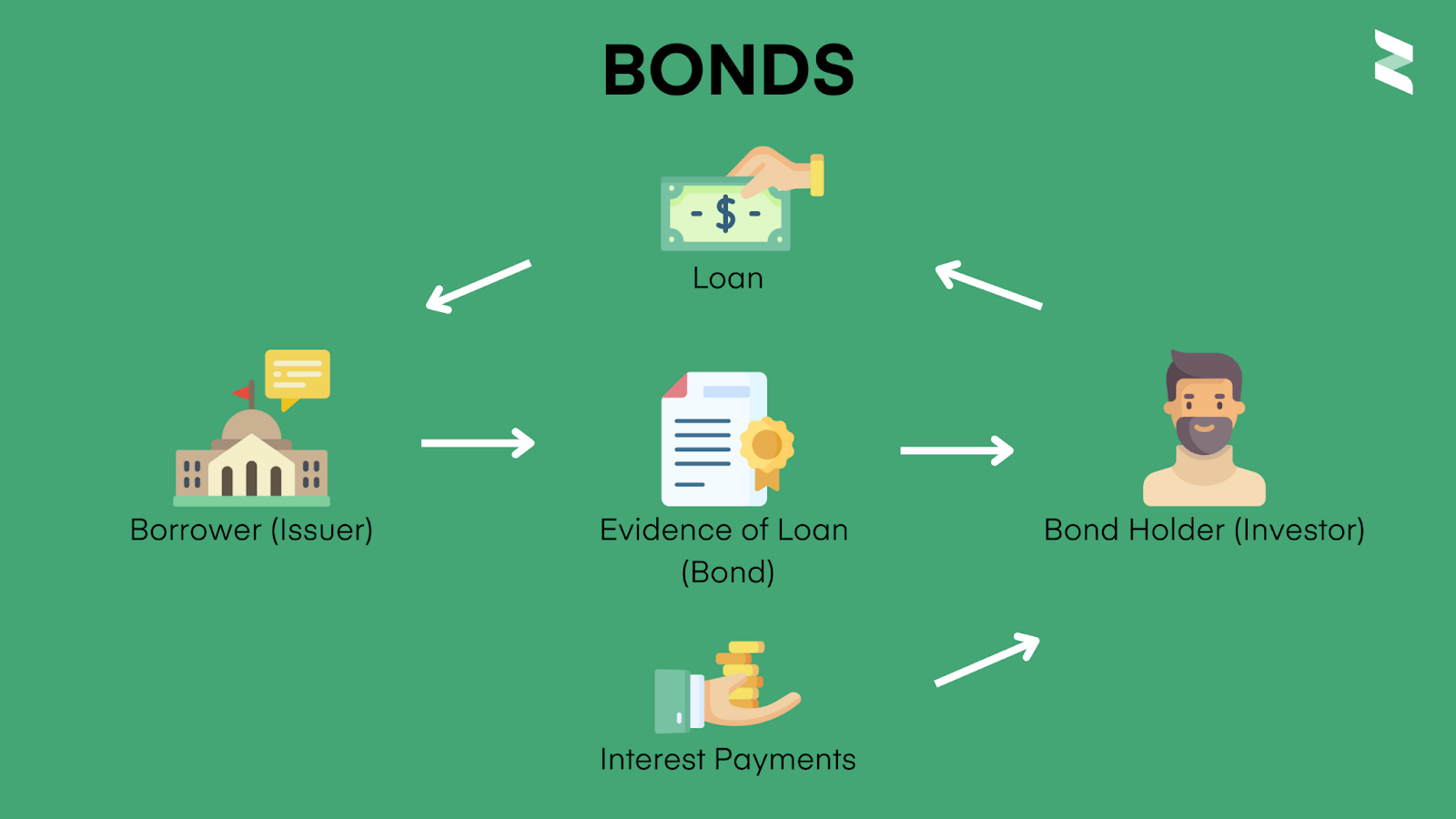
Conventional bonds are loans where interest is paid regularly. Sukuk represent ownership, not debt. Investors in Sukuk share asset risks and rewards. Bonds guarantee fixed interest payments, Sukuk do not. This makes Sukuk more aligned with ethical investing. Sukuk structures vary but always avoid riba, or interest. Investors looking for Shariah-compliant options prefer Sukuk over bonds.
Credit: ethis.co
Types Of Sukuk
Investing in Islamic bonds, known as Sukuk, offers many benefits. These financial certificates comply with Islamic law and appeal to diverse investors. Sukuk provide an ethical way to grow wealth while ensuring steady returns. They also help investors balance their portfolios and reduce risks linked to conventional investments.
Ethical And Halal Investment
Sukuk investments follow strict Islamic principles. They avoid interest, gambling, and unethical businesses. This makes them suitable for investors seeking halal options. Investors can support projects that align with their values. This ethical focus attracts a growing number of individuals worldwide.
Steady Income Streams
Sukuk offer predictable income through profit-sharing or lease arrangements. Investors receive regular payments tied to underlying assets. This steady cash flow suits those needing reliable returns. The income is often more stable than typical stock dividends.
Portfolio Diversification
Adding Sukuk to an investment mix spreads risk across various asset classes. They provide exposure to real assets like property and infrastructure. This reduces dependence on stocks and bonds alone. Diversification can improve overall portfolio performance and stability.
Risk Mitigation
Sukuk investments are backed by tangible assets, lowering default risks. Their structure prevents excessive speculation and debt accumulation. This makes them safer during market volatility. Investors gain protection from high-risk financial behaviors common in conventional bonds.

Credit: www.youtube.com
Frequently Asked Questions
What Are Sukuk Islamic Bonds?
Sukuk are Islamic bonds that represent ownership in assets, complying with Sharia law. They avoid interest and share profits.
What Is The Difference Between A Bond And A Sukuk?
A bond is a debt instrument with interest payments. A sukuk represents ownership in assets and complies with Islamic law, avoiding interest.
What Are The Disadvantages Of Sukuk?
Sukuk may have limited liquidity and lower returns than conventional bonds. Credit rating impacts investor trust. Complex structures increase costs. Regulatory differences can limit market access. These factors may reduce their attractiveness to some investors.
Is Sukuk Halal Or Haram?
Sukuk are halal financial certificates that comply with Sharia law. They represent ownership in assets, not interest-based debt. Investors earn profit from real projects, making sukuk a permissible and ethical investment for Muslims.
Conclusion
Islamic bonds, or Sukuk, offer a unique way to invest following Sharia law. They represent ownership in real assets, not debt. This structure avoids interest, making Sukuk suitable for many investors. Sukuk also support ethical and transparent finance. Understanding their benefits and risks helps make better decisions.
As global interest grows, Sukuk play an important role in modern finance. Exploring Sukuk can diversify your investment portfolio safely and responsibly.