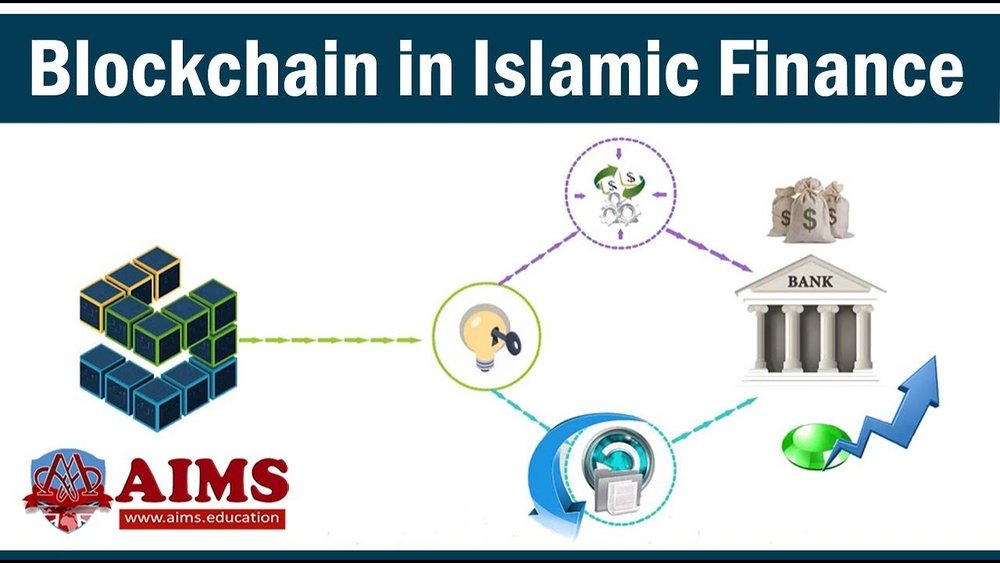
Are you curious about how cutting-edge technology meets timeless principles? Islamic Finance Blockchain is reshaping the way financial transactions are conducted by combining the transparency and security of blockchain with the ethical values of Islamic finance.
But what does this mean for you? Imagine having financial services that are not only efficient and trustworthy but also fully aligned with your faith. Whether you’re an investor, a business owner, or just someone interested in ethical finance, understanding this powerful fusion could open new doors for your financial future.
Keep reading to discover how blockchain is transforming Islamic finance and what opportunities it could bring to your world.
Blockchain And Islamic Finance
Blockchain technology offers new possibilities for Islamic finance. It supports the core values of this financial system. Islamic finance focuses on fairness, ethical behavior, and transparency. Blockchain’s features align well with these principles. This makes it a strong candidate for integration in Islamic finance products and services.
Shariah Compliance In Blockchain
Shariah compliance means following Islamic law in financial transactions. Blockchain can help verify and record these transactions clearly. Smart contracts on blockchain ensure rules are followed automatically. This reduces errors and fraud risks. Auditors and scholars can review blockchain data easily. This strengthens trust in Islamic financial products.
Ethical Principles In Islamic Finance
Islamic finance is based on ethical behavior and social justice. It forbids interest (riba) and speculative activities (gharar). Blockchain’s transparency helps prevent unfair practices. It also supports profit and loss sharing models. This technology encourages responsible investing and lending. It fits the ethical goals of Islamic finance well.
Blockchain’s Role In Transparency
Transparency is vital in Islamic finance to ensure fairness. Blockchain stores data in a secure, unchangeable way. Every transaction is visible to all allowed parties. This openness reduces corruption and misuse of funds. Customers can track their investments in real time. Transparency builds stronger confidence in Islamic financial systems.

Credit: www.fintechweekly.com
Permissibility Of Crypto In Islam
The permissibility of cryptocurrency in Islam is a topic of growing interest. Islamic finance follows strict rules to ensure fairness and avoid harm. Many Muslims want to know if using crypto fits these rules. The answer depends on how crypto aligns with Islamic principles. Scholars examine its fairness, purpose, and how it functions as money. Understanding these points helps Muslims make informed decisions about crypto use.
Fairness And Validity As Exchange Medium
Islamic finance values fairness in all transactions. Money must be a valid medium of exchange. Cryptocurrencies like Bitcoin can act as money if they hold value and are accepted. Fairness means no deception or unfair gain. Crypto must not involve gambling or speculation, which Islam forbids. When crypto meets these rules, it can be a fair exchange medium. This view supports the use of crypto for trade and investment.
Popular Shariah-compliant Tokens
Some tokens are designed to meet Islamic finance rules. These are called Shariah-compliant tokens. Examples include tokens that avoid interest (riba) and promote ethical projects. Ripple’s XRP is often cited as compliant due to its use as a currency bridge. Other tokens focus on transparency and social good. These tokens appeal to Muslims wanting to invest ethically. They combine blockchain benefits with Islamic values.
Scholars’ Perspectives On Crypto
Islamic scholars have varied views on crypto. Some accept it as long as it follows Shariah laws. Mufti Faraz Adam states crypto is permissible if it is fair and valid money. Others caution against risks like speculation and uncertainty. Many agree on the need for clear guidelines and education. Scholars encourage careful use and research before investing. Their guidance helps Muslims navigate the complex crypto world safely.
Blockchain’s Parallels With Quranic Preservation
Blockchain technology shares remarkable similarities with the way the Quran has been preserved over centuries. Both systems emphasize security, trust, and accuracy without relying on a single authority. This connection highlights how Islamic finance can benefit from blockchain by adopting principles rooted in tradition and faith.
Decentralization And Data Integrity
The Quran’s preservation depends on a vast network of Hafiz who memorize and verify its text. This decentralized system prevents any single person from altering the message. Blockchain works similarly by storing data across many computers worldwide. Each block links securely to the previous one, ensuring data cannot be changed unnoticed. This method maintains the integrity of information over time.
Ensuring Authenticity And Trust
Authenticity is vital in both Quranic preservation and blockchain. The Quran’s text remains authentic because of strict memorization and oral transmission rules. Blockchain guarantees trust by using cryptographic proof for every transaction. Users can verify data independently without trusting a central authority. This open validation builds confidence and reduces the risk of fraud or error.
Lessons From Quranic Networks
The Quran’s preservation teaches the power of community involvement and shared responsibility. Millions of people contribute to maintaining its purity through memorization and recitation. Blockchain also relies on a community of participants who validate and secure the network. Islamic finance can learn from this model to create transparent and trustworthy financial systems that align with Shariah principles.

Credit: www.youtube.com
Islamic Defi And Fintech Innovations
Islamic DeFi and fintech innovations are reshaping finance by merging faith with technology. These advancements create financial products that follow Islamic law, ensuring fairness and transparency. Blockchain plays a key role by supporting decentralized systems that align with Shariah principles. This new wave of technology offers Muslims ethical ways to engage in finance without compromising their values.
Decentralized Finance In Islamic Context
Decentralized finance, or DeFi, removes middlemen from financial transactions. It uses blockchain to enable peer-to-peer exchanges. In Islamic finance, DeFi must avoid interest (riba) and uncertainty (gharar). Smart contracts automate transactions while ensuring compliance with Shariah rules. This technology helps create transparent, fair financial services accessible to all.
Integrating Ethics With Technology
Islamic fintech blends ethical values with modern tools. It focuses on fairness, risk-sharing, and social justice. Blockchain ensures data integrity and traceability, making financial activities trustworthy. Ethical finance also means avoiding harmful industries like gambling or alcohol. Technology supports these goals by enforcing rules automatically and transparently.
Future Trends In Shariah-compliant Fintech
Shariah-compliant fintech will grow with wider blockchain adoption. Expect more decentralized platforms for Islamic banking and investing. Artificial intelligence may improve risk management and customer service. Cross-border payments will become faster and cheaper while following Islamic ethics. The future holds more innovation to serve Muslim communities worldwide.
Efficiency And Transparency Enhancements
Blockchain technology brings notable improvements in efficiency and transparency to Islamic finance. It ensures processes run smoothly and records remain clear and accurate. These enhancements help Islamic finance institutions serve clients better, while respecting Shariah principles.
By reducing manual work and automating tasks, blockchain cuts down on costs and delays. It also uses smart contracts to enforce agreements without intermediaries. This technology strengthens data storage and trust, making financial transactions more reliable and accessible.
Reducing Costs And Delays
Blockchain removes the need for many middlemen in Islamic finance. This lowers fees and speeds up transactions. Payments and approvals happen faster, reducing waiting times for clients and institutions. The technology’s automation cuts errors and manual checks, saving time and money.
Smart Contracts In Islamic Finance
Smart contracts execute agreements automatically when conditions are met. They ensure compliance with Islamic rules, such as avoiding interest and uncertainty. These contracts reduce disputes by recording clear terms on the blockchain. This brings fairness and clarity to financial deals.
Improving Data Storage And Trust
Blockchain stores data in a secure, decentralized way. This prevents tampering and keeps records accurate. Every transaction is time-stamped and transparent to authorized users. Islamic finance institutions can build trust with clients through this open and reliable system.
Challenges And Limitations
Islamic finance blockchain offers many benefits, but it also faces distinct challenges. These challenges slow down its growth and limit its adoption. Understanding these hurdles helps developers and users find better solutions. The obstacles come from regulations, technology, and common misunderstandings.
Regulatory And Compliance Issues
Regulatory rules vary widely across countries. Islamic finance must follow Shariah laws, which complicates compliance. Blockchain’s decentralized nature can clash with existing financial regulations. Authorities may lack clear guidelines on how to treat blockchain assets. This uncertainty creates risks for investors and businesses.
Moreover, cross-border transactions face additional legal barriers. The need to meet both Islamic and local financial rules adds layers of complexity. Regulators require transparency, but blockchain’s privacy features can cause concern. These issues slow down approval and wider adoption of blockchain in Islamic finance.
Technological Adoption Barriers
Many Islamic finance institutions have limited blockchain knowledge. The technology is still new and complex for many users. Integration with existing financial systems is difficult. High costs and technical expertise limit small and mid-size firms from adopting blockchain.
Infrastructure gaps also exist in many Muslim-majority countries. Slow internet and outdated IT systems hinder blockchain use. Users worry about security, data privacy, and system reliability. These factors reduce confidence and slow down technological adoption.
Addressing Misconceptions And Risks
Misunderstandings about blockchain create fear and mistrust. Some think blockchain is only for cryptocurrencies, which are often seen as risky. Islamic finance focuses on ethical and risk-free investments, so doubts arise. Concerns about fraud and money laundering also affect blockchain’s image.
Education and clear communication are needed to address these fears. Explaining how blockchain aligns with Islamic finance principles builds trust. Showing real use cases and successful projects helps reduce skepticism. Risk management practices must be in place to protect users and investors.
Case Studies And Global Adoption
Islamic finance is adopting blockchain technology at a growing pace worldwide. This trend shows promising results in improving transparency and compliance with Shariah law. Various case studies highlight how blockchain helps Islamic finance institutions operate more efficiently and ethically. The global adoption of this technology also supports ethical investment markets by providing trustworthy and transparent financial products.
Successful Implementations Worldwide
Many countries have started using blockchain in Islamic finance. Malaysia and the United Arab Emirates lead in launching Shariah-compliant blockchain projects. These projects focus on areas like digital sukuk and Islamic crowdfunding. They improve trust by ensuring transactions follow Islamic rules. In Saudi Arabia, blockchain supports halal supply chain finance. This helps investors verify products meet Islamic standards easily.
Role Of Islamic Financial Institutions
Islamic banks and financial institutions play a key role in blockchain adoption. They use blockchain to enhance transparency and reduce fraud. These institutions collaborate with tech firms to develop Shariah-compliant smart contracts. These contracts automate Islamic finance principles like profit sharing and risk management. Islamic financial institutions also educate clients about blockchain benefits. This builds confidence and encourages more users to join the ecosystem.
Impact On Ethical Investment Markets
Blockchain boosts ethical investment markets by increasing transparency. Investors can verify that their funds follow Islamic ethical standards. Blockchain technology helps track social and environmental impacts of investments. This attracts more investors interested in socially responsible finance. It also supports the growth of Islamic green bonds and sustainable projects. Overall, blockchain strengthens trust in ethical and Shariah-compliant investment products.

Credit: www.amazon.com
Frequently Asked Questions
Is Blockchain Permissible In Islam?
Blockchain technology is generally permissible in Islam if it follows Shariah principles like fairness and transparency. It supports ethical finance and prevents data tampering. Islamic scholars accept blockchain when used for halal purposes, promoting trust and compliance in financial transactions.
What Is The 30% Rule In Islamic Finance?
The 30% rule in Islamic finance limits a company’s debt to 30% of its total assets. This ensures compliance with Shariah principles by avoiding excessive interest-based borrowing.
Is Xrp Halal Or Haram?
XRP serves as a bridge between currencies and has Shariah-compliant utility. Many scholars consider XRP halal if used fairly and transparently.
What Is The Blockchain In The Quran?
The blockchain in the Quran refers to its preservation by millions of Hafiz worldwide. This decentralized network prevents tampering and ensures authenticity, similar to blockchain technology’s secure, distributed ledger system.
Conclusion
Islamic finance and blockchain create a strong partnership. Blockchain offers clear, secure, and fast transactions. This technology supports fairness and transparency in finance. It aligns well with Islamic principles and ethics. Using blockchain can reduce fraud and errors. It also helps build trust among users.
As technology grows, expect more Islamic finance solutions. The future looks promising for ethical finance innovations. Staying informed about these changes is important. Embracing blockchain can improve financial inclusion worldwide.