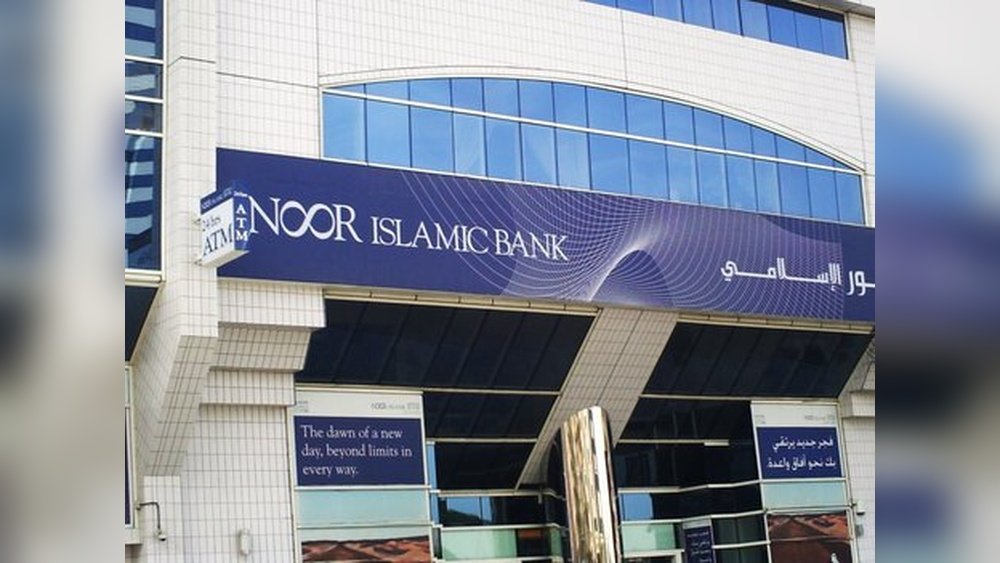
Are you curious about how Islamic finance fits into India’s diverse financial landscape? If you’re seeking ethical, interest-free financial options that align with Shariah principles, understanding Islamic finance in India is essential.
While the country does not have formal Islamic banks, a growing number of institutions and cooperative societies are offering innovative solutions that respect Islamic laws. This article will guide you through the current state of Islamic finance in India, its unique challenges, and the opportunities it presents for you and many others looking for alternative financial pathways.
Keep reading to discover how this emerging sector could impact your financial decisions and the broader Indian economy.

Credit: www.youtube.com
Growth Of Islamic Finance In India
The growth of Islamic finance in India reflects a gradual but steady development. This sector offers financial services that follow Islamic law, avoiding interest and promoting profit-sharing. India’s diverse population and growing economic needs create space for such alternatives. Interest in Islamic finance is rising among investors, businesses, and consumers seeking ethical financial options.
Several factors contribute to this growth, including increased awareness, education, and institutional support. The Indian financial market is exploring new models that align with Shariah principles. This trend shows promise for expanding financial inclusion and innovation in India’s economy.
Historical Background
Islamic finance in India has roots dating back centuries. Traditional Islamic trade practices influenced early financial dealings. Over time, Muslim communities developed interest-free lending systems like Baitul Mal. These informal mechanisms helped meet local financial needs.
Formal Islamic banking did not exist in India due to legal and regulatory challenges. Despite this, Islamic finance concepts remained present in various sectors. These historical foundations now support modern efforts to introduce structured Islamic financial products.
Current Landscape
Currently, no full-fledged Islamic banks operate in India. Financial institutions offer limited Shariah-compliant products. Cooperative societies and non-banking financial companies serve niche markets with interest-free loans. The government and regulators maintain a cautious stance on Islamic finance.
Awareness among Indians about Islamic finance is increasing steadily. Educational programs and seminars help spread knowledge. Demand for ethical finance options is growing among Muslims and non-Muslims alike. This creates a positive environment for future growth and innovation.
Role Of Indian Centre For Islamic Finance
The Indian Centre for Islamic Finance (ICIF) plays a vital role in this sector. It is a nonprofit organization dedicated to promoting Islamic finance awareness. ICIF offers training, research, and advisory services to various stakeholders.
ICIF helps build capacity by educating professionals and policymakers. It fosters dialogue between regulators, financial institutions, and the community. Through its efforts, ICIF supports the gradual integration of Islamic finance principles in India’s financial system.
Credit: timesofindia.indiatimes.com
Key Principles Of Islamic Finance
Islamic finance in India follows unique principles that set it apart from conventional banking. These rules ensure all financial activities comply with Islamic law, or Shariah. The key principles focus on fairness, transparency, and ethical conduct. They aim to create a just financial system that benefits everyone involved.
Interest-free Transactions
Islamic finance prohibits charging or paying interest, known as riba. Money should not generate more money by itself. Instead, profits come from real economic activities. This principle protects people from unfair debt burdens and exploitation. It encourages lending and investing based on shared benefits, not fixed returns.
Risk-sharing Models
Sharing risk and reward is central to Islamic finance. Both parties in a transaction share the profit or loss. This approach promotes cooperation and trust. It avoids guaranteed returns and unfair advantages. Risk-sharing aligns the interests of investors and entrepreneurs. It helps build stronger business relationships and economic stability.
Ethical Investment Standards
Investments must follow ethical and moral guidelines. Islamic finance forbids funding harmful or unethical activities. Businesses involved in alcohol, gambling, or tobacco are not allowed. Investments should promote social welfare and environmental responsibility. This ensures that money supports positive growth and community well-being.
Financial Products And Services
Islamic finance in India offers a range of products and services that follow Shariah law. These financial solutions avoid interest and promote ethical investing. They cater to Muslims and others seeking alternative banking options aligned with Islamic principles.
These products focus on fairness, transparency, and risk-sharing. They provide safe and ethical ways to save, invest, and borrow. The growth of Islamic finance in India is slowly creating more options for consumers.
Shariah-compliant Savings Accounts
Shariah-compliant savings accounts operate without interest. Instead, they use profit-sharing models where returns depend on the bank’s earnings. These accounts ensure that funds are invested in halal businesses only. Customers can save money without violating Islamic rules.
Many such accounts offer flexibility similar to conventional savings accounts. Account holders can deposit and withdraw funds easily. These accounts promote financial inclusion for those preferring Shariah-compliant options.
Islamic Credit Cooperatives
Islamic credit cooperatives help members access finance without interest. Members pool their savings and provide interest-free loans to each other. This system supports community welfare and mutual help.
These cooperatives operate under transparent rules approved by Shariah scholars. They encourage saving and responsible borrowing. Islamic credit cooperatives are popular in rural and urban areas alike.
Lease And Hire Purchase Financing
Lease and hire purchase financing follow Islamic principles by avoiding interest charges. In lease financing, the financier buys an asset and leases it to the customer. The customer pays rent and can buy the asset later.
Hire purchase allows the customer to pay installments and own the asset at the end. Both methods promote fair dealings and shared risk. They are used for vehicles, machinery, and property financing.
Challenges In Indian Market
Islamic finance in India faces several challenges that slow its growth. The market conditions and existing systems create barriers. Understanding these challenges helps explain why Islamic finance is not widespread in India.
These challenges affect both providers and consumers. They limit access to Shariah-compliant financial products. The Indian market needs to overcome these issues for better inclusion.
Regulatory Limitations
Indian laws do not fully support Islamic finance. Banking regulations focus on conventional interest-based systems. This legal framework blocks Islamic banking activities. Authorities have not created specific guidelines for Shariah-compliant finance. This makes it hard for institutions to operate openly. As a result, Islamic finance struggles to grow under current rules.
Lack Of Islamic Banks
India has no official Islamic banks. The absence of these banks limits product options. Without dedicated banks, Islamic finance remains small-scale. Some organizations offer limited services, but they cannot match full banks. This gap reduces customer trust and awareness. The market misses the benefits of specialized Islamic financial institutions.
Public Awareness And Education
Many people in India do not understand Islamic finance. Misconceptions about its principles cause hesitation. Lack of clear information stops people from using Islamic products. Educational efforts are minimal and scattered. Without awareness, demand stays low and stagnant. Spreading knowledge is key to increasing acceptance and use.
Opportunities For Growth
Islamic finance in India holds significant opportunities for growth. The sector remains largely unexplored but has strong potential. Growing awareness and demand offer paths for expansion.
Several factors contribute to this growth. They include a large consumer base, ethical investment options, and possible partnerships with conventional banks. These elements can shape the future of Islamic finance in India.
Untapped Muslim Consumer Base
India has a large Muslim population seeking financial products that follow Islamic principles. Many avoid conventional banking due to interest-based transactions. Islamic finance offers interest-free options that align with their beliefs.
Meeting this demand can bring millions of new customers into the financial system. It also promotes financial inclusion and economic participation for Muslim communities. This consumer base remains mostly untapped in India.
Potential For Ethical Investment
Islamic finance promotes ethical and socially responsible investment. It prohibits activities harmful to society, such as gambling or alcohol production. Investors increasingly seek ethical options worldwide.
India’s growing market can attract funds looking for transparency and fairness. Ethical investment products can appeal beyond the Muslim community. This creates a wider market for Islamic finance instruments.
Collaborations With Conventional Banks
Partnerships between Islamic finance providers and conventional banks can boost growth. Conventional banks have established infrastructure and customer reach. Islamic finance can expand through these networks.
Joint ventures allow sharing of knowledge and resources. This helps develop Shariah-compliant products adapted to Indian needs. Collaboration reduces barriers and builds trust among customers.
Impact On Ethical Wealth Creation
Islamic finance in India shapes wealth creation with strong ethical values. It focuses on fairness, transparency, and social good. This approach helps build trust and supports community growth.
By following Islamic principles, wealth is generated without harm or exploitation. This method promotes balance between profit and social responsibility. It creates a positive impact on society and the economy.
Promoting Social Justice
Islamic finance encourages fairness in all financial dealings. It prohibits unfair gains and exploitation of others. This helps reduce income inequality and supports the needy.
Funds are often directed towards projects benefiting the whole community. Such investments improve education, healthcare, and housing. This focus on social welfare promotes justice and fairness.
Encouraging Responsible Investing
Investors in Islamic finance avoid businesses that harm society or the environment. This includes companies involved in gambling, alcohol, or pollution. Responsible investing ensures money supports ethical and sustainable growth.
Financial products are designed to share risks and rewards fairly. This reduces speculation and promotes stable economic development. It encourages long-term value creation over quick profits.
Reducing Financial Exclusion
Islamic finance offers solutions for those excluded from conventional banking. It provides interest-free loans and profit-sharing investments. This helps small businesses and low-income families access funds.
By including more people in the financial system, economic opportunities grow. Financial inclusion supports poverty reduction and community empowerment. It helps build a more balanced and inclusive economy.
Future Prospects And Innovations
The future of Islamic finance in India holds great promise. Innovations and new ideas drive growth in this niche sector. Technology, policy, and education play key roles in shaping the path forward.
Islamic finance can expand its reach and impact with digital tools. Supportive policies can create a clearer framework. Education can raise awareness and build skilled professionals. Each area contributes to a stronger Islamic finance ecosystem in India.
Digital Platforms And Fintech
Digital platforms make Islamic finance more accessible. Fintech firms offer easy, fast, and secure services online. Mobile apps and websites help users find Shariah-compliant products. These tools reduce costs and simplify transactions. Digital innovation encourages young people to explore Islamic finance options.
Policy Reforms
Policy reforms can support Islamic finance growth in India. Clear regulations can encourage investment and trust. Authorities are considering frameworks for interest-free banking models. Legal recognition will help Islamic finance institutions operate smoothly. Reforms may attract global players to the Indian market.
Educational Initiatives
Education is vital for the future of Islamic finance. Universities and training centers offer courses on Shariah finance principles. Awareness campaigns help the public understand Islamic finance benefits. Skilled professionals can design and manage compliant financial products. Education builds confidence among consumers and investors alike.

Credit: www.voanews.com
Frequently Asked Questions
Is There Islamic Finance In India?
Islamic finance in India is emerging but lacks formal Islamic banks. Organizations like ICIF promote awareness and interest-free financial services. Some cooperative societies offer Shariah-compliant products, but mainstream Islamic banking remains limited in India.
How Many Islamic Banks Are There In India?
There are no Islamic banks officially operating in India. However, several Islamic financial organizations offer interest-free services. The Indian Centre for Islamic Finance promotes awareness but does not provide banking services. Some cooperative societies follow Islamic finance principles on a smaller scale.
Is Meezan Bank 100% Islamic?
Meezan Bank follows Islamic Shariah principles strictly in all its products and services. It operates as a fully Shariah-compliant bank.
Which Banks Offer Islamic Finance?
Banks offering Islamic finance include Meezan Bank (Pakistan), Al Rayan Bank, BLME, Gatehouse Bank, and Ahli United Bank (UK). In India, no formal Islamic banks exist, but organizations like the Indian Centre for Islamic Finance promote awareness and interest-free financial services.
Conclusion
Islamic finance in India is slowly gaining attention and interest. Many organizations promote awareness and education on this topic. People seek financial options without interest, following Islamic rules. Though no official Islamic banks operate yet, some cooperative groups offer similar services.
The future may hold more opportunities for growth and acceptance. Understanding Islamic finance can help individuals make informed choices. It offers an alternative to conventional banking systems. The journey has just begun and holds promise ahead.