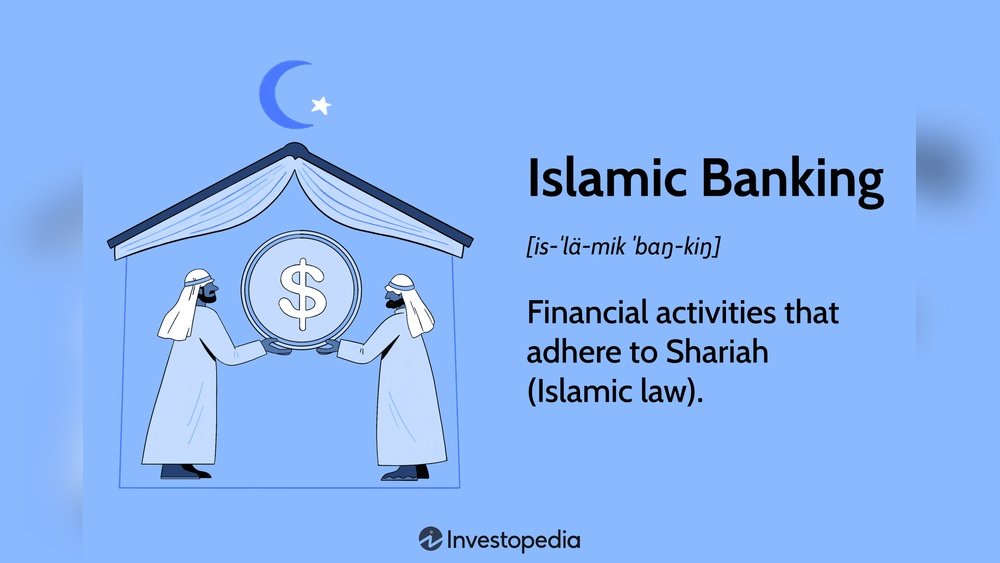
Are you curious about how Islamic finance works and why it’s different from conventional banking? Understanding the rules and regulations of Islamic finance is key to unlocking a financial system built on fairness, transparency, and ethical principles.
These rules don’t just shape how money is handled—they protect you from unfair practices like interest charges and risky speculation. You’ll discover the core principles that guide Islamic finance, the strict prohibitions it follows, and how these regulations impact your financial decisions.
Keep reading to learn how Islamic finance can offer you a unique and responsible way to manage your money.
Credit: corporatefinanceinstitute.com
Core Principles
Islamic finance relies on key financial contracts to ensure all transactions comply with Shariah law. These contracts avoid interest, uncertainty, and gambling. They promote fairness and partnership between parties.
Each contract has unique features and conditions. Understanding these helps in grasping how Islamic finance works practically.
Mudarabah
Mudarabah is a profit-sharing contract between two parties. One party provides capital, while the other manages the business. Profits are shared according to a pre-agreed ratio. Losses are borne by the capital provider only. This contract encourages trust and active participation.
Musharakah
Musharakah means partnership where all partners contribute capital. All partners share profits and losses based on their investment. It promotes joint ownership and risk sharing. This contract supports business ventures and joint projects.
Ijarah
Ijarah is a leasing contract. The owner leases an asset to another party for a fixed rent. Ownership remains with the lessor while the lessee uses the asset. It is similar to renting but follows Islamic rules. Ijarah is common in property and equipment financing.
Murabaha
Murabaha is a cost-plus financing method. The seller discloses the cost and adds a known profit margin. The buyer agrees to pay the total price over time. This contract avoids interest by fixing profit upfront. It is widely used for asset purchases.

Credit: www.researchgate.net
Key Financial Contracts
Investment restrictions form a core part of Islamic finance. These rules ensure investments follow Shariah law. The guidelines protect investors and society from unethical practices. Islamic finance promotes fairness, transparency, and social welfare. Investors must avoid certain sectors and practices forbidden by Islamic principles.
Prohibited Sectors
Islamic finance bans investment in sectors that harm society. These include alcohol, gambling, tobacco, and pork-related businesses. Such industries conflict with Islamic values and ethics. Investing in these sectors is considered unlawful, or haram. Avoiding these sectors helps maintain moral and social responsibility.
Handling Gharar In Transactions
Gharar means uncertainty or ambiguity in contracts. Islamic finance forbids excessive uncertainty in transactions. Clear terms and conditions are essential for every deal. Ambiguous contracts risk injustice and unfairness. Avoiding gharar ensures transparency and protects all parties involved.
Avoiding Maysir And Qimar
Maysir and qimar refer to gambling and games of chance. Islamic finance strictly prohibits these activities. Investments must not involve speculation or betting. This rule prevents financial harm and promotes ethical risk-taking. Steering clear of gambling ensures investments are responsible and fair.
Compliance Framework
Risk management is a key part of Islamic finance. It focuses on fairness and shared responsibility. Islamic finance avoids unfair gains and harmful uncertainty. It aims to protect all parties involved in financial transactions.
Sharing Profit And Loss
Islamic finance promotes sharing both profit and loss. Investors and entrepreneurs share risks equally. This creates a balance in financial dealings. Profit is not guaranteed but shared based on actual results. Losses are also shared, avoiding unfair burden on one party. This approach reduces speculation and promotes trust.
Managing Uncertainty
Islamic finance limits excessive uncertainty, known as gharar. Contracts must be clear and certain. Ambiguous terms are not allowed. This reduces disputes and protects everyone’s rights. Avoiding excessive risk helps maintain financial stability. Islamic finance encourages transparency in all transactions.
Ethical Considerations
Ethics play a major role in Islamic risk management. Investments must follow moral and social values. Activities like gambling, alcohol, and tobacco are prohibited. Business must not harm society or individuals. Ethical rules ensure finance supports positive development. This encourages responsible and fair financial practices.
Investment Restrictions
Investing according to Islamic finance principles requires careful consideration and knowledge. Practical steps help investors align their portfolios with Sharia rules. These tips guide investors to make informed, ethical, and compliant decisions. Understanding the basics ensures a smoother investment journey.
Evaluating Sharia Compliance
Check if the investment follows Islamic laws strictly. Avoid products involving interest (riba) or excessive uncertainty (gharar). Verify that the business activities exclude forbidden sectors like alcohol, gambling, and tobacco. Look for certification from recognized Sharia boards. This ensures the investment meets Islamic ethical standards.
Choosing Islamic Financial Products
Select products designed specifically for Islamic investors. Options include Sukuk (Islamic bonds), Islamic mutual funds, and takaful (Islamic insurance). These products avoid interest and risky speculation. They promote profit-sharing and risk-sharing principles. Choose products with clear, transparent structures and terms.
Understanding Contract Terms
Read contracts carefully before investing. Ensure terms do not involve hidden interest or uncertainty. Look for clear profit and loss sharing clauses. Confirm the contract complies with Islamic finance rules on fairness and transparency. Seek advice from experts if any terms seem unclear or complex.
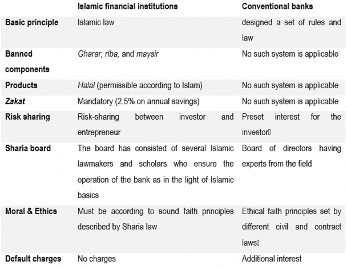
Credit: www.redalyc.org
Frequently Asked Questions
What Are The Rules Of Finance In Islam?
Islamic finance prohibits interest (riba), excessive uncertainty (gharar), and gambling (maysir). It promotes profit-loss sharing, ethical investments, and avoids harmful industries like alcohol and tobacco. Transactions must comply with Sharia law and encourage fairness and transparency.
What Is Not Allowed In Islamic Finance?
Islamic finance prohibits interest (riba), excessive uncertainty (gharar), gambling (maysir), and investments in harmful industries like alcohol and tobacco. It forbids contracts with high risk or ignorance (jahl) and promotes profit-loss sharing and ethical investments.
What Is The 30% Rule In Islamic Finance?
The 30% rule in Islamic finance limits interest-based debt to 30% of a company’s total capital. This ensures financial stability and Sharia compliance.
What Are Islamic Financial Guidelines?
Islamic financial guidelines follow Sharia law, prohibiting interest (riba), excessive uncertainty (gharar), and gambling (maysir). They promote profit and risk sharing and avoid investments in harmful industries like alcohol and tobacco.
Conclusion
Islamic finance follows clear rules based on Sharia law. It avoids interest, excessive risk, and unethical investments. Profit and loss sharing promote fairness and partnership. These principles guide many financial products globally. Understanding these rules helps make better financial choices.
Islamic finance offers an ethical way to manage money. It supports growth while respecting moral values. Staying informed ensures compliance and responsible investing. This knowledge benefits individuals and businesses alike.