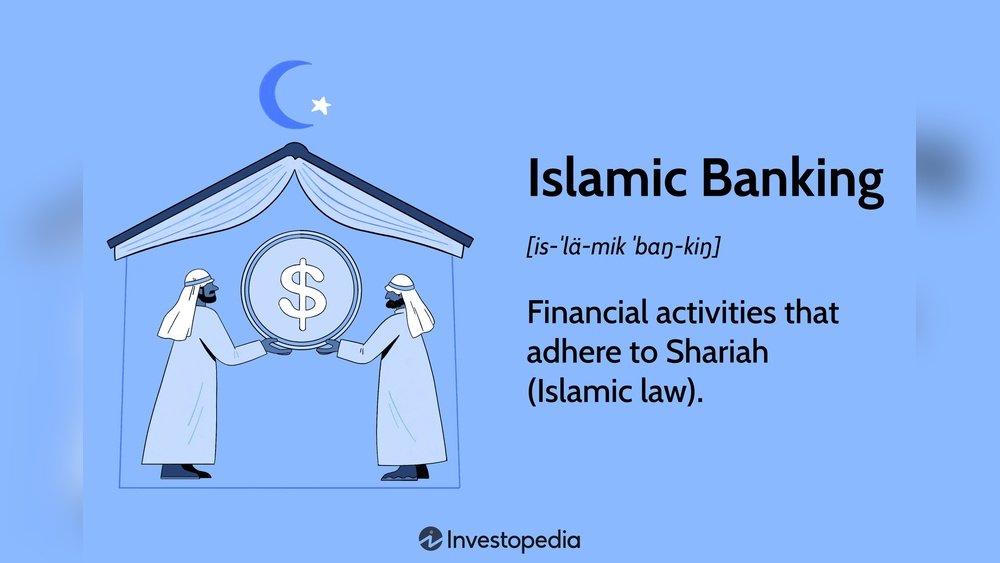
Are you confused about the difference between an Islamic loan and a conventional interest loan? Choosing the right type of financing can impact your financial peace of mind and align with your values.
Islamic loans follow specific principles that avoid interest and focus on fairness, while conventional loans rely heavily on interest charges. Understanding how these two loan types work can help you make smarter decisions for your money and avoid unexpected costs.
Keep reading to discover how Islamic loans and interest loans differ, and which option might be best for your needs.
:max_bytes(150000):strip_icc()/Riba_final-9ac255976bbe465c91cc6ee98d1b6a3a.png)
Credit: www.investopedia.com
Interest In Loans
Interest plays a central role in loans worldwide. It is the extra amount a borrower pays to a lender for using money. This cost compensates the lender for the risk and the opportunity lost. Different types of loans treat interest in distinct ways. Understanding these differences helps to choose the right loan type.
Role Of Interest In Conventional Loans
Conventional loans rely heavily on interest as their main profit source. The borrower receives a sum of money and agrees to pay back the principal plus interest. Interest rates can be fixed or variable, affecting the total repayment amount.
This interest compensates lenders for risk and inflation. Borrowers must repay the loan regardless of their financial situation. Late payments often incur additional fees, increasing the cost. Interest creates a clear lender-borrower relationship based on debt.
Prohibition Of Interest In Islamic Loans
Islamic loans strictly prohibit interest, known as riba, under Sharia law. Charging interest is seen as unfair and exploitative. Instead, Islamic finance uses profit-sharing and asset-based models.
In these loans, the lender and borrower share risks and rewards. Transactions often involve co-ownership or leasing of assets. Profit comes from business activities, not fixed interest charges.
This approach promotes fairness and ethical lending. Late fees are minimal and usually directed to charity. Transparency and shared responsibility define Islamic loans, avoiding the burden of fixed interest.
Loan Structure
The structure of a loan determines how money is borrowed and repaid. It affects risks, profits, and the roles of both lender and borrower.
Conventional loans and Islamic loans differ greatly in their structure. Understanding these differences helps in choosing the right financing option.
Debt-based Model In Conventional Loans
Conventional loans operate on a debt-based model. The borrower receives money and agrees to repay it with interest. Interest is the main profit for the lender.
The lender carries minimal risk since the borrower must repay the loan plus interest. The borrower bears the full risk of repayment.
This model creates a fixed obligation for the borrower to pay interest, regardless of financial outcome or asset performance.
Asset-based Model In Islamic Loans
Islamic loans follow an asset-based model. The lender and borrower share ownership of an asset or engage in leasing.
Profit comes from the asset’s use or sale, not from interest. Both parties share risks and rewards of the asset.
This structure aligns with Islamic law, which prohibits earning money from interest (riba). It promotes fairness and partnership.
Risk Distribution
Risk distribution differs greatly between Islamic loans and conventional interest loans. This difference affects both the borrower and the lender. Understanding how risk is shared or shifted helps clarify why Islamic financing appeals to many seeking ethical financial options.
Borrower’s Risk In Conventional Loans
In conventional loans, the borrower carries most of the risk. They must repay the principal plus interest, regardless of their financial situation. If the borrower faces loss or business failure, the debt remains. The lender receives interest payments even if the borrower’s income drops. This pressure can lead to financial stress and default.
Shared Risk In Islamic Financing
Islamic loans distribute risk more evenly between lender and borrower. The lender often becomes a partner or co-owner of the asset. Both parties share profits and losses from the asset’s performance. If the asset value drops or income falls, the lender also feels the impact. This encourages fairness and cooperation. It reduces pressure on the borrower and aligns interests closely.

Credit: www.researchgate.net
Profit Generation
Profit generation differs greatly between Islamic loans and interest-based loans. These differences highlight the core principles behind each financing method. Islamic finance avoids interest, focusing instead on fair profit-sharing and tangible transactions. Interest-based loans rely on fixed interest as the main profit source for lenders. Understanding these profit mechanisms helps clarify why Islamic loans appeal to many seeking ethical finance options.
Interest As Profit Source
In interest-based loans, profit comes from charging interest on the borrowed amount. The lender sets a fixed or variable interest rate. Borrowers repay the loan plus this interest over time. This interest is the lender’s guaranteed profit. The risk mainly falls on the borrower, who must repay regardless of financial difficulties. The lender earns even if the borrower faces losses. This model focuses on debt repayment with added cost as profit.
Profit-sharing And Asset Transactions
Islamic loans generate profit through shared business risks and asset-based deals. The lender and borrower often become partners in the asset. Profit or loss is divided based on agreed terms. For example, in an Islamic mortgage, the lender co-owns the property and shares rental income. This method avoids fixed interest. Profit depends on real economic activity and asset performance. It encourages fairness and reduces borrower burden during hard times.
Late Payment Policies
Late payment policies differ greatly between Islamic loans and conventional interest loans. These policies affect how borrowers manage delays in repayment. Understanding the differences helps in choosing the right financing option. The focus lies on how penalties or fees are applied after missing payment deadlines.
Penalty Charges In Conventional Loans
Conventional loans often impose penalty charges for late payments. These fees add extra cost to the borrower. Banks may increase these charges the longer the payment is delayed. The penalties serve as a source of profit for lenders. Borrowers must pay both the overdue amount and the penalty fee. This can lead to a cycle of increasing debt. The system incentivizes timely payments but can also cause financial strain.
Nominal Fees And Charity In Islamic Loans
Islamic loans handle late payments differently. They avoid charging interest or heavy penalties. Usually, a small nominal fee covers administrative costs. This fee is not meant to generate profit. Any extra amount collected is donated to charity. This practice aligns with Islamic principles of fairness and compassion. The goal is to discourage delay without exploiting the borrower’s hardship. It creates a more ethical and just financial environment.

Credit: blogs.helsinki.fi
Transparency And Fees
Transparency and fees play a crucial role in choosing between Islamic loans and conventional interest loans. Borrowers need clear information about costs to make informed decisions. Fee structures impact the overall affordability and trust in the lending process.
Understanding how fees are presented and calculated can help avoid surprises. Islamic loans emphasize fairness and clarity, while conventional loans may include complex charges. Let’s explore how transparency differs in these two loan types.
Hidden And Increasing Fees In Conventional Loans
Conventional loans often come with hidden fees that borrowers may not expect. These fees can include processing charges, service fees, and penalty costs. Over time, fees may increase, raising the total repayment amount.
Interest rates can also change, especially with variable-rate loans. This can cause monthly payments to rise without clear warning. Borrowers sometimes face difficulty understanding all the added costs.
Such uncertainty can lead to financial stress. It makes budgeting and planning more difficult. Many borrowers only discover these fees after signing the loan agreement.
Upfront Disclosure And Avoidance Of Uncertainty
Islamic loans require full disclosure of all fees before the agreement is signed. Lenders provide clear details about costs, profit rates, and payment schedules. This transparency helps borrowers know exactly what to expect.
Islamic finance avoids interest, replacing it with profit-sharing or rental fees. This model reduces the risk of unexpected charges. Fees remain fixed or clearly defined throughout the loan term.
By removing hidden costs, Islamic loans foster trust between lenders and borrowers. This openness supports better financial planning and peace of mind for all parties involved.
Common Islamic Financing Models
Islamic finance uses unique methods that follow Sharia law. These methods avoid interest and focus on real assets. Common models include shared ownership and leasing. Both help manage risks and benefits between parties.
These models make Islamic loans different from conventional loans. They build trust and fairness in financial dealings. Understanding these models helps in choosing the right financing option.
Co-ownership Arrangements
Co-ownership means the lender and borrower share ownership of an asset. Both parties invest money into the asset together. The borrower uses the asset while both share risks and rewards. This model avoids charging interest on the loan.
In home financing, the bank and buyer co-own the property. The buyer pays rent to the bank for its share. Over time, the buyer buys the bank’s share until full ownership. This method keeps the transaction fair and transparent.
Leasing Structures
Leasing allows the borrower to use an asset without owning it first. The lender buys the asset and leases it to the borrower. The borrower pays rent for using the asset over time.
This model is common for cars, equipment, and homes. The lease payments help the lender recover the asset’s cost. It also avoids interest and follows Islamic rules.
At the end of the lease, the borrower may have options. They can buy the asset or return it to the lender. Leasing protects both parties from financial loss.
Frequently Asked Questions
What Is The Difference Between Islamic Loan And Conventional Loan?
Islamic loans avoid interest (riba) and use asset-based, risk-sharing models. Conventional loans charge interest and place risk on the borrower. Islamic finance profits from assets and partnerships, while conventional loans earn through interest on debt. Late fees in Islamic loans are minimal and often donated.
What Is The Difference Between Interest And Islamic Banking?
Interest banking charges fixed interest on loans, creating debt. Islamic banking avoids interest, using profit-sharing and asset-based contracts following Sharia law.
Do Islamic Loans Have Interest?
Islamic loans do not have interest (riba). They follow Sharia law, using profit-sharing and asset-based models instead.
What Is The 30% Rule In Islamic Finance?
The 30% rule in Islamic finance limits debt repayment to 30% of a borrower’s monthly income. This ensures financial stability and prevents excessive debt burden.
Conclusion
Choosing between Islamic loans and interest loans depends on personal beliefs and financial needs. Islamic loans avoid interest and share risks between lender and borrower. Interest loans charge fixed interest and place risk mostly on the borrower. Transparency and fairness are key in Islamic financing.
Conventional loans offer simplicity but may include hidden fees. Both have pros and cons to consider carefully. Understanding these differences helps make better financial decisions. Your choice should align with your values and comfort with risk.