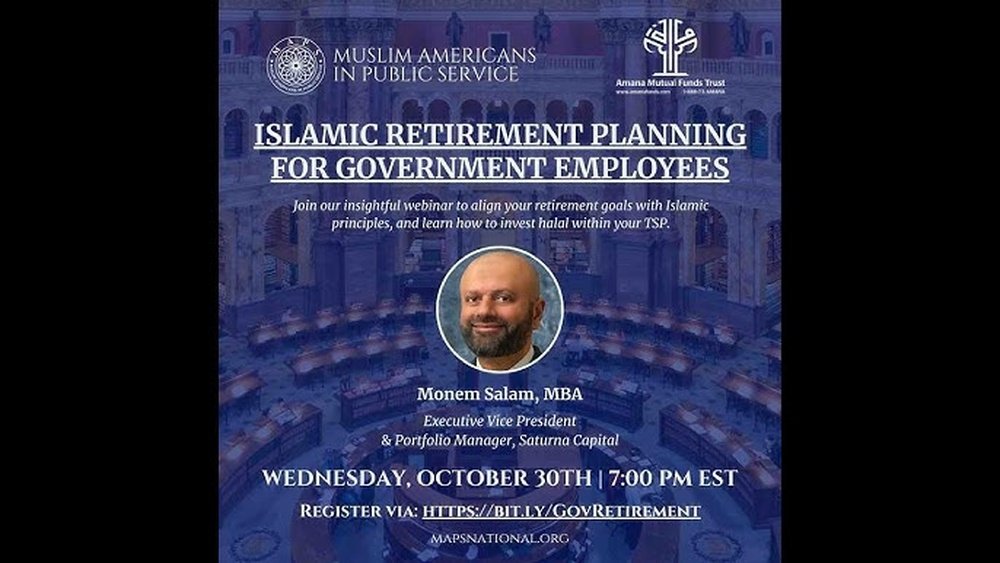
Are you confident that your retirement savings align with your faith? Planning for your future is important, but when it comes to retirement, ensuring your investments follow Islamic principles can feel complicated.
You want a retirement plan that’s not only secure but also halal—free from interest (riba) and forbidden industries like gambling or alcohol. Islamic retirement plans offer a way to grow your savings responsibly, giving you peace of mind that your financial future respects your values.
Keep reading to discover how you can build a Sharia-compliant retirement plan tailored for you, so you can enjoy your golden years with both comfort and confidence.

Credit: fiqhcouncil.org
Shariah Principles In Retirement Planning
Shariah principles guide Muslims in planning their retirement funds. These rules ensure money grows in a halal and ethical way. The focus is on avoiding harm and earning lawful income. Islamic retirement plans follow strict guidelines to align with these values. This helps investors save with peace of mind.
Avoiding Riba And Forbidden Industries
Riba means interest, which is forbidden in Islam. Retirement plans must avoid any interest-based earnings. Investments in industries like gambling, alcohol, pork, and weapons are also not allowed. These sectors go against Islamic ethics and harm society. Choosing halal sectors ensures retirement savings remain pure and lawful.
Ethical Investment Criteria
Islamic retirement plans invest only in ethical and responsible companies. Businesses must follow moral values and avoid exploitative practices. Transparency, fairness, and social welfare are key factors. This creates a positive impact on communities and the environment. Ethical investing supports a better future for all.
Purification Process For Non-halal Income
Sometimes, small amounts of non-halal income enter the fund. A purification process removes or donates this income to charity. This keeps the overall investment compliant with Shariah rules. Regular purification maintains the halal status of the retirement savings. It shows commitment to Islamic principles and trustworthiness.
Types Of Islamic Retirement Plans
Islamic retirement plans offer options that comply with Shariah principles. These plans avoid interest (riba) and investments in forbidden industries. Choosing the right type helps secure a halal and ethical financial future. Various plans cater to different needs and preferences within Islamic guidelines.
Halal Mutual Funds And Index Funds
Halal mutual funds pool money to invest in Shariah-compliant companies. They avoid businesses involved in alcohol, gambling, or interest-based finance. Index funds track a Shariah-compliant market index. Both options offer diversification and professional management. Investors can grow savings while respecting Islamic laws.
Self-directed Iras With Shariah Compliance
Self-directed IRAs give control over retirement investments. Investors choose only Shariah-compliant assets. This includes halal stocks, real estate, or Islamic bonds (sukuk). This flexibility allows tailoring portfolios to personal ethical standards. It also helps avoid forbidden sectors and interest income.
Islamic Fixed Deposits Vs Conventional Fixed Deposits
Islamic fixed deposits comply with Shariah by avoiding interest payments. They use profit-sharing or leasing contracts instead. Conventional fixed deposits pay fixed interest, which is not allowed in Islam. Islamic deposits offer a halal alternative with ethical profit methods. They provide safety and steady returns without riba.
Making Conventional Plans Shariah-compliant
Making conventional retirement plans Shariah-compliant allows Muslims to save for the future without compromising their beliefs. It requires careful steps to ensure investments follow Islamic principles. These steps help Muslims build a halal retirement fund using popular accounts like Roth IRAs.
This process involves selecting halal investments, screening companies, and cleansing any earnings that may not fully comply with Shariah. Each step ensures the retirement plan respects Islamic rules on interest, forbidden industries, and ethical investing.
Selecting Halal Investments In Roth Iras
Roth IRAs can be made halal by carefully choosing investment options. Avoid companies involved in alcohol, gambling, pork, tobacco, and conventional finance. Focus on stocks or funds that follow Islamic finance rules. Shariah-compliant mutual funds and index funds offer safe choices. Using a self-directed IRA helps control investment decisions. This flexibility allows Muslims to pick only halal assets for their retirement savings.
Screening Companies For Compliance
Screening companies ensures they meet Islamic guidelines. Check their business activities to confirm they avoid forbidden sectors. Analyze financial ratios to ensure minimal involvement with interest-based income. Many online tools and advisors help with this screening process. Regular monitoring keeps the portfolio aligned with Shariah requirements. This step avoids investing in companies that might harm your faith or finances.
Using Purification To Cleanse Earnings
Some investments may still generate small amounts of non-compliant income. Purification involves donating this portion to charity. This act cleanses the earnings, making the overall investment halal. Calculate the impurity based on income reports or financial screenings. Donate the impure share regularly to maintain Shariah compliance. Purification ensures your retirement savings remain pure and ethically sound.
Benefits Of Halal Retirement Plans
Halal retirement plans offer a unique way to save money for the future. These plans follow Islamic principles, making sure your savings grow without breaking any religious rules.
Choosing a halal retirement plan means your money is invested ethically. You avoid industries and practices forbidden in Islam. This approach gives peace of mind while securing your financial future.
Financial Security With Ethical Investing
Halal retirement plans invest only in ethical businesses. They avoid companies involved in alcohol, gambling, or interest-based lending. This keeps your savings safe and halal.
Such plans focus on stable and responsible investments. This reduces risks and helps protect your funds over time. Your retirement savings grow securely and responsibly.
Aligning Wealth With Islamic Values
Halal plans ensure your wealth follows Islamic laws. They forbid riba (interest), which is not allowed in Islam. This keeps your money pure and free from prohibited earnings.
Your investments support businesses that align with good morals. This means your money works in harmony with your faith. It builds a retirement fund you can be proud of.
Long-term Growth Potential
Halal retirement plans focus on steady growth over many years. They invest in companies that follow ethical practices and show strong potential. This helps your savings increase steadily.
By avoiding risky and forbidden investments, your money grows safely. Patience and wise choices lead to a comfortable retirement. This creates a solid financial future without compromising beliefs.
Challenges And Considerations
Islamic retirement plans offer a way to save for the future while following religious principles. These plans face unique challenges. Understanding these issues helps investors make wise decisions. Key factors include the availability of options, balancing risk, and legal rules.
Limited Availability Of Shariah-compliant Options
Finding retirement plans that fully comply with Shariah law can be difficult. Many financial products involve interest or forbidden industries. This limits the choices for Muslim investors. The market for Shariah-compliant retirement plans is still growing. It may take extra effort to identify suitable options that fit religious rules and personal goals.
Balancing Risk And Compliance
Islamic principles restrict certain types of investments. This can affect how risk is managed. Investors must avoid interest, gambling, and other prohibited activities. At the same time, they seek a good return for retirement savings. Balancing these needs requires careful selection of investment vehicles. Risk must be controlled without breaking Islamic rules. This challenge needs ongoing attention and knowledge.
Navigating Regulatory Frameworks
Retirement plans must follow national laws and regulations. These rules differ by country and region. Islamic retirement plans add complexity due to their unique requirements. Providers must ensure products meet both legal standards and Shariah principles. Investors should verify that plans comply with regulations and religious guidelines. Understanding these frameworks helps avoid legal issues and ensures secure investments.

Credit: islamicinheritance.com
How To Start Your Islamic Retirement Plan
Starting an Islamic retirement plan requires careful steps. The plan must follow Islamic laws and protect your future income. Choosing the right platform, seeking expert advice, and reviewing your plan often are key parts.
Choosing The Right Investment Platform
Select a platform offering Sharia-compliant options. It should avoid interest (riba) and forbidden industries like alcohol or gambling. Check for transparency and good customer support. A reliable platform helps grow your savings in a halal way.
Consulting Islamic Finance Experts
Talk to experts who understand Islamic finance rules. They guide you to pick investments that meet Sharia standards. Experts help you avoid common mistakes and tailor your plan to your needs. Their advice builds confidence in your retirement choices.
Regular Review And Adjustments
Review your retirement plan regularly to ensure it stays Sharia-compliant. Life changes and market shifts may need plan updates. Adjust investments to meet your goals and keep your savings halal. Regular checks secure your financial future.
Credit: www.ubldigital.com
Frequently Asked Questions
Is A Retirement Plan Halal In Islam?
A retirement plan is halal if it invests only in Sharia-compliant assets. Avoid interest (riba) and forbidden industries like alcohol, gambling, and weapons. Choose halal funds or stocks to ensure compliance with Islamic principles.
How Do Muslims Save For Retirement?
Muslims save for retirement by investing in Sharia-compliant funds avoiding interest and forbidden industries. They use halal mutual funds, index funds, or self-directed IRAs, ensuring investments align with Islamic law. Some also purify earnings by donating non-halal income to charity.
Is The Roth Ira Halal Or Haram?
A Roth IRA is halal if you invest only in Sharia-compliant assets. Avoid interest, gambling, alcohol, and non-Islamic industries. Use self-directed IRAs to choose halal funds.
How To Get 50,000 Pension Per Month?
To get a 50,000 monthly pension, invest consistently in Sharia-compliant retirement plans. Choose halal assets avoiding interest and forbidden industries. Use self-directed IRAs or Islamic mutual funds. Plan early, contribute regularly, and diversify investments to build a sustainable halal pension income.
Conclusion
Choosing an Islamic retirement plan helps protect your savings and faith. It avoids interest and forbidden industries, keeping your money halal. These plans offer a clear path to a secure future. You gain peace of mind by following Sharia rules.
Planning early allows your funds to grow responsibly. Seek advice to find the best options for you. Saving this way respects your beliefs and prepares you well. A halal retirement plan is both wise and ethical.