Are you looking for a way to manage your business finances without compromising your values? Islamic Working Capital Finance could be the solution you need.
It offers a unique approach to funding your daily operations while strictly avoiding interest, which is prohibited in Islamic law. Imagine a finance option where profit and loss are shared fairly, giving you peace of mind and financial flexibility. You will discover how Islamic working capital finance works, the key principles behind it, and why it might be the perfect fit for your business.
Keep reading to learn how you can secure ethical, Sharia-compliant funding that supports your growth and respects your beliefs.
Principles Of Islamic Finance
Islamic finance follows unique principles that shape its approach to working capital finance. These principles ensure that financial activities align with Islamic law, promoting fairness and justice in business. Understanding these core principles helps grasp how Islamic working capital finance operates differently from conventional finance.
Prohibition Of Interest (riba)
Islamic finance strictly forbids charging or paying interest. This rule is called the prohibition of Riba. Instead of earning fixed interest, profits come from real business activities. This principle prevents exploitation and ensures money is earned through effort and risk.
Profit And Loss Sharing
Profit and loss sharing is a key concept in Islamic finance. Both the lender and borrower share the business’s risks and rewards. This encourages cooperation and fairness. It aligns the interests of all parties involved in the financial transaction.
Ethical Investment
Islamic finance promotes investments that are ethical and socially responsible. Businesses involved in harmful activities, such as alcohol or gambling, are avoided. This principle supports economic growth that benefits society as a whole.
Asset-backed Financing
Every financial transaction in Islamic finance must be backed by tangible assets. This means money is linked to real economic activity. It reduces speculation and ensures transparency in all dealings. Asset-backed financing creates a stable financial environment.

Credit: www.gtreview.com
Common Islamic Working Capital Models
Islamic working capital finance uses unique models to meet business needs. These models follow Islamic law, avoiding interest and promoting fairness. They help businesses manage daily expenses and support growth.
Each model offers a different way to fund working capital. They focus on profit-sharing, trade, or agency agreements. Understanding these models helps businesses choose the right option.
Murabaha Structure
Murabaha is a cost-plus financing model. The bank buys goods and sells them to the customer. The price includes a disclosed profit margin. Payments are made in installments over time. This method avoids interest and ensures transparency.
Musharakah Partnerships
Musharakah means partnership in profit and loss. Both parties contribute capital to a project or business. Profits are shared based on agreement ratios. Losses are shared in proportion to capital invested. This model encourages joint risk and reward.
Bai-salam Contracts
Bai-Salam is a forward sale contract. The buyer pays in advance for goods to be delivered later. It helps businesses finance future production or inventory. This model supports cash flow without interest charges. It suits agricultural and manufacturing sectors well.
Wakalah Agreements
Wakalah involves appointing an agent to act on behalf of the principal. The agent manages funds or business activities. The principal pays a fee or shares profit with the agent. This model offers flexibility and clear roles. It is useful for managing working capital efficiently.
Benefits Of Ethical Funding
Ethical funding offers many benefits for businesses and communities. It supports growth while respecting moral and religious values. Islamic working capital finance is a prime example. It aligns with ethical principles and promotes fairness in business.
Choosing ethical funding means partnering in a way that shares both risks and rewards. It builds trust with customers and partners. It also opens doors to new markets that value ethical business practices.
Risk Sharing Advantages
Islamic working capital finance involves sharing risks between the bank and the business. Both parties share profits and losses. This reduces the burden on the business during tough times. It encourages responsible decision-making and careful planning. Risk sharing creates a balanced and fair financial relationship.
Enhanced Business Reputation
Using ethical funding improves a business’s public image. Customers and partners see the company as honest and trustworthy. This reputation attracts more clients and investors. It shows commitment to moral values and social responsibility. A strong reputation helps a business grow steadily.
Compliance With Shariah
Islamic working capital finance follows Shariah law, which forbids interest (riba). It uses profit-and-loss sharing and asset-backed financing. This ensures the business stays true to Islamic principles. Compliance helps Muslim businesses avoid conflicts with their faith. It also reassures customers who prefer Shariah-compliant services.
Access To New Markets
Ethical funding opens doors to markets that prefer Shariah-compliant finance. Businesses can connect with Muslim consumers and investors worldwide. This expands their reach and potential revenue. Many regions value ethical finance as a key requirement. Access to these markets offers growth opportunities and competitive advantage.

Credit: www.youtube.com
Applications For Smes
Islamic working capital finance offers unique solutions tailored for small and medium enterprises (SMEs). It supports businesses without involving interest, following Islamic principles. SMEs benefit from flexible options that help maintain smooth operations and steady growth.
The applications of Islamic working capital finance focus on practical needs of SMEs. These needs include managing daily cash flow, financing inventory, covering short-term expenses, and supporting expansion plans. Each application helps businesses remain stable and competitive.
Cash Flow Management
Islamic finance helps SMEs manage cash flow effectively. It provides funds through profit-sharing or sale-based contracts. This ensures businesses have enough money to pay suppliers and employees on time. Smooth cash flow keeps operations steady and avoids financial stress.
Inventory Financing
SMEs can use Islamic finance to buy stock without paying interest. Methods like Murabaha allow purchasing goods at a disclosed profit margin. This helps businesses maintain sufficient inventory to meet customer demand. It also improves sales and customer satisfaction.
Short-term Expense Coverage
Islamic working capital finance supports covering urgent short-term costs. These include rent, utilities, and unexpected expenses. Financing through Sharia-compliant contracts avoids interest, keeping the business ethical. Quick access to funds helps avoid disruptions in daily activities.
Growth And Expansion Support
Islamic finance assists SMEs in planning growth and expansion. It offers capital for new projects or entering new markets. Profit and loss sharing agreements encourage partnership between banks and businesses. This creates shared success and long-term sustainability.
Challenges In Islamic Working Capital Finance
Islamic working capital finance faces unique challenges that affect its growth and adoption. These hurdles stem from the nature of Islamic finance principles and the market environment. Understanding these challenges helps businesses and financiers improve their approach and find better solutions.
Regulatory Compliance
Islamic finance must follow strict Shariah rules alongside national laws. Regulations often differ between countries, creating confusion. Banks and businesses spend extra time ensuring all contracts comply. This slows down financing processes and increases costs.
Limited Awareness
Many businesses and individuals do not fully understand Islamic working capital finance. Misconceptions about profit-sharing and risk can cause hesitation. Lack of education limits the demand and supply of these financial products. Awareness campaigns are needed to boost trust and usage.
Documentation Complexity
Islamic finance contracts require detailed and specific documentation. Each contract must clearly state profit-sharing and asset ownership. This complexity leads to longer approval times and higher legal fees. Smaller businesses may struggle to meet these documentation demands.
Market Competition
Conventional finance offers simpler, faster working capital solutions. Islamic finance providers compete with these established products. Limited product variety and higher costs reduce competitiveness. Providers must innovate to attract more customers and stay relevant.
Technological Innovations
Technological innovations are shaping Islamic working capital finance. They create easier, faster, and more transparent ways to access funds. These advances support Islamic principles while improving financial services.
Digital Financing Platforms
Digital platforms simplify access to Islamic working capital finance. Businesses apply online without visiting banks. These platforms follow Shariah rules strictly. They speed up approvals and reduce paperwork. Small and medium enterprises benefit greatly.
Blockchain For Transparency
Blockchain technology ensures clear and secure transactions. It records every step of financing openly. This builds trust between banks and customers. Islamic finance values honesty and fairness. Blockchain helps maintain these core values effectively.
Ai In Credit Assessment
Artificial intelligence improves credit evaluation in Islamic finance. AI analyzes data quickly and fairly. It reduces human bias in decision-making. This leads to more accurate risk assessment. Customers get fairer chances to receive financing.
Mobile Banking Solutions
Mobile banking brings Islamic working capital finance to everyone. Customers manage their accounts on smartphones easily. They can request funds and track payments anytime. Mobile access helps businesses stay flexible and efficient.
Case Studies And Success Stories
Islamic Working Capital Finance has helped many businesses grow while following Shariah rules. Real examples show how companies use this finance to manage cash flow and expand. These stories highlight practical benefits and inspire others to explore Islamic finance.
Corporate Client Implementations
Large corporations use Islamic working capital finance to improve liquidity. One firm in the manufacturing sector partnered with an Islamic bank. They used Murabaha contracts to buy raw materials without interest. This approach helped stabilize their supply chain and reduce costs.
Another example is a retail company that applied Musharakah financing. The bank and company shared profits and losses. This partnership improved trust and aligned their business goals. The company reported better cash flow and stronger financial health.
Sme Growth Examples
Small and medium enterprises benefit greatly from Shariah-compliant finance. A local food business accessed working capital through Bai Salam contracts. This allowed them to pay suppliers upfront and receive goods later. The business expanded its product line and increased sales.
Another SME in textiles secured finance using Wakalah contracts. The bank acted as an agent managing funds efficiently. This support helped the SME meet orders quickly and grow its customer base. Islamic finance offered flexible terms and no interest burden.
Regional Market Insights
Islamic working capital finance grows faster in regions with large Muslim populations. Southeast Asia and the Middle East lead in adoption. Banks in these areas offer tailored products to meet local needs. The demand for Shariah-compliant solutions rises as awareness increases.
In non-Muslim majority countries, Islamic finance is gaining attention. For instance, banks in Europe and North America start offering these products. They target both Muslim and ethical investors. Regional regulations and market education play key roles in growth.
Collaborations With Conventional Banks
Some Islamic banks collaborate with conventional banks to expand services. These partnerships combine expertise and resources. They design hybrid products that meet Islamic and conventional standards.
This cooperation helps reach more customers and diversify financing options. For example, a joint venture in the Gulf region offers working capital finance with profit-sharing features. It attracts both traditional and Shariah-conscious clients.
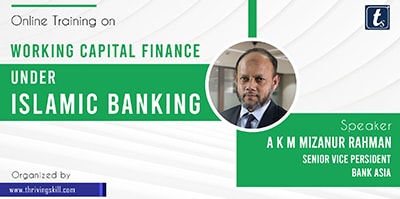
Credit: thrivingskill.com
Future Trends In Islamic Working Capital
The future of Islamic working capital finance holds exciting possibilities. It aims to support businesses while respecting Islamic principles. This finance type avoids interest and promotes profit-sharing and ethical investments. Trends show growth, technology use, and green finance shaping its path.
Expansion In Global Markets
Islamic working capital finance is growing beyond traditional regions. Many countries now explore Shariah-compliant finance options. Businesses in Asia, Africa, and Europe adopt these solutions to access new funds. This expansion helps diversify markets and boosts economic inclusion globally.
Integration With Fintech
Technology is changing Islamic finance rapidly. Fintech offers faster, easier access to working capital finance. Digital platforms reduce paperwork and speed approvals. Smart contracts and blockchain ensure transparency and compliance with Islamic rules. This integration makes finance more accessible for small and medium businesses.
Sustainable And Green Financing
Islamic finance emphasizes ethical and responsible investing. Sustainable and green projects attract more working capital finance. These investments support renewable energy, clean water, and eco-friendly industries. Islamic finance encourages businesses to adopt environmentally friendly practices for long-term growth.
Policy And Regulatory Developments
Governments and regulators work to strengthen Islamic finance frameworks. Clear guidelines help protect investors and promote trust. New policies encourage innovation while ensuring Shariah compliance. Regulatory support makes Islamic working capital finance more reliable and attractive for businesses.
Frequently Asked Questions
What Is The 30% Rule In Islamic Finance?
The 30% rule in Islamic finance limits debt to 30% of a company’s total capital to ensure financial stability and Sharia compliance.
Which Of The Following Are Used For Working Capital Financing In Islamic Banking?
Islamic banking uses Murabaha, Bai-Salam, Musharakah, Mudarabah, and Wakala for working capital financing. These methods avoid interest and share profit or loss.
Is It Halal To Work For A Finance Company?
Working for a finance company is halal if it avoids interest (riba) and follows Islamic finance principles. Jobs involving interest-based contracts are not permissible. Roles in Sharia-compliant finance, like Murabaha or Musharakah, are allowed and halal.
Do Muslims Get 0% Interest?
Muslims avoid interest (riba) as it is prohibited in Islam. They use profit-based financing like Murabaha and Musharakah instead.
Conclusion
Islamic working capital finance supports businesses without charging interest. It follows clear Shari’a rules to ensure fairness. Banks and customers share profits and losses together. This method helps maintain cash flow in a halal way. Small and large businesses can benefit from it.
Choosing Islamic finance promotes ethical and responsible growth. It offers a trustworthy alternative to conventional loans. Businesses gain access to funds while respecting religious beliefs. Understanding these options can help you make informed decisions. Islamic working capital finance remains a viable choice for many.