Consolidating loans can streamline payments and improve credit scores. Choose consolidation options that match your financial goals and credit situation.
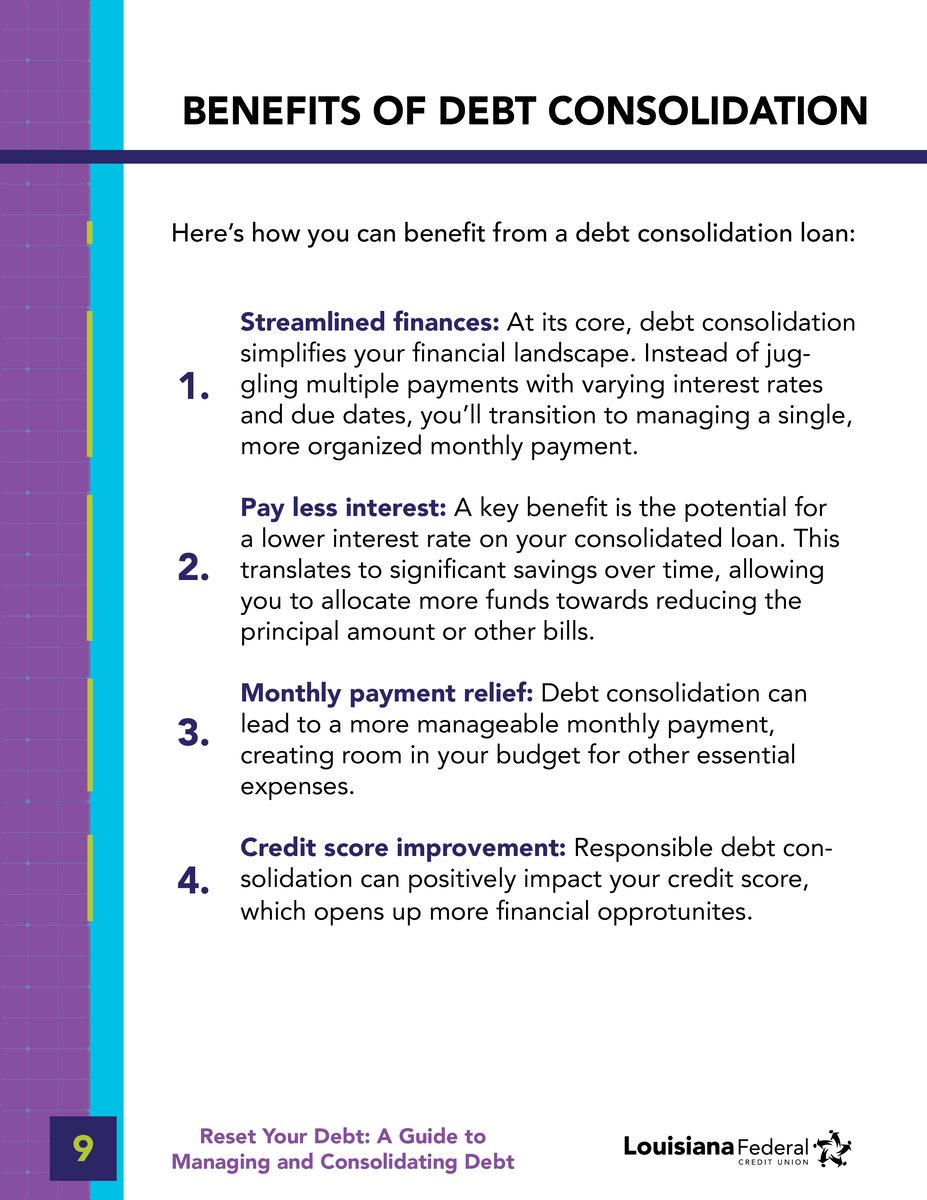
Managing debt effectively is crucial for maintaining good financial health. Consolidating multiple loans into a single payment can simplify your finances and potentially lower interest rates, making it easier to pay off debt faster. This process often leads to better credit by reducing the chance of missed payments and demonstrating responsible credit management.
For those juggling various debts, loan consolidation can be a strategic move to regain control over their financial future. It is important to approach this decision with a clear understanding of your financial situation and the terms of any potential consolidation loan. A well-planned consolidation could lead to significant savings and a more manageable financial life, setting the stage for improved creditworthiness and peace of mind.
Introduction To Loan Consolidation
Loan consolidation can streamline finances. It combines multiple debts into one. This process simplifies repayment. It often results in lower monthly payments. Credit scores can improve as a result. Let’s explore loan consolidation further.
The Concept
Imagine juggling several balls. Each ball is a different loan. Loan consolidation takes these balls and turns them into one. This single loan replaces the others. One payment replaces multiple due dates. It’s a debt management strategy. It aims to make life simpler and debts more manageable.
Potential Benefits
- One Payment: Instead of many, you make one monthly payment.
- Lower Rates: Consolidation may offer lower interest rates.
- Improved Credit: On-time payments can boost your credit score.
- Fixed Terms: You’ll have a clear payoff date in sight.
Evaluating Your Debt
Before consolidating loans, it’s key to evaluate your debt. Understanding your current debt situation can help you make smarter decisions. Let’s dive into how to assess your debts effectively.
Types Of Debt
Not all debts are the same. It’s important to know the types. Here’s a look at common ones:
- Credit Card Debt: High interest, affects credit score.
- Student Loans: Lower interest, can have tax benefits.
- Mortgages: Secured by property, usually long-term.
- Auto Loans: Secured by your vehicle, fixed terms.
- Personal Loans: Can be secured or unsecured, various uses.
Assessing Financial Health
Knowing where your finances stand is crucial. Start with these steps:
- Calculate Total Debt: Add up everything you owe.
- Check Interest Rates: Note the rates for each debt.
- Monthly Income: Write down your income after taxes.
- Monthly Expenses: List all your regular expenses.
- Debt-to-Income Ratio: Divide total debt by income. Aim for low.
After these steps, you’ll have a clear picture of your financial health. This insight is vital for choosing the right loan consolidation strategy.
Credit Scores And Loan Consolidation
Understanding how loan consolidation impacts credit scores is vital. It helps manage debt better. Smart consolidation strategies can even boost credit health. Let’s dive into the effects and ways to improve your score through consolidation.
Influence On Credit
Consolidating loans can affect credit scores. Initially, it might cause a small dip. This happens due to credit checks from lenders. Over time, consolidation can lead to positive outcomes. A single, manageable payment often results in timely repayments. This can reflect well on credit reports. It’s crucial to choose the right consolidation plan. This ensures the influence is more helpful than harmful.
Improving Your Score
Improving credit scores with loan consolidation takes patience. Start by researching options. Opt for loans with lower interest rates. Ensure monthly payments fit your budget. On-time payments are key. They account for a significant part of credit scores. Avoid taking on new debt during this time. Focus on paying off the consolidated loan. This discipline over time can lead to a stronger credit score.
- Check rates: Compare interest rates before consolidating.
- Plan payments: Create a budget that includes the new payment.
- Pay on time: Set reminders for due dates to avoid late payments.
- Monitor credit: Keep track of your credit score changes.

Credit: obryanlawoffices.com
Choosing The Right Consolidation Loan
Debt can feel overwhelming, but a consolidation loan might help. It combines multiple debts into one payment. This simplifies finances and can improve credit. Yet, not all loans are the same. It’s crucial to choose wisely for your financial health.
Secured Vs. Unsecured Loans
Secured loans require collateral, like a home or car. These often have lower interest rates. On the flip side, unsecured loans do not need collateral. They may have higher rates but less risk for your assets.
- Secured loans: Lower rates, require collateral.
- Unsecured loans: Higher rates, no collateral needed.
Interest Rate Considerations
Interest rates impact your repayment amount. Look for the lowest rate to save money over time. Fixed rates stay the same, while variable rates can change. A fixed rate offers stability, while a variable rate might decrease.
| Loan Type | Interest Type | Pros | Cons |
|---|---|---|---|
| Fixed Rate | Stable | Predictable payments | Could be higher than variable |
| Variable Rate | Can change | Potential for lower rates | Uncertain payment amount |
Check your credit score before applying. A higher score means better loan terms. Aim to consolidate at a rate lower than your current debts. This ensures the consolidation loan is cost-effective.
Debt Management Plans
Managing your debt can feel like a tough puzzle. Debt Management Plans (DMPs) might be the missing piece. A DMP can simplify your payments and help improve your credit score. Let’s dive into how it works, focusing on two critical steps.
Working With Credit Counselors
First, finding a good credit counselor is key. They understand how to deal with debt. They will look at your debts and suggest a plan. This plan groups your debts into a single payment. It often comes with a lower interest rate. The goal? To pay off debt faster and boost your credit score.
- Find a reputable counselor.
- Review their plan for your debts.
- Start your journey to less debt.
Creating A Budget
Next, you need a budget. A good budget helps you see where your money goes. It shows how much you can pay towards debts each month. Stick to it, and you’ll find extra cash for debts. This means you can pay off debts sooner. A faster payoff improves your credit score.
| Expense | Monthly Cost |
|---|---|
| Rent/Mortgage | $1,000 |
| Utilities | $200 |
| Groceries | $400 |
| Debt Payment | Remaining Funds |
Remember, every dollar counts. Cutting small expenses adds up. It helps pay off debt faster.
- Track your spending.
- Identify areas to cut back.
- Allocate savings to debts.
Negotiating With Creditors
Negotiation plays a key role in loan consolidation. It can lead to better credit terms. Speaking with creditors may open doors to favorable conditions. Understanding your financial situation is crucial. It allows for informed discussions with lenders.
Leveraging Consolidation
Loan consolidation bundles multiple debts into a single payment. This streamlines finances and can reduce interest rates. A strong negotiation stance is vital. Present your consolidation plan confidently to creditors. Aim for a win-win situation.
- Assess your total debt
- Research consolidation options
- Prepare a consolidation proposal
- Discuss with each creditor
- Highlight potential benefits
Terms And Conditions
Terms and conditions dictate repayment. They impact your credit score. Always read the fine print. Seek clarity on interest rates, fees, and repayment schedules. A clear understanding prevents surprises. It ensures a smooth consolidation process.
| Term | Definition |
|---|---|
| APR | Annual Percentage Rate |
| Fees | Additional charges |
| Repayment Period | Loan duration |
Understanding these terms aids in successful negotiations. Proper terms can ensure timely payments. They help maintain or improve credit scores. Approach negotiations with a clear goal. Remember, knowledge is power in discussions.
Long-term Credit Health
Managing debt is crucial for a strong financial future. Loan consolidation can be a smart move. It simplifies payments and can improve credit scores. Consistent practices ensure lasting credit health.
Maintaining Good Habits
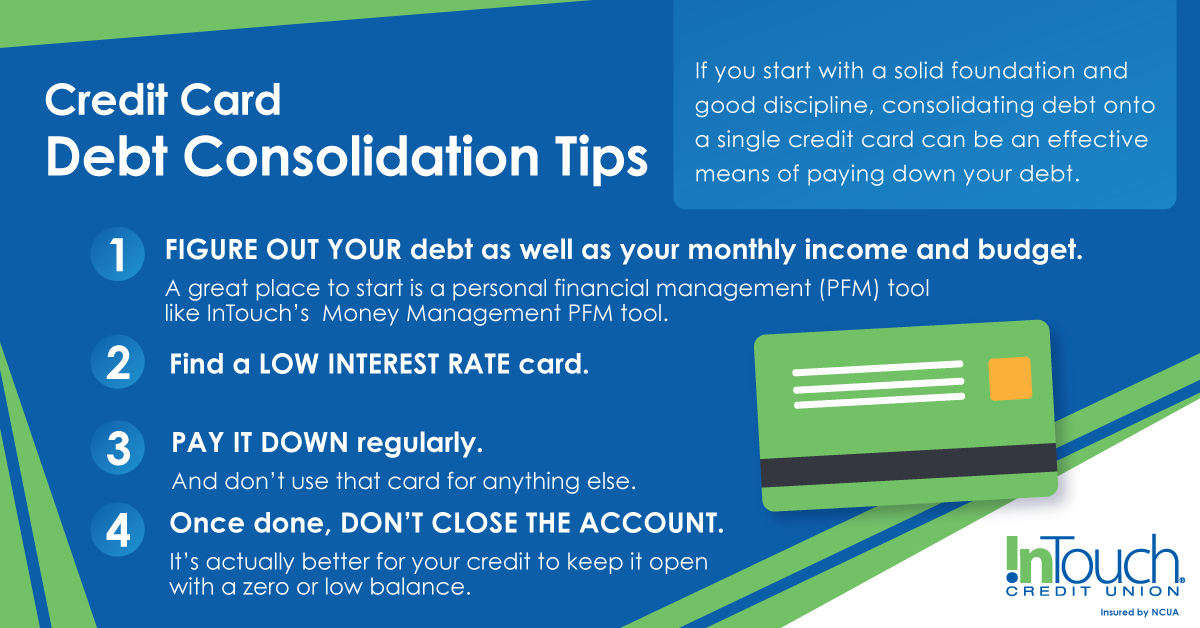
Financial discipline is the key to credit improvement. After consolidating loans, it’s vital to avoid new high-interest debt. Budgeting helps track expenses and savings.
- Stick to a budget: Control spending and save regularly.
- Timely payments: Pay bills before due dates.
- Extra payments: Reduce principal, minimize interest.
Regular Monitoring
Regularly check credit reports for errors. Dispute inaccuracies promptly. Use credit monitoring services for alerts.
- Annual credit reports: Obtain free reports yearly.
- Monitor credit: Use apps to track credit score changes.
- Alerts setup: Get notifications for unusual activities.
Credit: www.itcu.org
Common Pitfalls To Avoid
Loan consolidation can streamline your debt. Yet, watch out for traps. Here we discuss pitfalls and how to dodge them.
Hidden Fees
Always read the fine print. Some lenders charge fees you might miss. These can include:
- Origination fees: One-time charges for processing your loan.
- Prepayment penalties: Fees for paying off loans early.
- Late payment fees: Extra charges on delayed payments.
Compare fees from different lenders. Choose a plan that saves you the most.
Scams And Unreliable Agencies
Not all firms are trustworthy. Research is key. Signs of a scam include:
- Guaranteed approval with no check
- Unsolicited loan offers
- Pressure to sign up quickly
Check for agency reviews online. Use only reputable sources.
Success Stories
Consolidating loans can lead to better credit. Many people have done it successfully. Their stories inspire others to take control of their finances. Here are real-life examples and lessons they learned.
Real-life Examples
- Anna reduced her interest rates: She combined her debts into one loan. Her credit score improved after she made regular payments.
- Mike cleared his debts faster: He used consolidation to manage his payments. He saved money on interest and improved his credit score.
- Sarah avoided late fees: By consolidating, she had only one monthly payment. She never missed a payment and her credit score went up.
Lessons Learned
- Evaluate your debts: Know what you owe before consolidating.
- Research options: Find the best consolidation plan for you.
- Check interest rates: Lower rates mean more savings.
- Stay disciplined: Make payments on time, every time.
- Track your credit score: Watch your score rise as you pay off debt.
Credit: www.louisianafcu.org
Next Steps After Consolidation
Loan consolidation can make your financial life simpler and more manageable. After combining multiple debts into a single payment, the journey towards financial freedom truly begins. The next steps are crucial for maintaining a healthy credit score and staying debt-free. Let’s explore how to keep your finances on the right track post-consolidation.
Staying Debt-free
Keeping debt at bay is vital after loan consolidation. Here are effective strategies:
- Stick to a budget: Knowing where your money goes helps prevent overspending.
- Avoid new debt: Think twice before applying for new credit cards or loans.
- Save for emergencies: An emergency fund can cover unexpected expenses without new debt.
- Monitor your credit: Regularly check your credit report for errors or fraud.
Financial Planning
Successful financial planning is key to a debt-free life. Here’s how to plan:
- Set clear goals: Know what you’re saving for, be it retirement or a vacation.
- Review your plan regularly: Life changes. So should your financial plan.
- Invest wisely: Consider low-risk investments to grow your savings.
- Seek professional advice: A financial planner can offer tailored advice for your situation.
Following these steps diligently will help maintain a solid financial foundation. Remember, the goal is not just to get out of debt but to stay out. By practicing disciplined spending, saving, and planning, you can enjoy a financially secure future.
Frequently Asked Questions
Can Loan Consolidation Improve My Credit Score?
Consolidation can potentially improve your credit by simplifying debt payments. By merging multiple debts into a single loan with a lower interest rate, you make payments more manageable and may reduce the chance of missed payments, which positively impacts your credit score over time.
What Is The Best Strategy For Loan Consolidation?
The best strategy includes comparing interest rates, understanding fees, and choosing a reputable lender. Aim to consolidate debts into a loan with a lower rate than your current debts. This strategy helps save money and can make payments more manageable, aiding in timely repayment.
How Does Loan Consolidation Work?
Loan consolidation combines multiple loans into one with a single payment, often with a lower interest rate. It simplifies repayment and can make managing your debt easier. The consolidated loan pays off your existing debts, leaving you with just one loan to manage.
Is Consolidating Loans A Good Idea?
Consolidating loans can be a good idea if it reduces your interest rates and helps you manage payments better. It can simplify your finances, but it’s important to review the terms and ensure the new loan has favorable conditions that actually benefit your financial situation.
Conclusion
Navigating the path to improved credit through loan consolidation requires careful planning and smart decisions. By embracing these tips, you’re stepping closer to financial freedom and a healthier credit score. Remember, every small step counts. Start your journey today and watch as your financial landscape transforms for the better.