
A health insurance copay is a fixed amount you pay for a medical service, covered by your insurance. It is due at the time of the service.
Health insurance copays are an essential aspect of managing medical expenses. They help distribute costs between you and your insurance provider. Typically, copays apply to routine services like doctor visits, prescriptions, and emergency room visits. Knowing your copay amount aids in budgeting for healthcare expenses.
The specific copay amount can vary based on your insurance plan and the type of service you receive. Always check your insurance policy to understand your copay obligations. This knowledge ensures you are prepared for any out-of-pocket costs during medical appointments.
Introduction To Health Insurance Copays
Understanding health insurance copays is important. It helps you manage your medical expenses. This section will explain what copays are and why they matter.
Definition Of Copay
A copay is a fixed amount you pay for a medical service. This can include doctor visits or prescription medications. The amount is usually small compared to the total cost.
For example, you might pay $20 for a doctor’s visit. Your insurance covers the rest of the cost. Different services may have different copay amounts.
Importance Of Copays
Copays play a crucial role in health insurance. They help you budget your medical expenses. You know upfront how much you will pay for a service.
Benefits of Copays:
- Encourage responsible use of medical services.
- Make healthcare more affordable.
- Reduce the burden of unexpected medical costs.
Copays also help insurance companies manage costs. This keeps premiums lower for everyone.
How Copays Work
Health insurance copays are a fixed amount you pay for a healthcare service. This payment is separate from your monthly insurance premium. Copays help share the cost of your care between you and your insurance provider.
When Copays Apply
Copays typically apply to various medical services. These include:
- Doctor visits
- Specialist consultations
- Emergency room visits
- Prescription medications
You pay your copay at the time of service. The amount can vary based on your insurance plan and the type of service.
Examples Of Common Copays
Here are some common copay amounts you might encounter:
| Service Type | Typical Copay |
|---|---|
| Primary Care Visit | $20 – $30 |
| Specialist Visit | $40 – $50 |
| Emergency Room | $100 – $200 |
| Generic Medication | $10 – $15 |
These amounts can differ based on your specific insurance plan. Always check your plan details for accurate copay amounts.
Types Of Copays
Understanding the Types of Copays can help you manage your healthcare costs better. Different services require different copay amounts. Here are the main types of copays you might encounter:
Medical Services
Medical services copays vary depending on the type of service. Here are some common examples:
- Primary Care Visits: You may pay a lower copay for visiting your regular doctor.
- Specialist Visits: Visiting a specialist often has a higher copay.
- Emergency Room Visits: These usually have the highest copay due to the urgent nature of care.
- Urgent Care Visits: Urgent care centers often have a moderate copay, less than the ER but more than primary care.
Prescription Drugs
Prescription drugs copays depend on the type of medication. Health insurance plans usually categorize medications into different tiers:
| Tier | Description | Copay Amount |
|---|---|---|
| Tier 1 | Generic Drugs | Lowest Copay |
| Tier 2 | Preferred Brand-Name Drugs | Moderate Copay |
| Tier 3 | Non-Preferred Brand-Name Drugs | Higher Copay |
| Tier 4 | Specialty Drugs | Highest Copay |
Understanding these tiers can help you choose the most cost-effective medications. Always check your plan’s formulary to know which tier your medication falls into.

Credit: www.healthmarkets.com
Copays Vs. Other Costs
Understanding health insurance can be tough. One key part is the copay. But how do copays stack up against other costs? Let’s dive into the differences.
Copays Vs. Deductibles
Copays are fixed fees you pay for specific services. For example, you might pay $20 to see a doctor. This fee is usually paid at the time of service.
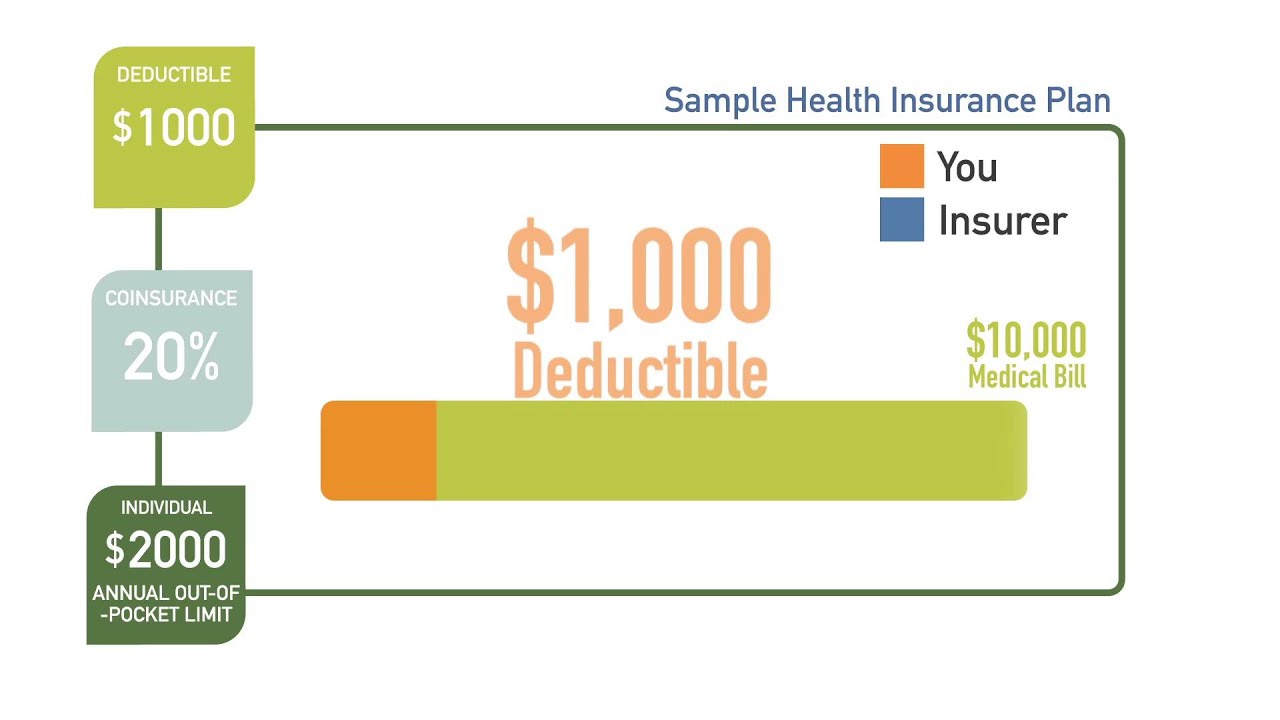
Deductibles are different. A deductible is the amount you pay before your insurance starts covering costs. For instance, if your deductible is $1,000, you pay this amount before your insurance pays.
Here’s a quick table to compare:
| Copay | Deductible |
|---|---|
| Fixed fee for service | Pay before insurance kicks in |
| Paid at the time of service | Paid over time until the limit is met |
| Common with doctor visits | Applies to most services |
Copays Vs. Coinsurance
Copays are fixed amounts. You know what you will pay each time.
Coinsurance is a bit different. Coinsurance is a percentage of the cost you share with your insurance. For example, your insurance may cover 80%, and you pay 20%.
Here’s a quick table to compare:
| Copay | Coinsurance |
|---|---|
| Fixed fee per service | Percentage of service cost |
| Easy to predict | Varies with service cost |
| Common with doctor visits | Common after deductible is met |
In summary, copays, deductibles, and coinsurance each play a role in your health costs. Understanding these can help you manage your medical expenses better.
Benefits Of Copays
Understanding the benefits of copays can help you manage your healthcare costs better. Copays can make healthcare expenses more predictable and encourage responsible use of medical services.
Cost Predictability
One major benefit of copays is cost predictability. Knowing exactly what you will pay for a doctor visit or prescription is helpful. This makes budgeting for healthcare easier. You won’t face surprise bills. You pay the same amount each time you receive care.
Here is a simple table to illustrate:
| Service | Typical Copay |
|---|---|
| Doctor Visit | $20 |
| Specialist Visit | $40 |
| Prescription | $10 |
Encouraging Proper Use Of Services
Copays also encourage the proper use of medical services. People might avoid unnecessary visits because they have to pay a copay each time. This ensures that resources are used wisely. For instance, seeing a primary doctor for minor issues rather than rushing to the emergency room.
Here are some key points:
- Reduces unnecessary visits.
- Encourages appropriate use of services.
- Helps maintain healthcare system efficiency.
Credit: www.youtube.com
Tips For Managing Copays
Health insurance copays can sometimes feel overwhelming. With a few smart strategies, you can manage these costs effectively. Below are some tips that can help you budget and understand your copays better.
Budgeting For Copays
Creating a budget for your copays is essential. Here are some steps to help you:
- Review your medical needs: Make a list of your regular doctor’s visits and medications.
- Estimate your monthly expenses: Calculate the total copays for your planned visits and prescriptions.
- Set aside funds: Allocate a specific amount each month for these expenses.
- Use a savings account: Open a separate account to save for unexpected medical costs.
Understanding Your Plan
It’s important to fully understand your health insurance plan. Here are some key points to review:
- Check your copay amounts: Different services may have different copays.
- Know your network: In-network providers typically have lower copays.
- Understand your benefits: Some plans offer preventive services with no copay.
- Review your policy: Look at your policy documents or contact your insurer for details.
By following these tips, you can manage your copays more effectively and avoid financial stress.
:max_bytes(150000):strip_icc()/dotdash-coinsurance-vs-copay-why-you-need-know-difference-final-e570a197e19f4ea58eca928ad5a47c1d.jpg)
Credit: www.investopedia.com
Frequently Asked Questions
What Is A Health Insurance Copay?
A copay is a fixed amount you pay for healthcare services, like doctor visits or prescriptions.
How Does A Copay Work?
You pay a copay at the time of service, and your insurance covers the rest.
Do All Health Plans Have Copays?
Not all plans have copays. Some may use coinsurance or other cost-sharing methods.
Are Copays And Deductibles The Same?
No, copays are fixed fees for services, while deductibles are amounts you pay before insurance kicks in.
Can Copays Vary By Service Type?
Yes, copays can differ for various services like doctor visits, specialist consultations, and emergency room visits.
Conclusion
Understanding health insurance copays is essential for managing medical expenses. Copays are fixed amounts paid for specific services. Knowing your copay details helps avoid unexpected costs. Always review your insurance policy for accurate information. This knowledge empowers you to make informed healthcare decisions, ensuring financial peace of mind.