COBRA Health Insurance allows employees to continue their employer-sponsored health coverage after leaving their job. It provides temporary coverage for qualifying individuals.
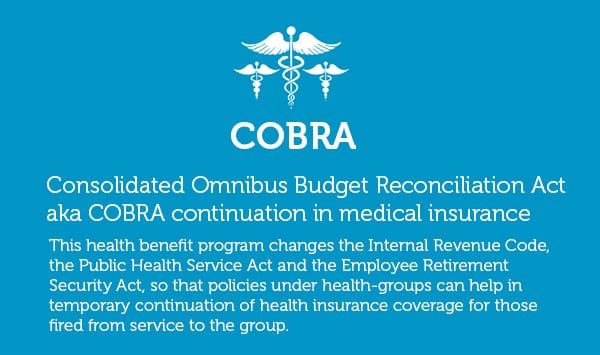
COBRA stands for the Consolidated Omnibus Budget Reconciliation Act. This federal law gives workers and their families the right to maintain health benefits for a limited time after employment ends. It applies to companies with 20 or more employees. COBRA coverage can last from 18 to 36 months, depending on the qualifying event.
While COBRA can be more expensive than employer-subsidized plans, it ensures that individuals do not lose their health insurance immediately after leaving their job. This continuity is crucial for those in need of ongoing medical care or those who are between jobs.
Introduction To Cobra Health Insurance
Cobra Health Insurance can be a lifeline for those who lose their job. It allows people to keep their employer’s health plan. This is crucial during tough times.
Basics Of Cobra
Cobra stands for the Consolidated Omnibus Budget Reconciliation Act. It started in 1985. Cobra ensures that workers can keep their health insurance. This applies even after job loss or reduced hours. It is not a new health plan. It is the same plan you had at your job.
Cobra covers employees, their spouses, and dependent children. You can use Cobra for up to 18 months. In some cases, it can last up to 36 months. You must pay the full premium. This includes the part your employer used to pay.
Importance Of Cobra
Cobra Health Insurance offers peace of mind. It prevents sudden loss of coverage. This is vital during unemployment. It helps you avoid gaps in your health care. You can still visit your regular doctors. You can still get your usual treatments.
Cobra can be a bridge to your next job. It helps you stay insured until you find new work. It is also useful for those who need continuous care. For example, if you have ongoing treatments, Cobra ensures you do not miss any.
Here are some key benefits of Cobra:
- Maintains your current health plan
- Provides coverage during job transitions
- Ensures no disruption in medical care
- Includes family members in the plan
Eligibility criteria for Cobra are simple:
- Lost job due to layoff or reduced hours
- Experienced a qualifying life event
- Were enrolled in the employer’s health plan
Understanding Cobra Health Insurance helps you make informed choices. It can be a crucial safety net during challenging times.
Credit: truecoverage.com
Eligibility Criteria
Understanding the eligibility criteria for COBRA health insurance is crucial. This knowledge helps determine if you qualify for continued health coverage. Let’s explore who qualifies and special cases that may affect eligibility.
Who Qualifies?
Individuals must meet certain conditions to qualify for COBRA. These conditions ensure you can continue your health insurance coverage.
- You must have been enrolled in a group health plan.
- The employer must have at least 20 employees.
- Qualifying events like job loss or reduced hours must occur.
Here is a table for quick reference:
| Criteria | Details |
|---|---|
| Group Health Plan | Must be enrolled before job loss. |
| Employer Size | At least 20 employees. |
| Qualifying Events | Job loss, reduced hours, etc. |
Special Cases
Some special cases may influence your COBRA eligibility. It’s important to consider these scenarios.
- Divorce or Legal Separation: Spouses can continue coverage.
- Death of Employee: Dependents remain eligible.
- Medicare Eligibility: Employees qualifying for Medicare have options.
These special cases ensure that even under unique circumstances, you can maintain health coverage.
Coverage Details
COBRA Health Insurance is a vital option for many. It provides a continuation of health coverage. Let’s explore the coverage details of this insurance.
What It Covers
COBRA Health Insurance covers several key areas:
- Hospital care
- Doctor visits
- Prescription drugs
- Emergency services
- Preventive care
These services ensure you receive necessary medical attention. COBRA aims to keep your health intact during a transition.
Limitations
COBRA Health Insurance also has some limitations:
- High premiums
- Limited to 18-36 months
- Not available for new plans
- Must have had prior coverage
The high premiums can be challenging for many. The coverage period is also limited, which may not suit everyone. COBRA does not cover new plans, only existing ones. You must have had previous coverage to qualify.

Credit: www.wellmark.com
Costs And Premiums
Understanding the costs and premiums of COBRA health insurance is crucial. COBRA can be a lifeline after losing employer-sponsored coverage. It is important to grasp how the premiums are calculated and the payment options available.
Premium Calculation
COBRA premiums are based on the total cost of your previous health plan. This includes both your contribution and your employer’s contribution. Typically, COBRA premiums are higher than what you paid as an employee. This is because you now cover the full premium cost.
Here is a simple breakdown:
| Component | Cost |
|---|---|
| Your previous contribution | $300 |
| Employer’s contribution | $500 |
| Total Premium | $800 |
| Administrative Fee (2%) | $16 |
| Total COBRA Premium | $816 |
Payment Options
COBRA premiums are usually paid monthly. You have several payment methods to choose from. These include:
- Electronic Funds Transfer (EFT)
- Credit or Debit Cards
- Check or Money Order
Make sure your payments are timely. Late payments can result in a loss of coverage.
Some insurers offer a grace period. Always check your plan details to understand this period.
Enrollment Process
The enrollment process for Cobra Health Insurance is straightforward. It ensures you continue your health coverage after leaving a job. Understanding this process helps avoid any gaps in your healthcare.
Steps To Enroll
Follow these steps to enroll in Cobra Health Insurance:
- Receive Notification: Your employer will send you a notification. This usually happens within 14 days after leaving the job.
- Review Your Options: Carefully review the Cobra coverage options. This includes plan details and costs.
- Fill Out Forms: Complete the necessary enrollment forms. Ensure all information is correct.
- Submit Forms: Send the completed forms back to your former employer or plan administrator.
- Make Your First Payment: Pay the initial premium. This activates your Cobra coverage.
Key Deadlines
Meeting key deadlines is crucial for Cobra enrollment:
- 60 Days to Elect Coverage: You have 60 days to decide if you want Cobra coverage. This period starts from your notification date.
- 45 Days to Pay Initial Premium: After electing coverage, you have 45 days to make the first payment.
- Monthly Payments: Premiums are due monthly. Missing a payment can result in losing coverage.
Here’s a quick table to summarize the key deadlines:
| Action | Deadline |
|---|---|
| Elect Coverage | Within 60 days |
| Pay Initial Premium | Within 45 days |
| Monthly Premium Payments | Due Monthly |
Following these steps and meeting deadlines ensures continuous health coverage under Cobra. Stay vigilant with dates to avoid losing benefits.
Alternatives To Cobra
COBRA health insurance provides a way to continue employer-sponsored coverage after leaving a job. But it can be costly. Exploring alternatives to COBRA can help you find more affordable options.
Other Health Insurance Options
There are various health insurance plans available besides COBRA. Here are some options:
- Marketplace Plans: Offered through the Health Insurance Marketplace. These plans may have lower premiums.
- Medicaid: For low-income individuals and families. Eligibility varies by state.
- Short-term Health Insurance: Temporary coverage. Ideal for gaps between long-term plans.
- Spouse’s Employer Plan: Join your spouse’s health insurance. Often a cost-effective option.
Comparing Costs
Cost comparison is crucial when choosing a health plan. Below is a table comparing the costs of different plans:
| Plan Type | Monthly Premium | Deductible | Coverage |
|---|---|---|---|
| COBRA | $600 | $1,000 | Comprehensive |
| Marketplace | $400 | $1,500 | Variable |
| Medicaid | $0 | $0 | Basic |
| Short-term | $200 | $2,000 | Limited |
| Spouse’s Plan | $250 | $1,200 | Comprehensive |
Reviewing these options can help you find an affordable health insurance plan that meets your needs.

Credit: www.physiciansidegigs.com
Frequently Asked Questions
What Is Cobra Health Insurance?
COBRA health insurance allows you to keep your employer-sponsored health plan after losing your job.
How Long Does Cobra Coverage Last?
COBRA coverage generally lasts 18 to 36 months, depending on the qualifying event.
Who Is Eligible For Cobra Insurance?
Employees, spouses, and dependent children losing health benefits due to specific qualifying events are eligible.
How Much Does Cobra Insurance Cost?
COBRA insurance typically costs the full premium plus a 2% administrative fee.
What Are Cobra Qualifying Events?
Qualifying events include job loss, reduction in work hours, divorce, or death of the covered employee.
Conclusion
COBRA health insurance offers a crucial safety net for those who lose their job-based coverage. It allows you to maintain your existing health plan temporarily. Understanding its benefits and costs can help you make informed decisions. Consider your healthcare needs and budget before opting for COBRA.
Stay protected and make the best choice for your health.