What Does Comprehensive Car Insurance Cover? Perils, Gaps and When It Pays Off
Written by Rakib Sarwar, 15 years in banking and lending · Last updated: October 31, 2026
Why trust this guide: every coverage rule and figure below comes from the Insurance Information Institute, the NAIC or ISO claim statistics, with the year stated. We do not sell insurance.
Disclosure: this page may carry ads or links to insurance partners. They do not affect what we write, and we never recommend a policy because of a commission.
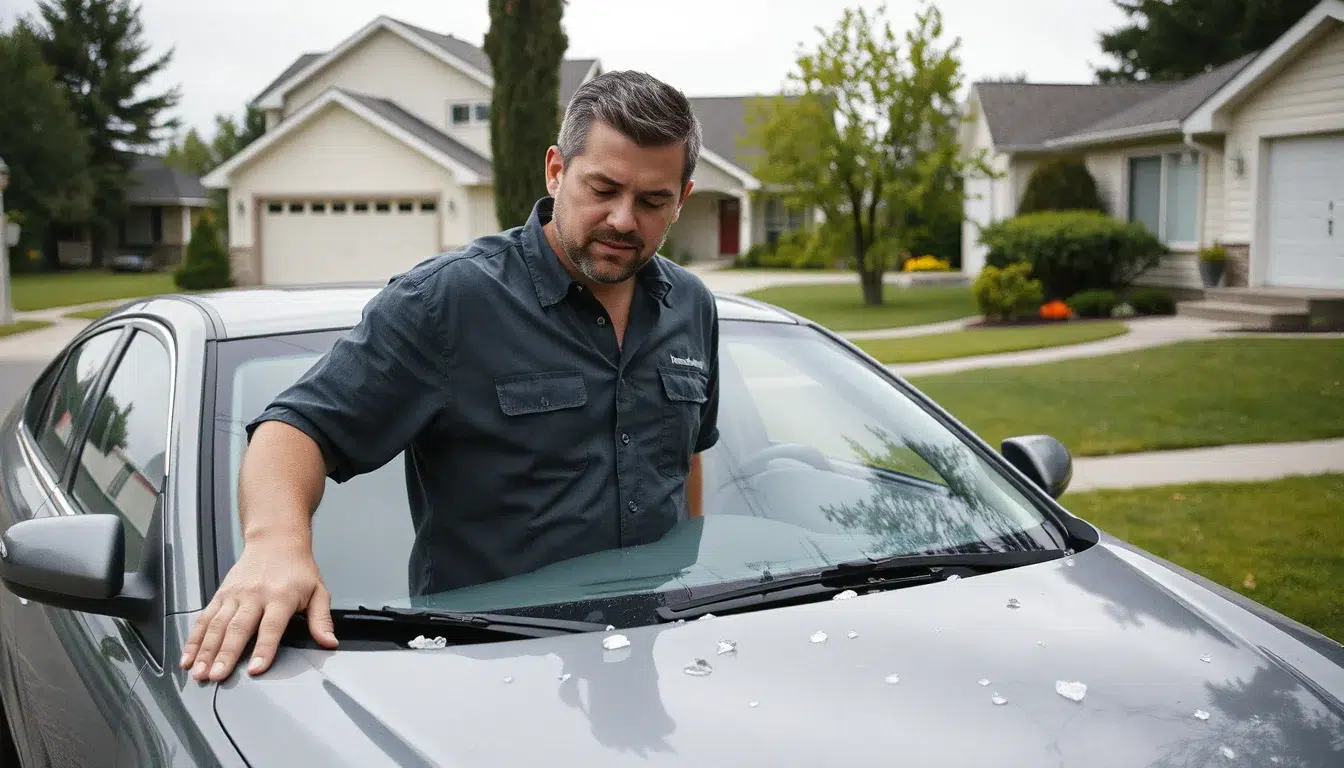
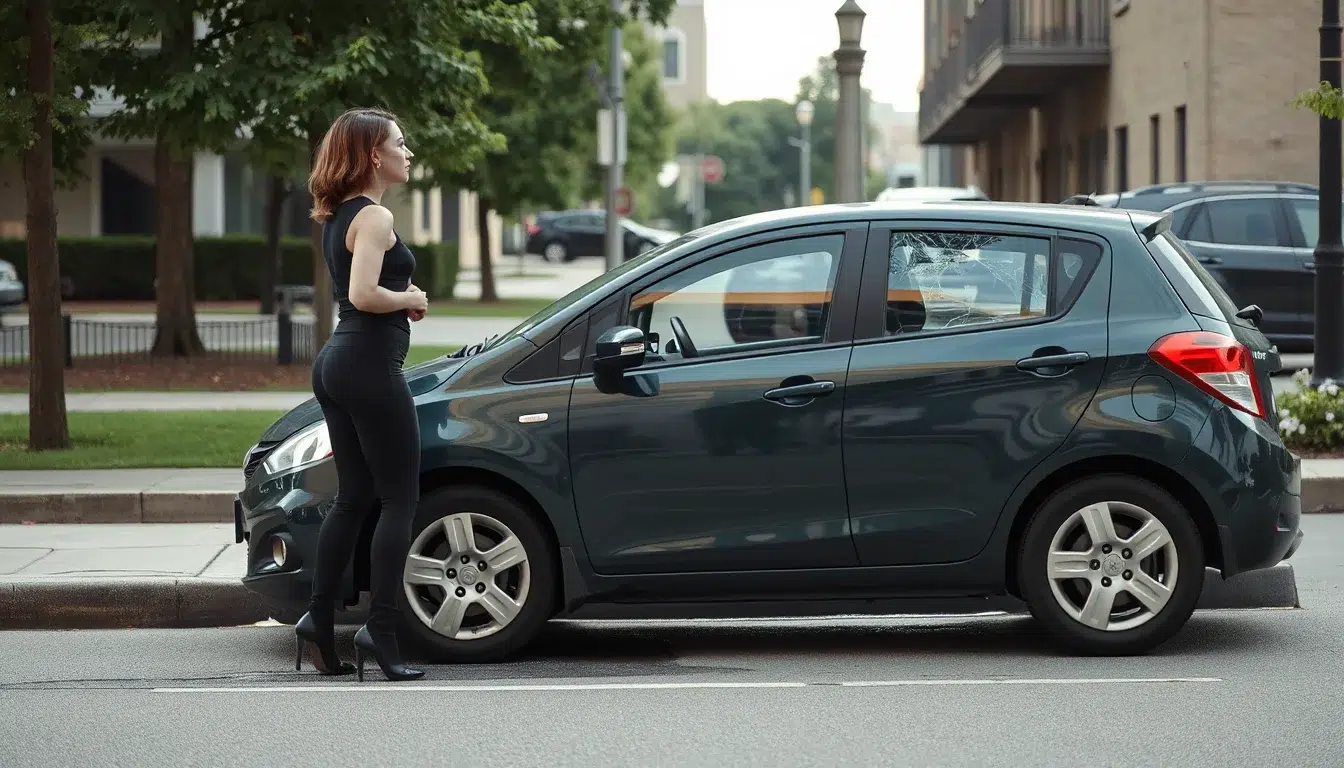
Your car was fine when you parked it. Now there is a cracked windshield, a dented hood or an empty space where it used to be. Before you call anyone, you want to know whether your policy pays, and the answer sits in one coverage most drivers never read.
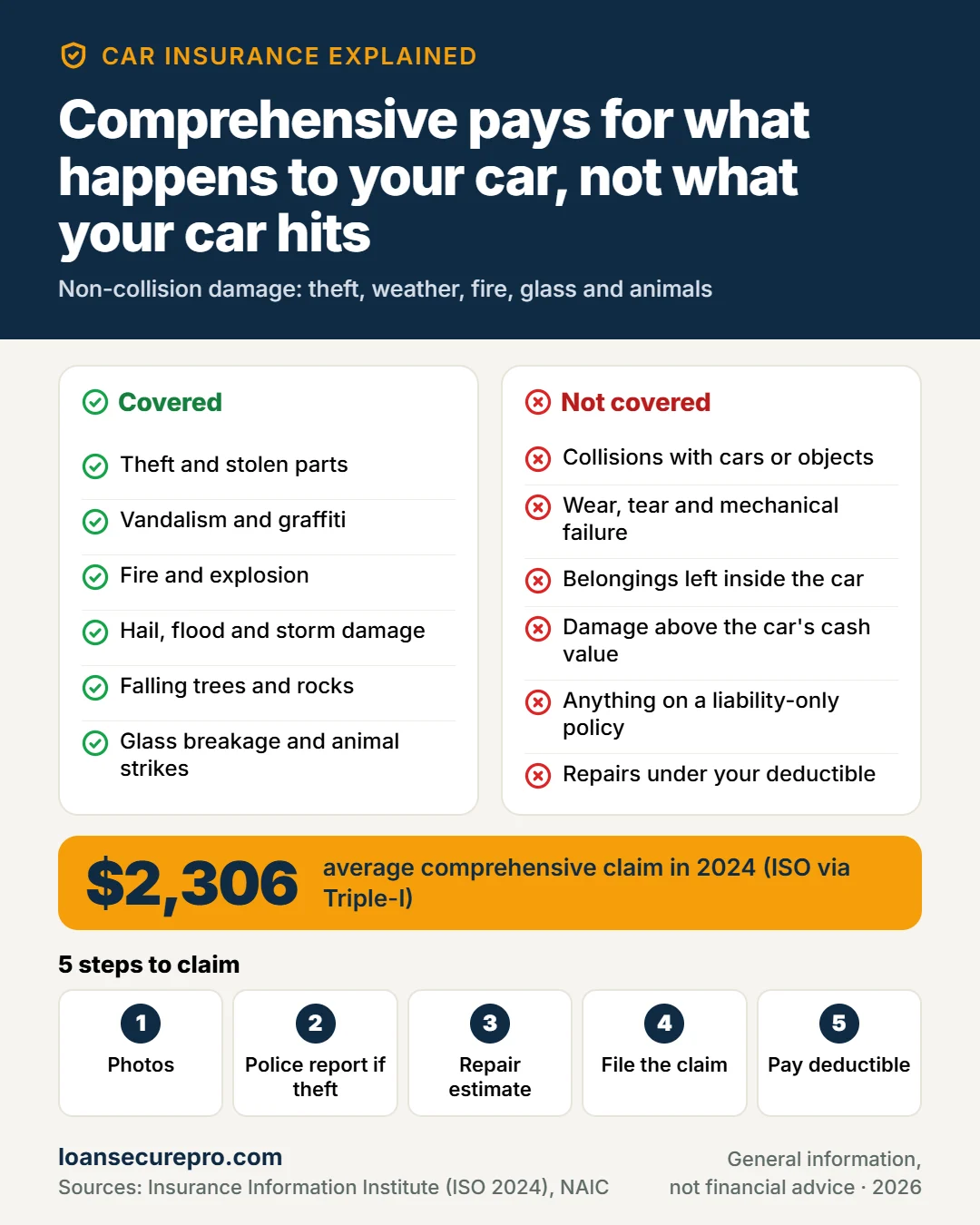
Comprehensive car insurance pays to repair or replace your own car after damage that did not come from a collision. That includes theft, vandalism, fire, hail, flood, falling trees or rocks, broken glass and hitting an animal. You pay your comprehensive deductible first, and the insurer pays the rest, up to the car’s actual cash value. It does not pay for crashes with other vehicles or objects, which is collision coverage. It also excludes normal wear and tear, mechanical breakdowns and belongings left inside the car. No state requires comprehensive, but lenders usually do on financed or leased cars.
In short: comprehensive covers what happens to your car, while collision covers what your car hits. Whether it is worth carrying depends on the car’s value and the price of the coverage.
The Insurance Information Institute reports that about 80 percent of insured drivers bought comprehensive in 2023, using NAIC data. Its 2024 ISO figures put the average comprehensive claim at $2,306, so these are not rare or small events.
This guide is for US drivers who want a clear list of what is in and out, a way to tell comprehensive from collision, and a simple test for keeping or dropping it. It also walks through filing a claim and where state rules differ.
Key takeaways
- Comprehensive covers non-collision damage to your own car: theft, vandalism, fire, weather, glass and animal strikes.
- Collisions, including potholes and rollovers, fall under collision coverage instead.
- The most the insurer will pay is the car’s actual cash value, minus your deductible.
- Wear and tear, mechanical failure and personal belongings in the car are not covered.
- On an older, low-value car, comprehensive can cost more over a few years than the most it could ever pay.
- Florida, Kentucky and South Carolina require insurers to waive the deductible on covered windshield replacement, as of April 2024.
- Hitting an animal is comprehensive, but swerving into a tree to avoid one is often treated as collision.
In this guide
- What comprehensive car insurance covers
- What comprehensive does not cover
- Comprehensive or collision: which one pays?
- How much a claim pays: a worked example
- Is comprehensive worth keeping?
- How to file a comprehensive claim, step by step
- Do and don’t before you file
- Where state and lender rules differ
- Honest limits of this guide
- When to talk to a professional
- Frequently asked questions
What comprehensive car insurance covers
The Insurance Information Institute describes comprehensive as covering damage from events other than a collision. Think of it as protection against things that happen to a car while it is parked, or that no driver caused.
Policies name the covered events, and wording varies by insurer. The table below groups the common ones and notes the details that decide whether a claim is paid.
| Event | Covered? | What to know |
|---|---|---|
| Theft of the car | Yes | Paid up to actual cash value; the insurer usually waits a set period before treating a car as unrecovered |
| Theft of parts (wheels, catalytic converter, mirrors) | Yes | Parts that came with the car or are permanently attached; aftermarket upgrades may be capped |
| Vandalism, keying, graffiti | Yes | Intentional damage by someone else; see our guide on whether car insurance covers vandalism |
| Fire and explosion | Yes | Fire from any cause except a crash, which is collision |
| Hail, flood, storm and wind | Yes | Typical total-loss cause after a flood; hail damage is often many small dents |
| Falling objects (trees, branches, rocks) | Yes | A tree landing on a parked car is comprehensive |
| Glass breakage not caused by a collision | Yes | Chips, cracks and shattered windows; some states waive the deductible |
| Hitting an animal (deer, for example) | Yes | The animal must be what you struck, not a swerve into something else |
| Riots and civil disturbance | Often | Listed in many policies; check the named perils in yours |
Comprehensive pays for the car and what is permanently attached to it. That includes factory equipment and built-in stereo or navigation. Some policies add rental reimbursement or towing as optional extras, which are separate lines on your declarations page.
What comprehensive does not cover
Most disputed claims fall into a short list of exclusions. Knowing them before a loss avoids the unpleasant surprise of a denied claim.
Not covered by comprehensive
- Crashes with other vehicles, guardrails, poles or potholes (collision)
- Normal wear and tear: brakes, belts, hoses, wipers, worn tires
- Mechanical or electrical breakdown with no outside cause
- Phones, laptops, tools and bags inside the car
- Damage caused on purpose by you or someone you let drive
- Any damage on a liability-only policy
Who pays instead
- Collision coverage, if you carry it
- You, or a repair warranty, for wear and breakdowns
- Renters or homeowners insurance, for belongings
- The at-fault driver’s liability coverage, when another driver hits you
- Your policy’s uninsured motorist coverage, for some hit-and-run losses
- Nobody, if the repair costs less than your deductible
Comprehensive or collision: which one pays?
The simplest test is to ask what moved. If your car moved into something, or something moved into it while someone was driving, that is collision. If it happened to a car just sitting there, or came from nature, theft or an animal, that is comprehensive.
| Situation | Usually paid by | Why |
|---|---|---|
| Deer runs into the side of your car | Comprehensive | Striking an animal is a named non-collision event |
| You swerve to miss a deer and hit a tree | Often collision | Many insurers classify it as a collision with an object; check your wording |
| Tree falls on your parked car in a storm | Comprehensive | Falling object, no collision by a driver |
| You hit a pothole and bend a rim | Collision | The Insurance Information Institute lists potholes and rollovers under collision |
| Rock thrown up by a truck cracks the windshield | Comprehensive | Glass breakage without a collision |
| Someone backs into your parked car and drives off | Collision or uninsured motorist | See our guide on whether car insurance covers hit-and-runs |
| Your car is stolen and found burned | Comprehensive | Theft and fire are both non-collision events |
The classification matters because the two coverages usually have separate deductibles and separate rate effects. Our guide to how car insurance deductibles work explains how to set each one.
How much a claim pays: a worked example
A comprehensive claim pays the lower of two numbers: the repair cost or the car’s actual cash value, minus your deductible. Actual cash value is what a similar car would sell for today, after depreciation, not what you paid.
Real settlements also include local sales tax and fees in some states, and the adjuster’s valuation of your car can differ from your own. Ask for the valuation report in writing if a total loss offer looks low.
The figures above are placeholders for the method, not predictions. Your deductible and your car’s value will be different.
Is comprehensive worth keeping?
The Insurance Information Institute’s ISO data shows what the coverage is built on. In 2024 there were 3.95 comprehensive claims per 100 car years, and the average claim was $2,306. Multiplying them gives roughly $91 in expected claims cost per car per year, before the insurer’s expenses.
That is arithmetic on industry averages, not a quote. Your price depends on your car, location and theft and weather risk. It does show that comprehensive is mostly a protection against rare, expensive losses, not a service you use every year.
The keep-or-drop test. Compare three numbers from your declarations page and a valuation site: the car’s actual cash value, your comprehensive deductible and your annual comprehensive premium.
Two rules cut against dropping it. A lender or lessor will probably require comprehensive until the loan is paid off. And if a single loss would hurt you financially, the premium is the price of not carrying that risk alone.
How to file a comprehensive claim, step by step
Most straightforward claims settle in one to three weeks. Delays almost always come from missing documents, so work through the steps in this order.
- Make the car safe and document it. Take wide and close-up photos before anything is moved or cleaned. Note the date, time and location, and keep any broken parts.
- File a police report for theft or vandalism. Insurers expect a report number for both. For hail, flood or fallen trees, photos and weather dates are usually enough.
- Protect the car from more damage. Cover broken windows, move the car out of floodwater if it is safe, and keep receipts for towing or temporary fixes.
- Get a repair estimate. A shop’s written, itemized estimate lets you compare the repair against your deductible before you decide to claim.
- Report the claim. Use the app, website or phone line. Have your policy number, the photos, the report number and a short written account ready.
- Work with the adjuster. They may inspect in person or from photos. Point out every damaged area, including those that are easy to miss, such as glass or sensors.
- Approve the repair or settlement. You pay the deductible to the shop or it is taken from the payment. For a total loss, review the valuation before accepting.
- Keep your records. File the estimate, photos, report and payment letter. You may need them if the insurer recovers money from a responsible party.
Documents checklist: policy number, dated photos or video, police report number where relevant, written repair estimate, receipts for towing or temporary repairs and, for a total loss, the title and loan details.
Do and don’t before you file
A few habits keep a clean claim from turning into a slow one, and a few mistakes can hurt the payout.
Do
- Check your deductible against the repair estimate first
- Photograph the damage before repairs and keep old parts if asked
- Ask whether the claim will be coded as comprehensive or collision
- Report theft and vandalism to police the same day
- Ask your insurer how a claim of this size affects renewal
Don’t
- Leave a broken window uncovered; later water damage can be refused
- Repair first and send the bill afterward without approval
- Describe a collision as a comprehensive loss to use the lower deductible
- Accept a total-loss figure without checking the valuation
- Assume loose belongings are included

Where state and lender rules differ
Car insurance is regulated state by state. The core idea of comprehensive is the same everywhere, but four details change with where you live and who financed your car.
Glass deductibles. Progressive’s state guide, last updated in April 2024, lists Florida, Kentucky and South Carolina as states that require insurers to waive the deductible on covered windshield replacement. Other states may offer optional glass coverage with a low or zero deductible. Confirm with your insurer, because laws change.
Lender requirements. The NAIC notes that lenders may require both collision and comprehensive on financed or leased vehicles. The loan agreement usually sets a maximum deductible too, commonly $500 or $1,000.
Total-loss rules. States set the threshold at which a damaged car is declared a total loss, and some set how insurers must value the car. Your state’s Department of Insurance publishes the rule in its consumer guide.
Weather and theft risk. Insurers price comprehensive by location, so a hail-prone or high-theft ZIP code can raise the premium noticeably, even for the same car. Coverage terms stay the same; the price is what changes.
| Question | Where to find your answer |
|---|---|
| Is my windshield deductible waived? | Your declarations page and your state’s rules; Progressive lists FL, KY and SC (April 2024) |
| Is my lender requiring comprehensive? | Your loan or lease agreement, insurance section |
| How is a total loss valued? | Your state Department of Insurance consumer guide |
| Can I file a complaint about a denied claim? | NAIC directory of state insurance departments |
Honest limits of this guide
This guide describes how comprehensive coverage works in general. Your own policy wording controls, and insurers differ on glass, custom equipment limits, rental reimbursement and how some edge cases are classified.
The claim statistics are industry-wide averages published by the Insurance Information Institute for 2023 and 2024. They describe the market, not your premium or your likely payout. The $91 figure is our own multiplication of two published averages and is not a price.
The dollar examples use assumed car values, deductibles and premiums to show the method. We did not find a current authority figure for the national average price of comprehensive alone that we could verify, so we do not state one. We did not test any insurer’s claims process.
When to talk to a professional
Call a licensed agent or your insurer if you are unsure whether you carry comprehensive, what your deductible is or how your glass coverage works. The answers are on your declarations page and take a minute to confirm.
Contact your state Department of Insurance if a clear comprehensive claim is denied without a written reason or a total-loss valuation looks far below market. An attorney or public adjuster is worth considering only when the amount in dispute is large.
Disclaimer: this article is general information, not insurance, legal or financial advice. Coverage depends on your policy, your state and your insurer. Confirm details with a licensed professional before relying on them.
Frequently asked questions
Is comprehensive the same as full coverage?
No. “Full coverage” is a casual term, usually meaning liability plus comprehensive plus collision. Comprehensive alone covers non-collision damage to your car. It does not pay for crashes, and it does not pay for injuries or damage you cause to other people.
Does comprehensive cover a cracked windshield?
Yes, when the glass broke without a collision, for example from a stone or hail. You usually pay the comprehensive deductible unless your state or a glass add-on waives it. Florida, Kentucky and South Carolina require a waiver, per Progressive’s April 2024 guide.
Does comprehensive cover hitting a deer?
Yes. Striking an animal is a standard comprehensive event, and the insurer pays minus your deductible. If you swerve to avoid the animal and hit a tree or another car, many insurers treat that as a collision instead, so read your policy wording.
Does comprehensive cover flood damage?
Yes, flood and water damage to the car are covered under comprehensive in most policies. Floods often total a car, so the payout is the actual cash value minus the deductible. Your home or renters policy does not cover the car itself.
Does comprehensive cover things stolen from inside my car?
Usually not. Comprehensive covers the car and parts permanently attached to it, not loose items such as phones, laptops or tools. Belongings taken from a car are normally claimed under renters or homeowners insurance, subject to that policy’s deductible.
Is comprehensive required by law?
No. The NAIC says state law does not require comprehensive or collision coverage. Most states require liability only. However, a lender or leasing company usually requires comprehensive and collision until a car is paid off, so check your loan agreement before dropping either.
What is a good comprehensive deductible?
One you could pay from savings without strain. A higher deductible lowers the premium but raises your cost per claim. Many drivers choose $500 or $1,000. If you park outdoors in a hail or theft area, price a lower option before deciding.
Will a comprehensive claim raise my rates?
It can, but usually less than an at-fault accident. You may lose a claim-free discount, and several claims in a short period can matter more than one. Rules vary by insurer and state, so ask how a claim of that size would affect your renewal.
What happens if my car is stolen and never found?
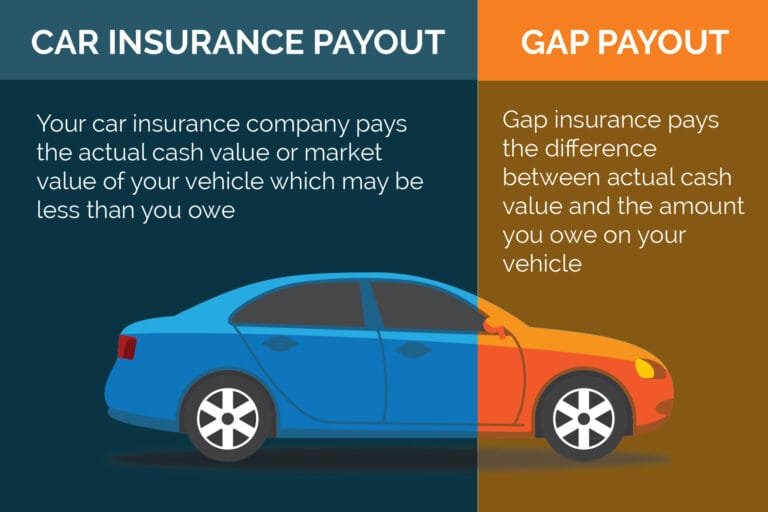
After a waiting period set by the insurer, the claim becomes a total loss and pays actual cash value minus your deductible. If you still owe more on the loan, you must cover the difference unless you carry gap coverage. File the police report immediately.
Does comprehensive pay for a rental car?
Only if you bought rental reimbursement or the policy includes it. Comprehensive itself pays for the car, not your transportation. Some insurers sell rental coverage as a low-cost add-on with a daily limit, so check your declarations page before you need it.
The bottom line
Comprehensive pays for damage that does not come from a collision: theft, vandalism, fire, weather, falling objects, glass and animals. You pay the deductible and the insurer pays the rest, up to the car’s actual cash value. Wear, breakdowns and belongings in the car are outside it.
For a financed or valuable car, it is usually a sensible protection against rare, expensive losses. For an older car worth little more than a few premiums, run the keep-or-drop test above and decide with your lender’s rules in mind.
Sources
- Insurance Information Institute: What is covered by a basic auto insurance policy? (accessed Oct 31, 2026)
- Insurance Information Institute: Facts and statistics, auto insurance (ISO/Verisk 2024 claim data, NAIC 2023 coverage data) (accessed Oct 31, 2026)
- NAIC: Auto insurance (consumer topic page, updated Sep 2025) (accessed Oct 31, 2026)
- Progressive: Which states offer free windshield replacement? (updated Apr 2024) (accessed Oct 31, 2026)

3 Comments