Does Car Insurance Cover a Hit-and-Run? What Pays and How to Claim
Written by Rakib Sarwar, 15 years in banking and lending · Last updated: October 31, 2026
Why trust this guide: every coverage rule and figure below comes from the Insurance Information Institute, the AAA Foundation, the Insurance Research Council or a named comparison source, with the year stated. We do not sell insurance.
Disclosure: this page may carry ads or links to insurance partners. They do not affect what we write, and we never recommend a policy because of a commission.
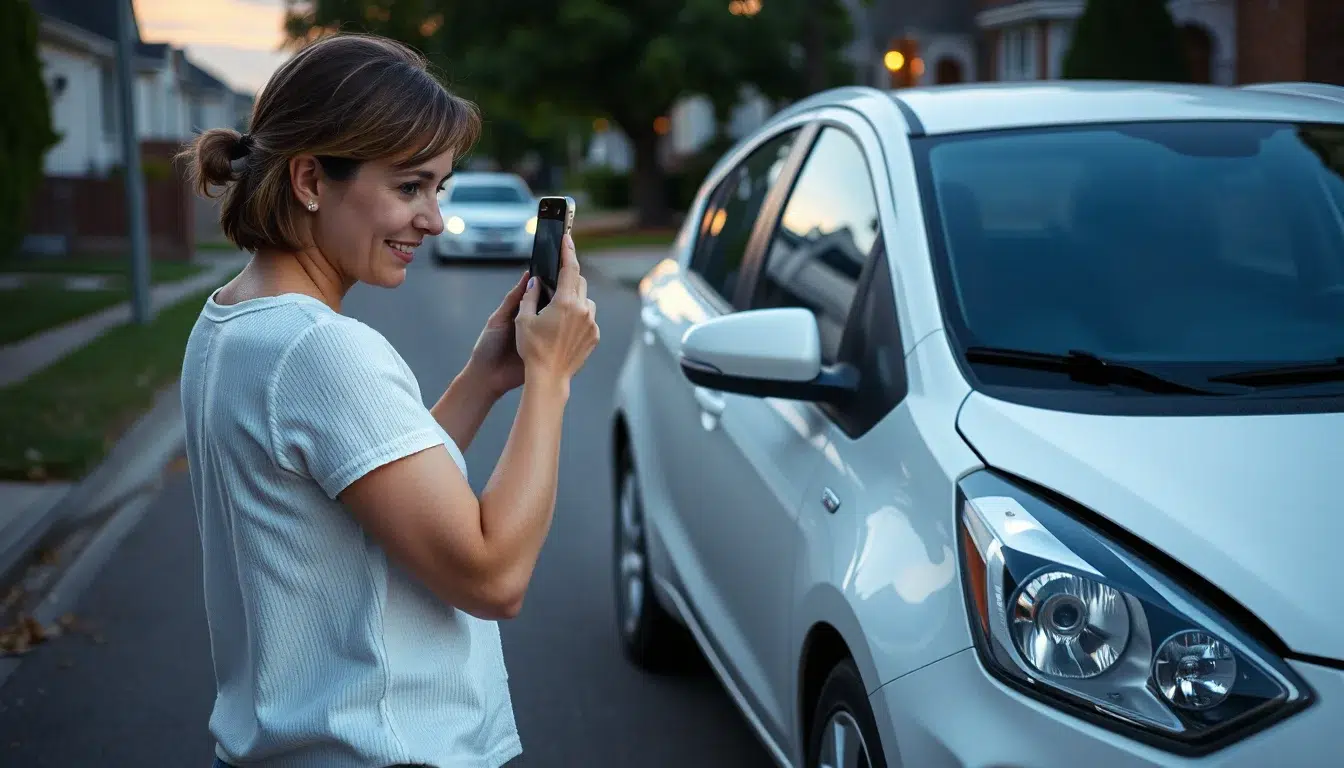
You walk back to your car and find a crushed bumper, a note-free windshield and no sign of whoever did it. Or worse, a driver hit you on the road and left. Before the adrenaline fades you need to know what your insurance does, because the answer depends on coverages you may not remember buying.
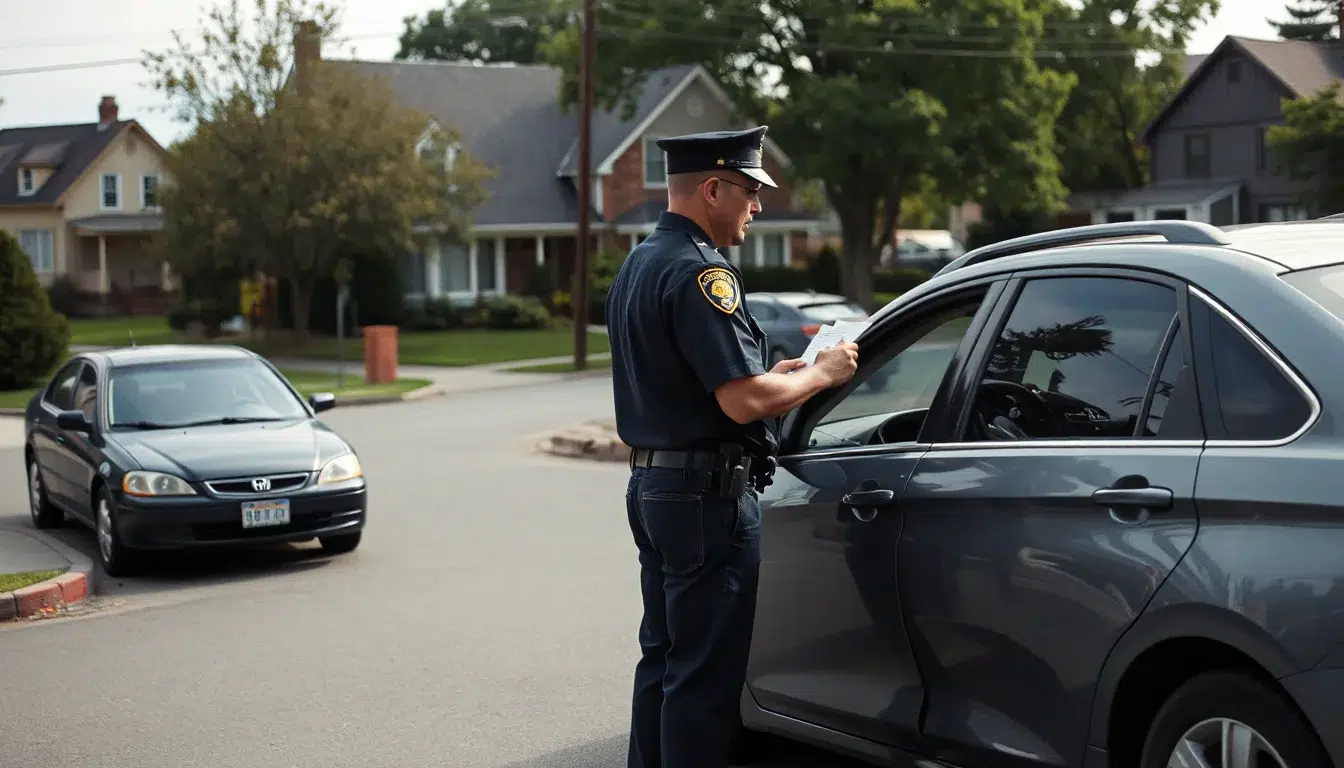
Yes, car insurance can cover a hit-and-run, but which coverage pays depends on what you carry. Collision coverage usually pays to repair your car, minus your collision deductible, and many insurers treat a fleeing driver as a collision loss. Uninsured motorist coverage can pay for your injuries and, in many states, for your car as well. Liability insurance does not help, because it only pays for harm you cause to others. Comprehensive does not cover crashes. If you carry liability only, you may have no way to recover repair costs unless the driver is found.
In short: collision or uninsured motorist property damage pays for the car, and uninsured motorist bodily injury, personal injury protection or medical payments pay for you. Report it to the police quickly, because both the insurer and some states require it.
The problem is common. The AAA Foundation, citing NHTSA, estimates 737,100 hit-and-run crashes in 2015. The Insurance Research Council estimates 14.0 percent of US drivers were uninsured in 2022 and 15.4 percent in 2023, so the other driver often has no coverage.
This guide is for US drivers who have been hit by a driver who left, or who want to know their protection first. It compares the coverages, shows a worked payout, explains the contact rule and the first-hour steps, and covers injuries.
Key takeaways
- Collision and uninsured motorist property damage are the two coverages that usually pay for your car after a hit-and-run.
- Liability and comprehensive do not pay for a hit-and-run crash.
- Uninsured motorist bodily injury, personal injury protection and medical payments are the coverages that pay for your injuries.
- Roughly 20 states require physical contact before uninsured motorist property damage pays, according to MoneyGeek.
- Most insurers want a police report within 24 hours, and some states set their own deadline.
- The deductible you pay depends on which coverage you use, so compare both before choosing.
- If the driver is found later, your insurer may recover its payment and refund your deductible.
In this guide
- Which coverage pays in a hit-and-run?
- Collision or uninsured motorist: a worked comparison
- What if you are injured?
- The contact rule and the police report deadline
- What to do in the first hour, step by step
- What happens after you file
- If the driver is found later
- Do and don’t after a hit-and-run
- Where state and insurer rules differ
- Honest limits of this guide
- When to talk to a professional
- Frequently asked questions
Which coverage pays in a hit-and-run?
Four parts of a policy come up after a hit-and-run. The Insurance Information Institute describes uninsured and underinsured motorist coverage as the part that reimburses you when an uninsured motorist causes the accident, and it names hit-and-runs specifically.
Collision pays for damage to your car from a crash with another vehicle or object. Comprehensive and liability are the two that do not apply to a crash, which is why drivers who carry only those are often stuck.
| Situation | Coverage that usually pays | What to know |
|---|---|---|
| Your parked car is hit and the driver leaves | Collision, or uninsured motorist property damage | Both can apply; the deductible and contact rule differ |
| Your moving car is hit and the driver flees | Collision, or uninsured motorist property damage | Report within 24 hours; record anything you saw of the other vehicle |
| You or a passenger is injured | Uninsured motorist bodily injury, personal injury protection, medical payments, your health plan | See the injury section below for the order |
| Only theft, vandalism or glass damage, no crash | Comprehensive | See what comprehensive car insurance covers and our vandalism guide |
| You carry liability only | Usually nothing for your car | Uninsured motorist bodily injury may still pay for injuries |
| The driver is identified and insured | Their liability coverage | Your insurer may pay first and recover from them |
Two categories are hard to separate in a real claim. If a driver sideswipes you and you cannot tell whether it was deliberate, the insurer treats it as a crash first. Deliberate damage while the car sits unattended is vandalism.
Collision or uninsured motorist: a worked comparison
When both coverages apply, you can often choose. They differ in deductible, rules and how the claim is recorded, so run the numbers before you decide.
| Feature | Collision | Uninsured motorist property damage |
|---|---|---|
| Typical deductible | MoneyGeek cites $500 to $1,500 | MoneyGeek cites $250 to $500, and some states or insurers waive it |
| Needs the driver identified? | No | No, but some states require contact with the other vehicle |
| Available everywhere? | Optional; lenders often require it | Required in some states, optional in others, and not offered everywhere for property damage |
| Covers injuries? | No | Bodily injury is a separate uninsured motorist coverage |
| Rate effect | Varies; ask whether a not-at-fault claim is surcharged | Often treated as not at fault; ask your insurer |
The $250 difference is not the only factor. Ask the insurer which coverage it would code the claim under, whether the claim counts as not at fault, and whether either path affects a claim-free discount.
The deductibles here are assumptions for the method. Your policy lists your real ones, and our guide to how car insurance deductibles work shows how to read them.
What if you are injured?
If anyone is hurt, call 911 first and get medical attention. Insurance paperwork can wait, and treatment records will support any later claim.
Several coverages can pay for injuries after a hit-and-run. The order they apply in depends on your state and policy, so treat the list below as a map, not a ranking.
- Uninsured motorist bodily injury: pays medical bills, and in many policies lost income and pain and suffering, when the at-fault driver is uninsured or unidentified.
- Personal injury protection (PIP): required or offered in some states; pays medical costs and sometimes lost wages regardless of fault.
- Medical payments (med pay): a smaller optional coverage for medical costs for you and your passengers.
- Your health insurance: pays under your plan’s terms, and the health insurer may seek reimbursement later.
If injuries are serious, speak to a personal injury attorney before accepting any settlement. Policy limits, deadlines and offsets between coverages can be complex.
The contact rule and the police report deadline
Two rules decide many hit-and-run claims, and both vary by state.
The contact rule. MoneyGeek reports that about 20 states require physical contact between the vehicles before uninsured motorist property damage pays. It names Florida, New York and Texas as examples, and California, Illinois and Pennsylvania as states without a confirmed-contact requirement, where insurers may ask for a witness statement instead. The rule exists to block false claims about “phantom” vehicles.
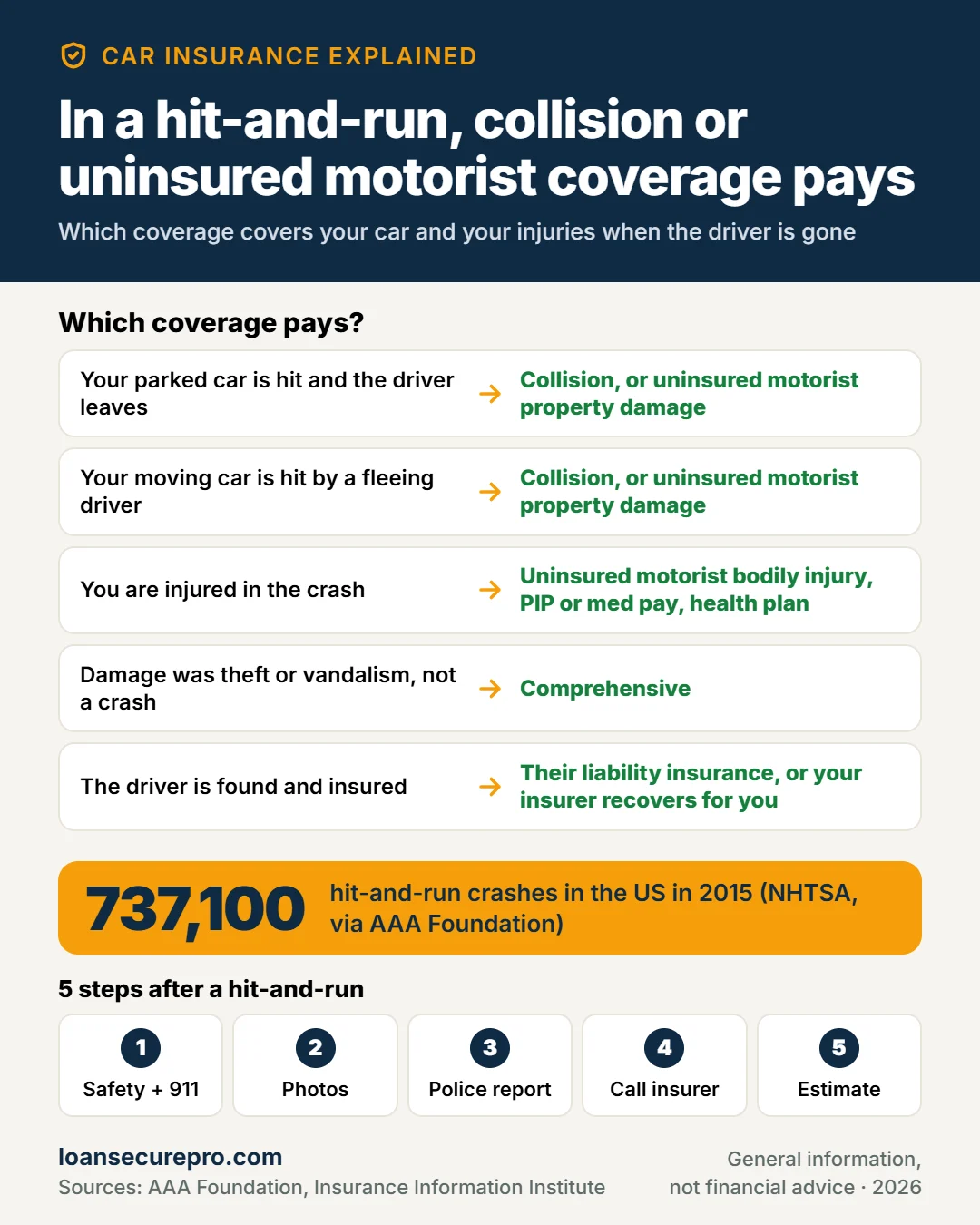
The police report. MoneyGeek says most insurers want a report within 24 hours, and some states set a window of 24 to 72 hours for uninsured motorist property damage. File as soon as you can, even if the damage seems small.
| Rule | What it means for you |
|---|---|
| Physical contact required | A car that swerved you off the road without touching you may not qualify; collision may still apply for the crash |
| Witness statement accepted | An independent witness can support a phantom-vehicle claim |
| Police report deadline | Missing the window can cost you the uninsured motorist property damage claim |
| Prompt notice to insurer | Most policies require notice as soon as practical; delays invite questions |
Both rules are state and insurer specific. Check the state insurance department consumer page for your state, or ask your insurer which rules apply.
What to do in the first hour, step by step
The first hour is the only time evidence is fresh. Work through the steps in order, and skip anything unsafe.
- Get safe and call 911 if anyone is hurt. Move to a safe spot if you can. Do not chase the other driver, which can put you at risk and hurt your claim.
- Record what you remember about the other vehicle. Write down the color, make, partial plate, direction and time before the details fade.
- Take photos and video. Capture the damage to your car, the road, any paint transfer and the surroundings. Include wide shots and close-ups with the time stamp on.
- Find witnesses and cameras. Ask bystanders for names and numbers. Ask nearby businesses and building managers about cameras, because footage is often overwritten within days.
- File a police report. Call the non-emergency line or file online. Ask for the report number, which most insurers require.
- Notify your insurer. Use the app or claims line, preferably within 24 hours. State that it was a hit-and-run and ask which coverage will be used.
- Get a repair estimate. Use a shop you trust or your insurer’s network. Keep any receipts for towing or temporary repairs.
- Keep everything in one place. Store the report number, photos, estimate, claim number and adjuster’s name so follow-ups are quick.
Documents checklist: police report number, dated photos and video, witness contacts, notes on the other vehicle, written repair estimate, receipts, your policy number and your collision and uninsured motorist deductibles.
What happens after you file
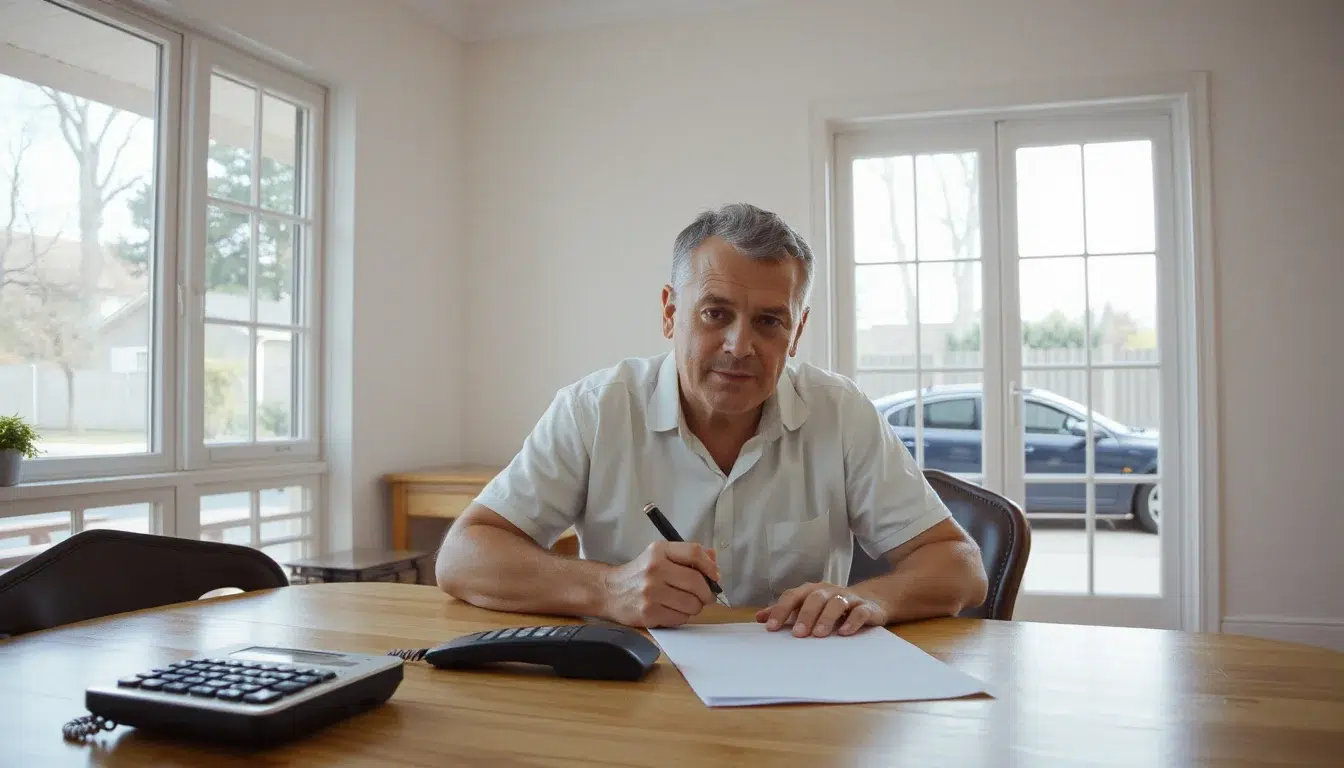
A simple hit-and-run claim often settles in a few weeks, though complicated ones take longer. The sequence is predictable.
| Stage | What happens | What you can do |
|---|---|---|
| Day 0-1 | You report to police and insurer | Get the report and claim numbers |
| Days 1-5 | Adjuster reviews photos, report and estimate | Answer questions quickly; send missing documents |
| Weeks 1-3 | Coverage decision, repair approval and payment minus deductible | Ask which coverage was applied and why |
| Later | Police and insurer may try to identify the driver | Pass on any new information at once |
If the insurer denies the claim, ask for the reason in writing and the policy language it relies on. You can appeal through the insurer first and then your state Department of Insurance.
If the driver is found later
Police sometimes identify a driver from camera footage, a partial plate or a witness. If that happens after you have already been paid, your insurer may try to recover its payment from the driver or their insurer.
If the recovery succeeds, the Insurance Information Institute notes you may also be reimbursed your deductible. The process can take months, so do not delay your repair while you wait.
If the driver is insured and fault is clear, you can also ask their liability insurer to pay directly. That route avoids your deductible but depends on the other insurer accepting responsibility.
Do and don’t after a hit-and-run
Do
- Call 911 if anyone is hurt or the scene is unsafe
- Photograph everything before the car is moved
- File the police report quickly and keep the number
- Ask which coverage the insurer will use and what each deductible is
- Keep medical records if you were hurt
Don’t
- Chase the other driver or confront them
- Wait days to report; some deadlines are 24 to 72 hours
- Repair the car before the insurer inspects it
- Sign a settlement for injuries before you understand your limits
- Assume liability or comprehensive will pay for a crash
Where state and insurer rules differ
Hit-and-run claims depend on state law more than most auto claims. Five details change from place to place.
Uninsured motorist requirements. Some states require uninsured motorist coverage, while others make it optional or let you reject it in writing. Where it is optional, many drivers do not carry it and discover the gap after a loss.
Property damage versus bodily injury. Some states offer uninsured motorist coverage for injuries but not for property damage, or offer it only through collision. Check each line on your declarations page.
Contact rule and report deadline. As described above, about 20 states require physical contact for uninsured motorist property damage, and report windows range from 24 to 72 hours in some states.
Deductibles. Uninsured motorist property damage deductibles are often lower than collision deductibles, and some states waive them. Whether yours does depends on the policy.
How many drivers are uninsured. The Insurance Research Council reported 14.0 percent uninsured drivers nationally in 2022, with the District of Columbia at 25.2 percent, New Mexico at 24.9 percent and Mississippi at 22.2 percent. Wyoming had the lowest at 5.9 percent. Where more drivers are uninsured, uninsured motorist coverage matters more.
Honest limits of this guide
This guide explains how hit-and-run claims generally work. Your own policy and state law control the details, and insurers differ on how they code a hit-and-run claim and whether it counts as not at fault.
The crash counts come from the AAA Foundation’s 2018 report, which used 2015 and 2016 NHTSA data, and the uninsured rates come from Insurance Research Council reports for 2022 and 2023. They are national estimates, not predictions for your area.
The contact rule, report deadlines and typical deductible ranges come from MoneyGeek’s state comparison, which does not date its figures, so confirm them with your insurer or state. The dollar examples use assumed deductibles. We did not test any insurer’s claims process.
When to talk to a professional
Call your insurer’s claims line the same day, and ask a licensed agent if you are unsure whether you carry collision or uninsured motorist coverage. Both are quick to confirm.
Talk to a personal injury attorney if you were seriously hurt, a loved one died, or an insurer disputes the claim. Contact your state Department of Insurance if a clearly covered claim is denied without a written reason.
Disclaimer: this article is general information, not insurance, legal or financial advice. Coverage depends on your policy, your state and your insurer. Confirm details with a licensed professional before relying on them.
Frequently asked questions
Does liability insurance cover a hit-and-run?
No. Liability pays for injuries and property damage you cause to other people, so it does not pay for your own car or injuries after someone hits you. You need collision or uninsured motorist coverage for that. If you carry liability only, your car repair may be your own cost.
Does comprehensive cover a hit-and-run?
Generally no. Comprehensive covers non-collision events such as theft, vandalism, fire and weather. A hit-and-run crash is a collision loss. If the damage was deliberate vandalism to an unattended car, comprehensive may apply instead, so describe exactly what happened when you report it.
Will my rates go up after a hit-and-run claim?
Not necessarily. A hit-and-run is not your fault, and many insurers do not surcharge not-at-fault claims, but practices vary by insurer and state. You may lose a claim-free discount. Ask your insurer before filing how the claim will be coded and whether it affects renewal.
What if I did not see the other car?
You can still file. A hit-and-run claim does not require you to identify the driver. Some states require physical contact or a witness statement for uninsured motorist property damage, so photos, any camera footage and nearby witnesses matter. A collision claim usually does not need the driver identified.
Do I pay a deductible after a hit-and-run?
Usually yes. Collision has its own deductible, and uninsured motorist property damage often has a lower one, or none in some states. If the driver is later found and your insurer recovers its payment, you may receive your deductible back.
How soon must I report a hit-and-run?
As soon as possible. MoneyGeek says most insurers want a police report within 24 hours, and some states set a window of 24 to 72 hours for uninsured motorist property damage. Policies also require prompt notice to the insurer, so report the same day when you can.
Does insurance cover a hit-and-run on a parked car?
Often yes, through collision or uninsured motorist property damage, even though nobody was in the car. The driver left, so the claim is for damage the other driver caused. Report it to police and your insurer promptly, and photograph the damage and the parking spot.
Who pays my medical bills after a hit-and-run?
Several coverages can: uninsured motorist bodily injury, personal injury protection where your state has it, medical payments coverage and your health insurance. The order depends on your state and policy. Seek medical care first, and keep every bill and record for the claims.
What if the hit-and-run driver is caught later?
Your insurer may recover what it paid from the driver or their insurer, and you may get your deductible refunded. If you were injured, the driver’s liability coverage may also pay. Share any new information with police and your adjuster right away, because it can change who pays.
Should I file a police report if the damage is small?
Yes. Many insurers require a report for uninsured motorist claims, and some states set a deadline. A report also creates a record if the damage turns out worse, if the driver is found or if someone is injured later. It takes a few minutes online in many cities.
The bottom line
Car insurance can cover a hit-and-run, but only if you carry the right parts. Collision or uninsured motorist property damage pays for the car, uninsured motorist bodily injury, personal injury protection or medical payments pay for you, and liability and comprehensive do not help with a crash.
Check your declarations page for those lines today. After a hit-and-run, get safe, photograph everything and file the police report within 24 hours, then ask your insurer which coverage it will use and what each deductible costs.
Sources
- Insurance Information Institute: What is covered by a basic auto insurance policy? (accessed Oct 31, 2026)
- AAA Foundation for Traffic Safety: Hit-and-run crashes, prevalence, contributing factors and countermeasures (2018) (accessed Oct 31, 2026)
- Insurance Research Council: 14 percent of U.S. drivers were uninsured in 2022 (news release, Oct 2023) (accessed Oct 31, 2026)
- MoneyGeek: Does car insurance cover hit-and-runs? (accessed Oct 31, 2026)


2 Comments